Farm to Fabric: 2026 Organic Cotton Supply Chain Explained
Anúncios
Farm to Fabric: Understanding the 2026 Organic Cotton Supply Chain for Education
The global textile industry is at a crossroads, facing increasing pressure to adopt more sustainable and ethical practices. As we look towards 2026, the organic cotton supply chain stands out as a beacon of hope and a complex system ripe for innovation and education. This comprehensive guide will explore the intricacies of the organic cotton journey, from the farm where it’s cultivated to the fabric that adorns us, focusing on the critical developments and educational needs projected for the near future.
Anúncios
Understanding the organic cotton supply chain is not merely an academic exercise; it’s a vital step towards fostering a more responsible, transparent, and environmentally friendly textile industry. Consumers are becoming increasingly aware of the environmental and social impacts of their purchasing decisions, driving demand for products that align with their values. This shift necessitates a deeper dive into how organic cotton is produced, processed, and brought to market, with a particular emphasis on the educational frameworks required to support this evolution.
The year 2026 is not far off, and the trends we observe today will undoubtedly shape the landscape of tomorrow. From advancements in agricultural technology to stricter certification standards and enhanced traceability solutions, every segment of the organic cotton supply chain is poised for significant transformation. Our journey begins at the very root of the process: the farm.
Anúncios
The Foundation: Sustainable Farming Practices in 2026
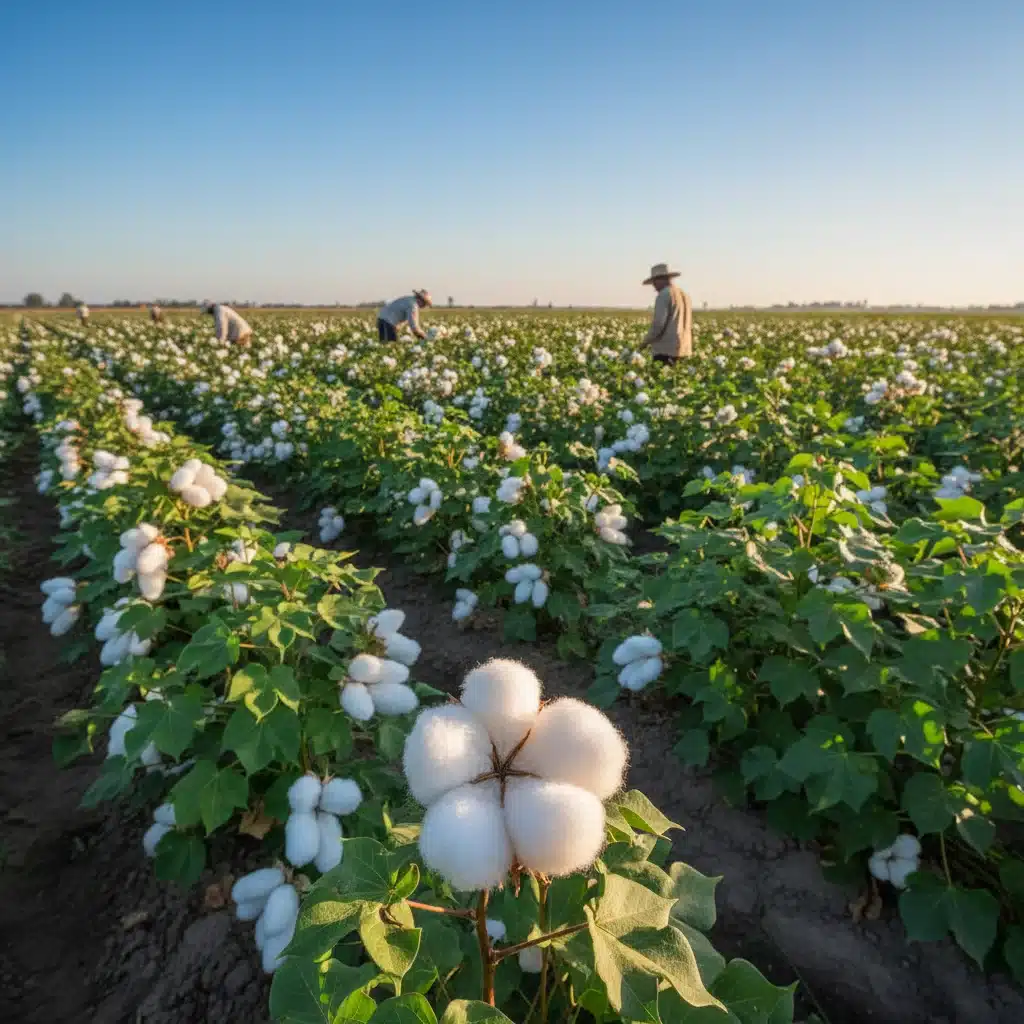
At the heart of the organic cotton supply chain lies sustainable agriculture. Unlike conventional cotton, which relies heavily on synthetic pesticides, fertilizers, and genetically modified organisms (GMOs), organic cotton farming prioritizes ecological balance, biodiversity, and soil health. By 2026, we anticipate a further refinement and broader adoption of these practices, driven by both regulatory pressures and market demand.
Key Principles of Organic Cotton Farming:
- No Synthetic Inputs: Organic cotton cultivation strictly prohibits the use of synthetic pesticides, herbicides, and fertilizers. Farmers instead rely on natural methods such as crop rotation, composting, and beneficial insects to manage pests and enrich the soil. This not only protects the environment but also safeguards the health of farmers and local communities.
- Water Conservation: Water scarcity is a growing global concern. Organic farming often employs water-efficient irrigation techniques, such as drip irrigation, and focuses on improving soil organic matter, which enhances water retention. By 2026, expect to see more widespread implementation of smart irrigation systems and water-efficient crop varieties specifically developed for organic cultivation.
- Biodiversity Protection: Organic farms are designed to support a diverse ecosystem. This includes planting cover crops, creating habitats for beneficial insects and wildlife, and avoiding monoculture. This approach contributes to a healthier environment and makes the farm more resilient to climate change.
- Soil Health Management: Healthy soil is the cornerstone of organic farming. Practices like composting, mulching, and reduced tillage improve soil structure, increase organic matter, and enhance nutrient cycling. These methods sequester carbon, contributing to climate change mitigation.
The education surrounding these farming practices is paramount. Farmers need access to training, resources, and financial incentives to transition to and maintain organic certification. Agricultural extension programs, NGOs, and government initiatives play a crucial role in disseminating knowledge about best practices in organic cotton cultivation. By 2026, digital platforms and AI-driven tools are expected to further empower farmers with real-time data and tailored advice on optimizing their organic yields while minimizing environmental impact.
From Boll to Bale: Ginning and Initial Processing
Once harvested, organic cotton bolls undergo ginning – a process that separates the cotton fibers from the seeds. This stage, while seemingly straightforward, is critical for maintaining the integrity of the organic certification. In 2026, the focus will intensify on ensuring that ginning facilities adhere to strict organic standards, preventing contamination with conventional cotton fibers.
Challenges and Innovations in Ginning:
- Segregation: Organic cotton must be ginned separately from conventional cotton to avoid cross-contamination. This requires dedicated machinery or thorough cleaning protocols between batches.
- Traceability: Maintaining a clear audit trail from the farm through ginning is essential for certification. Digital tracking systems, using technologies like blockchain, are becoming increasingly vital for ensuring transparency and authenticity.
- Energy Efficiency: Ginning can be an energy-intensive process. As sustainability goals become more ambitious, facilities are investing in renewable energy sources and more efficient machinery to reduce their carbon footprint.
Education for gin operators and facility managers will focus on best practices for organic integrity, energy efficiency, and waste reduction. The goal is to ensure that the initial processing stages uphold the environmental and ethical principles established at the farm level, thereby strengthening the overall organic cotton supply chain.
Spinning and Weaving: Transforming Fiber into Fabric
After ginning, the organic cotton fibers are spun into yarn and then woven or knitted into fabric. This stage introduces further complexities and opportunities for sustainable innovation. By 2026, textile mills are expected to adopt even more stringent environmental and social standards.
Sustainable Practices in Textile Mills:
- Eco-Friendly Dyes and Finishes: The textile industry is notorious for its water pollution due to conventional dyeing processes. Organic textile production mandates the use of low-impact, GOTS-approved dyes and finishes, significantly reducing chemical runoff and water consumption.
- Water Recycling: Advanced water treatment and recycling systems are becoming standard in leading organic textile mills. These technologies can recover and reuse up to 90% of process water, drastically cutting down on freshwater intake.
- Energy Efficiency and Renewables: Mills are investing in energy-efficient machinery and transitioning to renewable energy sources, such as solar and wind power, to power their operations.
- Fair Labor Practices: Ethical manufacturing is a cornerstone of the organic cotton movement. This includes fair wages, safe working conditions, and no forced or child labor. Certifications like GOTS (Global Organic Textile Standard) encompass strict social criteria alongside environmental ones.
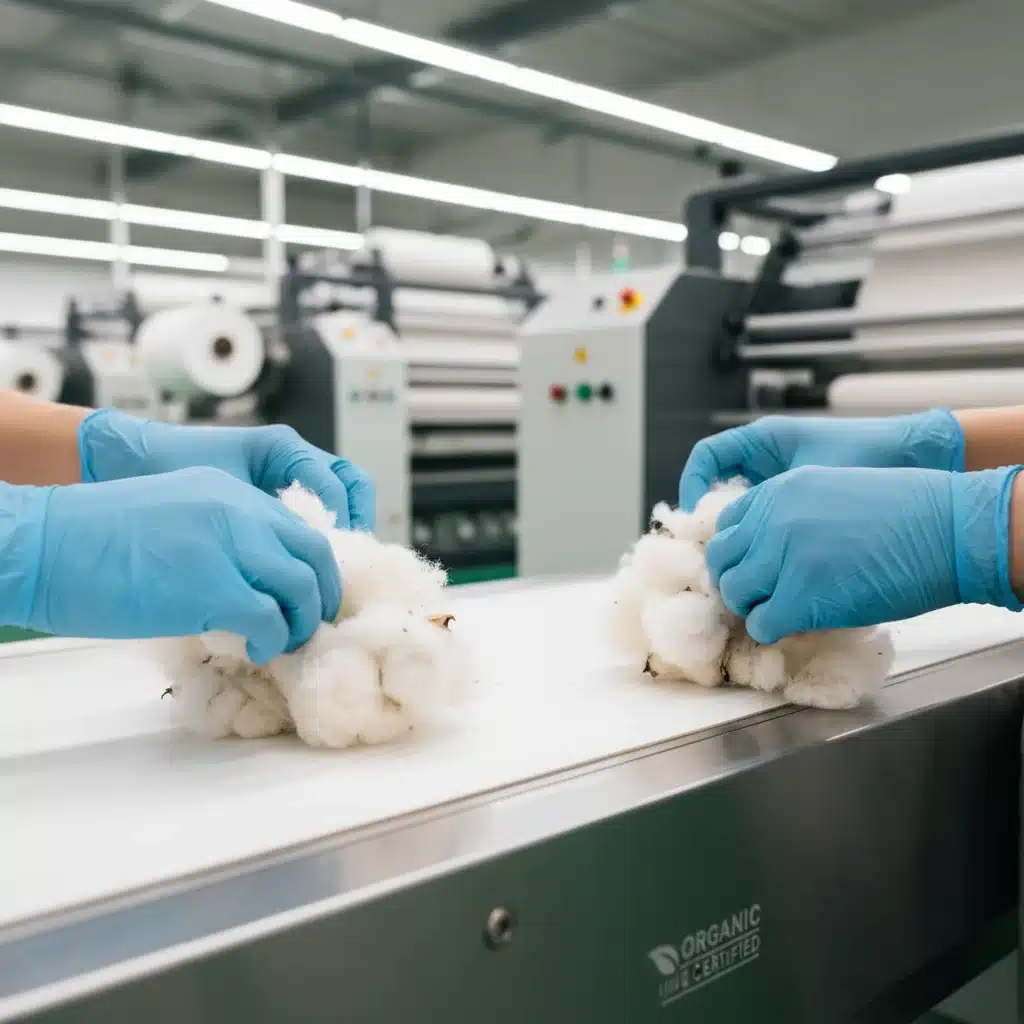
Education at this stage is crucial for textile engineers, factory workers, and management. Training programs need to cover sustainable dyeing techniques, waste management, energy conservation, and upholding international labor standards. The integration of digital tools for process optimization and real-time monitoring of environmental parameters will also be a key educational focus for 2026.
Garment Manufacturing: Crafting the Final Product
The final stage before distribution is garment manufacturing, where fabric is cut, sewn, and finished into apparel. This segment of the organic cotton supply chain is often the most labor-intensive and has historically been associated with significant social and environmental challenges.
Ethical and Sustainable Manufacturing Trends for 2026:
- Lean Manufacturing: Reducing waste and increasing efficiency in production processes.
- Modular Production: Flexible manufacturing lines that can adapt to smaller, more diverse orders, reducing overproduction.
- Worker Empowerment: Beyond fair wages, this includes providing training, opportunities for advancement, and a voice in workplace decisions.
- Zero-Waste Initiatives: Exploring ways to utilize fabric scraps, such as recycling them into new fibers or upcycling them into other products.
- Digital Prototyping: Reducing the need for physical samples, thereby saving materials and reducing emissions from shipping.
Education for garment workers and factory managers will focus on advanced sewing techniques, quality control in organic apparel, health and safety regulations, and the importance of ethical conduct. Training in digital design and prototyping tools will also be increasingly relevant to streamline production and minimize waste.
Logistics and Distribution: From Factory to Consumer
The journey of organic cotton doesn’t end at the factory door. Efficient and sustainable logistics are vital to minimize the environmental footprint of transportation. By 2026, advancements in supply chain management and a greater emphasis on localized production will reshape this segment.
Sustainable Logistics Practices:
- Optimized Shipping Routes: Utilizing data analytics to plan the most efficient and least carbon-intensive shipping routes.
- Eco-Friendly Transportation: Increased use of sea and rail freight over air freight, and exploring electric or hydrogen-powered vehicles for last-mile delivery.
- Transparent Tracking: Consumers and brands alike want to know the journey of their products. Advanced tracking systems provide real-time information about a product’s location and its environmental footprint.
- Localized Production: A growing trend towards producing garments closer to consumer markets to reduce shipping distances and support local economies.
Education for logistics professionals will center on sustainable supply chain management, carbon footprint calculation, and the implementation of advanced tracking technologies. Understanding international trade regulations for organic products will also be critical.
Retail and Consumer Engagement: Completing the Circle
The final link in the organic cotton supply chain is the consumer. Informed choices at the retail level drive demand for organic products and incentivize the entire industry to adopt more sustainable practices. By 2026, consumer education and transparent marketing will be more crucial than ever.
Key Aspects of Retail and Consumer Engagement:
- Clear Labeling and Certification: Ensuring that products are clearly labeled with organic certifications (e.g., GOTS, OCS) helps consumers make informed decisions.
- Storytelling and Transparency: Brands that share the story behind their organic cotton products – from the farm to the factory – build trust and loyalty. Blockchain technology is emerging as a powerful tool for providing immutable traceability data to consumers.
- Education at Point of Sale: Retail staff trained to educate customers about the benefits of organic cotton and the brand’s sustainability initiatives.
- Circular Economy Models: Encouraging consumers to repair, reuse, and recycle organic cotton garments to extend their lifespan and reduce waste. This includes take-back programs and partnerships with textile recycling initiatives.

Consumer education is a multifaceted endeavor, involving social media campaigns, in-store educational materials, and collaborations with influencers and advocacy groups. The goal is to empower consumers to understand the true value of organic cotton and its positive impact on the planet and people.
The Role of Certification and Standards in 2026
Certification bodies play a pivotal role in maintaining the integrity of the organic cotton supply chain. Standards like the Global Organic Textile Standard (GOTS) and the Organic Content Standard (OCS) provide independent verification that products meet strict environmental and social criteria at every stage.
Evolution of Certification in 2026:
- Enhanced Traceability Requirements: Certifications will likely incorporate more robust digital traceability mechanisms, making it harder for fraudulent products to enter the market.
- Stricter Chemical Restrictions: Ongoing research into safer alternatives will lead to even more stringent restrictions on approved chemicals in processing.
- Increased Social Compliance Audits: A greater emphasis on worker well-being and fair labor practices, with more frequent and thorough social audits.
- Climate Impact Assessment: Certifications may begin to integrate metrics for carbon footprint reduction and water usage efficiency more explicitly.
Education for auditors, brand managers, and suppliers on the evolving standards and compliance requirements will be essential. This ensures that the benchmarks for organic integrity remain high and continue to adapt to new scientific insights and industry best practices.
Technological Advancements Shaping the Supply Chain
Technology is a powerful enabler for a more transparent and efficient organic cotton supply chain. By 2026, we can expect to see widespread adoption of several key innovations.
Impactful Technologies:
- Blockchain: Provides an immutable and transparent record of a product’s journey, from farm to consumer. This enhances traceability, prevents fraud, and builds consumer trust.
- IoT (Internet of Things) Sensors: Used in farming for precision agriculture (e.g., monitoring soil moisture, pest detection) and in factories for real-time monitoring of energy and water consumption.
- AI and Machine Learning: Optimizing supply chain logistics, predicting demand, and identifying potential risks. Also used in quality control during processing.
- Genomic Sequencing: While organic cotton prohibits GMOs, genomic research can help develop naturally pest-resistant and drought-tolerant cotton varieties, further enhancing sustainability.
- Material Science Innovations: Developing new methods for textile recycling and closed-loop systems, reducing reliance on virgin materials.
The integration of these technologies requires a skilled workforce. Educational institutions, industry associations, and companies themselves must invest in training programs that equip individuals with the digital literacy and technical skills needed to leverage these advancements effectively.
Challenges and Opportunities for 2026
While the future of the organic cotton supply chain looks promising, several challenges remain. Addressing these will be critical for sustained growth and impact.
Challenges:
- Scaling Production: Meeting the growing demand for organic cotton without compromising quality or environmental standards.
- Price Competitiveness: Organic cotton often comes at a higher price point due to more labor-intensive farming and processing. Educating consumers on the ‘true cost’ and value proposition is key.
- Fraud and Greenwashing: The risk of conventional cotton being mislabeled as organic. Robust certification and traceability systems are the antidote.
- Climate Change Impacts: Organic farms, while more resilient, are still vulnerable to extreme weather events. Developing climate-adaptive strategies is crucial.
- Infrastructure Development: Many regions lack the necessary infrastructure for organic processing (e.g., dedicated ginning facilities, organic-certified mills).
Opportunities:
- Increased Consumer Awareness: A more informed consumer base drives demand and provides leverage for brands committed to sustainability.
- Government Support and Policies: Policies that incentivize organic farming and sustainable manufacturing can accelerate transition.
- Technological Integration: As discussed, technology offers powerful solutions for transparency, efficiency, and sustainability.
- Collaboration Across the Supply Chain: Greater collaboration between farmers, manufacturers, brands, and retailers can create more resilient and ethical supply chains.
- Innovation in Circularity: Developing robust systems for textile recycling and reuse can create a truly closed-loop system for organic cotton.
Education is the golden thread that weaves through all these challenges and opportunities. From educating farmers on best practices to informing consumers about the impact of their purchases, a well-informed ecosystem is essential for the flourishing of the organic cotton supply chain in 2026 and beyond.
Conclusion: A Sustainable Future Woven with Education
The 2026 organic cotton supply chain represents a complex yet hopeful vision for the future of textiles. It’s a journey that begins with sustainable farming, passes through ethical manufacturing, and culminates in conscious consumer choices. Each stage is interconnected, and the success of the entire system hinges on transparency, integrity, and continuous improvement.
Crucially, education serves as the bedrock for this sustainable transformation. It empowers farmers with knowledge of ecological agriculture, equips factory workers with skills for ethical production, informs brands about responsible sourcing, and enlightens consumers about the power of their purchasing decisions. As we move closer to 2026, investing in comprehensive educational programs across the entire organic cotton supply chain will not only mitigate environmental harm and social injustice but also cultivate a thriving industry that truly embodies the principles of sustainability.
By understanding and actively participating in the evolution of the organic cotton supply chain, we can collectively contribute to a world where fashion is not only beautiful but also kind – to the planet, to its people, and to future generations. The fabric of our future is being woven today, and organic cotton, nurtured by education and innovation, is a vital thread within it.