Unlocking Bio-Based Materials: An Essential 2026 Educational Module for Fashion Designers
The fashion industry stands at a pivotal crossroads. For decades, its environmental footprint has been a growing concern, prompting a global shift towards more sustainable practices. At the heart of this transformation lies the burgeoning field of bio-based materials. By 2026, understanding and integrating these innovative textiles will not just be an advantage but an absolute necessity for every aspiring and established fashion designer. This comprehensive guide explores why bio-based materials are becoming an essential educational module and how they are poised to redefine the future of fashion.
Anúncios
The Urgency of Sustainability in Fashion
The traditional fashion supply chain is notoriously resource-intensive, from water-guzzling cotton cultivation to synthetic fiber production that relies heavily on fossil fuels. The dyeing processes often involve toxic chemicals, and the sheer volume of textile waste generated annually is staggering. Consumers, increasingly aware of these issues, are demanding more ethical and eco-friendly options. Brands, in turn, are responding by investing in research and development of sustainable alternatives. This collective pressure has propelled bio-based materials to the forefront of the sustainability agenda.
For fashion designers, this means a fundamental shift in their approach to creation. No longer is it enough to focus solely on aesthetics, functionality, and cost. The environmental and social impact of material choices must now be an integral part of the design process. Educational institutions are recognizing this paradigm shift, and by 2026, modules dedicated to bio-based materials will be non-negotiable for producing future-ready designers.
What Exactly Are Bio-Based Materials?
Bio-based materials are derived wholly or in part from biomass, which includes plants, animals, microorganisms, and agricultural waste. Unlike conventional synthetic materials that originate from petroleum, bio-based alternatives offer a renewable resource base, often with significantly reduced environmental impact. This broad category encompasses a fascinating array of innovations, each with unique properties and applications in fashion.
Anúncios
Classifications of Bio-Based Materials:
- Plant-Based Fibers: These are perhaps the most recognizable, including organic cotton, linen, hemp, and jute. However, innovation extends to novel plant fibers like bamboo, nettle, and even fibers extracted from pineapple leaves (Piñatex) and banana stems.
- Biopolymers: These are polymers produced by living organisms or derived from biological sources. Examples include polylactic acid (PLA) derived from corn starch or sugarcane, and polyhydroxyalkanoates (PHAs) produced by bacteria. These can be used to create fibers that mimic synthetics like polyester but are biodegradable or compostable under specific conditions.
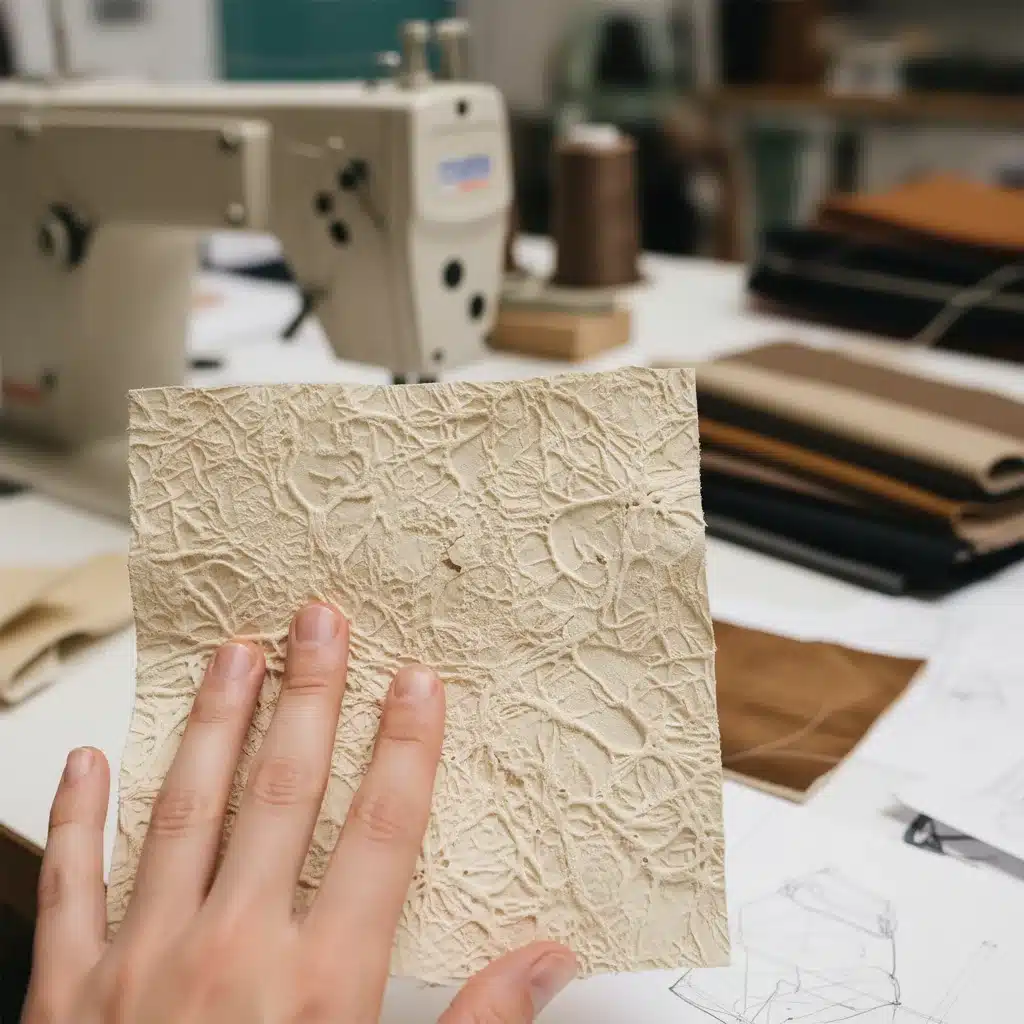
- Mycelium-Based Materials: Derived from the root structure of fungi, mycelium can be grown into leather-like materials (e.g., Mylo) or rigid composites. These offer a cruelty-free, biodegradable alternative to traditional leather.
- Algae-Based Materials: Algae can be used to produce dyes, pigments, and even flexible films and foams, offering sustainable alternatives to petroleum-based chemicals and plastics.
- Agricultural Waste Derivatives: Utilizing waste products from agriculture, such as citrus peels, coffee grounds, or grape skins, to create new fibers and materials. This circular approach minimizes waste and creates value from otherwise discarded resources.
The diversity within bio-based materials means designers have an expanding palette to work with, allowing for creativity without compromising on sustainability. Understanding these classifications and their specific properties is a foundational element of any bio-based materials module.
Why 2026? The Tipping Point for Bio-Based Fashion Materials
The year 2026 is often cited as a critical juncture for sustainable fashion, and specifically for the mainstream adoption of bio-based materials. Several factors contribute to this timeline:
Technological Advancements and Scalability:
While many bio-based innovations have been in labs for years, the technology to produce them at scale and cost-effectively is rapidly maturing. Investments in biotech and material science are yielding breakthroughs that make these materials more accessible and competitive with traditional textiles. By 2026, many of these technologies are expected to reach commercial viability for larger-scale production.
Regulatory Pressure and Policy Changes:
Governments worldwide are implementing stricter environmental regulations, particularly concerning waste, chemical use, and carbon emissions. The European Union, for example, is pushing for extended producer responsibility and greater transparency in supply chains. These policies will increasingly incentivize brands to adopt bio-based and circular materials, making knowledge of these materials a regulatory necessity for designers.
Consumer Demand and Market Trends:
Gen Z and millennial consumers, in particular, are highly environmentally conscious and willing to pay a premium for sustainable products. This demographic shift is driving brands to prioritize sustainability, not just as a marketing ploy but as a core business strategy. Designers who can effectively work with bio-based materials will be highly sought after in a market increasingly shaped by these consumer values.
Investment and Industry Collaboration:
Major fashion houses and sportswear giants are investing heavily in startups and research focused on bio-based materials. Collaborative initiatives between brands, material scientists, and academic institutions are accelerating the development and adoption of these innovations. This ecosystem of support points to a significant uptake of bio-based solutions in the coming years, making expertise in this area indispensable by 2026.
Key Learning Outcomes for a 2026 Bio-Based Materials Module
An effective educational module on bio-based materials for fashion designers in 2026 would need to cover a broad spectrum of knowledge and practical skills. Here’s what students should expect to learn:
1. Material Science Fundamentals:
- Understanding the chemical composition and structure of various bio-based fibers and polymers.
- Learning about the cultivation, harvesting, and processing methods for plant, fungal, and algae-based materials.
- Comparative analysis of bio-based materials versus traditional materials in terms of strength, drape, breathability, and durability.
2. Life Cycle Assessment (LCA) and Environmental Impact:
- Conducting basic LCAs to evaluate the environmental footprint of different materials, from raw material extraction to end-of-life.
- Understanding concepts like biodegradability, compostability, and circularity in the context of bio-based materials.
- Assessing the water, energy, and land use associated with various bio-based alternatives.
3. Innovative Bio-Based Textile Technologies:
- Deep dive into emerging materials like mycelium leather, lab-grown silks, bacterial cellulose, and algae-derived dyes.
- Exploring additive manufacturing (3D printing) with bio-based polymers for fashion applications.
- Understanding smart textiles incorporating bio-based components.
4. Design Principles for Bio-Based Materials:
- Developing design strategies that maximize the inherent properties and minimize the limitations of bio-based materials.
- Exploring modular design, design for disassembly, and repair to enhance the longevity and circularity of garments made from these materials.
- Understanding the aesthetic potential and tactile qualities of diverse bio-based fabrics.
5. Supply Chain and Sourcing Ethics:
- Navigating the complexities of sourcing certified and ethically produced bio-based materials.
- Understanding certifications (e.g., GOTS, Oeko-Tex, Cradle to Cradle) relevant to sustainable and bio-based textiles.
- Identifying and collaborating with innovative suppliers and manufacturers in the bio-based sector.
6. Business and Marketing of Sustainable Fashion:
- Communicating the value proposition of bio-based products to consumers effectively.
- Understanding the market dynamics, consumer psychology, and branding strategies for sustainable fashion.
- Exploring business models that support circularity and bio-based innovation.
Practical Applications and Case Studies
Theoretical knowledge of bio-based materials is only half the battle; practical application is where true innovation happens. A robust educational module would incorporate numerous case studies and hands-on projects:
- Mycelium Leather: Explore brands like MycoWorks and Bolt Threads (Mylo) that are creating high-performance, aesthetically pleasing alternatives to animal leather for accessories, footwear, and apparel. Designers would learn about its cultivation, processing, and how to integrate it into luxury and mainstream collections.
- Piñatex: Derived from pineapple leaf fibers, this material offers a durable, water-resistant alternative to leather. Designers could work on creating bags, shoes, or jacket details, understanding its cutting, stitching, and finishing properties.
- Algae-Based Dyes and Inks: Investigate how companies are extracting pigments from algae to replace synthetic dyes, reducing water pollution and chemical use. Students could experiment with dyeing techniques using these natural alternatives.
- Orange Fiber: A material made from the cellulose of citrus fruit by-products, offering a silky, soft fabric ideal for luxury apparel. Designers could explore its drape and feel in creating sophisticated garments.
- Spider Silk Alternatives: Companies like AMSilk are bioengineering yeast to produce proteins that mimic spider silk, known for its incredible strength-to-weight ratio. While still largely in development for mass fashion, understanding these biotechnological advancements is crucial for future designers.
- Recycled Cotton and Hemp Blends: While not strictly ‘bio-based’ in the sense of novel organisms, understanding how to effectively blend and utilize recycled natural fibers with new bio-based ones creates truly circular and sustainable textiles.
These practical examples allow designers to move beyond abstract concepts and grapple with the real-world challenges and opportunities presented by bio-based materials. They learn to consider the entire product lifecycle from ideation to disposal, fostering a holistic and responsible design mindset.
Challenges and Opportunities in Bio-Based Materials
While the future of bio-based fashion materials is bright, it’s not without its hurdles. Designers must be aware of these challenges to navigate the landscape effectively:
Challenges:
- Cost: Many novel bio-based materials are currently more expensive than their traditional counterparts due to smaller production scales and ongoing R&D.
- Performance: Ensuring bio-based materials meet the desired performance standards (durability, stretch, water resistance) for various garment types can be complex.
- Scalability: Ramping up production to meet global fashion demand while maintaining quality and sustainability credentials is a significant challenge.
- End-of-Life Infrastructure: For biodegradable or compostable bio-based materials, adequate industrial composting or recycling infrastructure is often lacking.
- Greenwashing: The risk of brands misrepresenting the sustainability credentials of their bio-based products, making it difficult for consumers and designers to discern truly eco-friendly options.
Opportunities:
- Innovation and Differentiation: Bio-based materials offer unique aesthetic and functional properties, allowing designers to create truly novel and distinctive products.
- Reduced Environmental Impact: Significantly lower carbon footprint, water usage, and chemical pollution compared to conventional materials.
- New Revenue Streams: For agricultural industries, bio-based materials offer new markets for waste products.
- Consumer Loyalty: Brands committed to bio-based and sustainable practices build stronger trust and loyalty with environmentally conscious consumers.
- Career Advancement: Designers with expertise in bio-based materials will be highly valuable assets to companies striving for sustainability.
A comprehensive educational module would equip designers with the critical thinking skills to evaluate these challenges and leverage the opportunities, fostering a generation of problem-solvers and innovators.
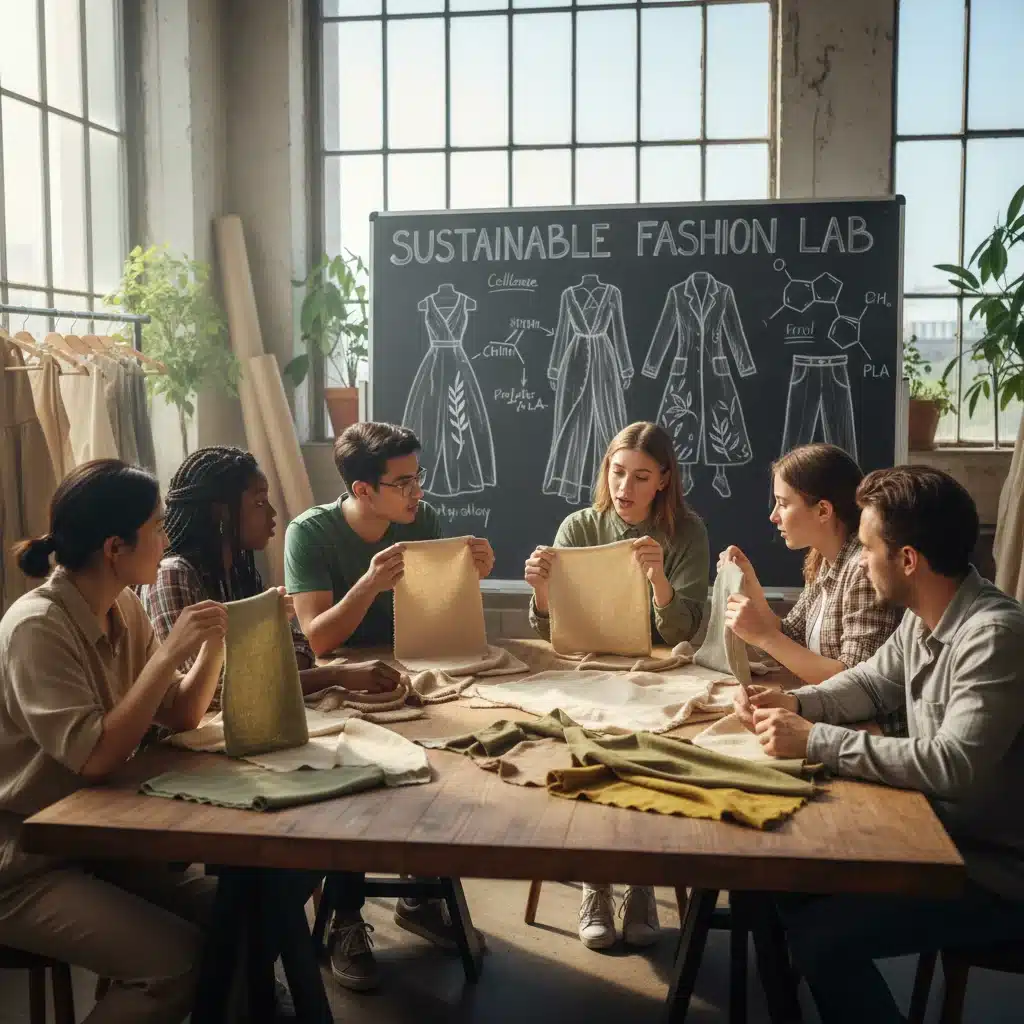
The Future of Fashion Education: Beyond 2026
The integration of bio-based materials into fashion curricula by 2026 is just the beginning. As technology advances and sustainability becomes even more ingrained in societal values, fashion education will continue to evolve. Future modules might delve deeper into:
- Biomimicry in Design: Learning to draw inspiration from nature’s designs and processes to create innovative and sustainable textiles and garment structures.
- Digital Material Libraries: Utilizing advanced digital tools to simulate the properties of bio-based materials and integrate them into 3D design workflows, reducing physical prototyping.
- Personalized Bio-Fabrication: Exploring the potential of localized, on-demand production of bio-based textiles using technologies like microbial fermentation or cellular agriculture.
- Circular Economy Design: Focusing on designing entire systems, not just products, to ensure materials are continuously cycled and waste is eliminated.
- Ethics and Social Justice in Material Sourcing: A deeper dive into fair trade, labor practices, and community impact within the bio-based material supply chain.
The goal is to cultivate designers who are not just skilled artisans but also responsible innovators, capable of leading the industry towards a regenerative and equitable future. The foundation laid by the 2026 bio-based materials module will be crucial in preparing them for this ongoing evolution.
Conclusion: Embracing the Bio-Revolution in Fashion
The shift towards bio-based materials represents one of the most significant revolutions in the history of fashion. For designers entering the industry by 2026, a deep understanding of these innovative textiles will be as fundamental as mastering pattern cutting or draping. It’s about moving beyond simply designing clothes to designing a better future.
Educational institutions have a vital role to play in preparing this new generation of designers. By implementing comprehensive modules on bio-based materials, they will empower students with the knowledge, skills, and ethical framework needed to create beautiful, functional, and truly sustainable fashion. The future of fashion is green, it’s innovative, and it’s built on the incredible potential of bio-based materials. Embracing this bio-revolution is not just an option; it’s an imperative for a thriving and responsible industry.