Sustainable Fashion Education: U.S. Innovations 2026
Anúncios
The fashion industry, long criticized for its environmental and social impact, is undergoing a profound transformation. At the heart of this shift is the urgent need for a more sustainable future, and nowhere is this more evident than in the realm of education. As we look towards 2026, sustainable fashion education in the U.S. is not just evolving; it’s revolutionizing. Driven by consumer demand, regulatory pressures, and a growing awareness of ecological footprints, academic institutions are reimagining their curricula to equip the next generation of designers, merchandisers, and innovators with the knowledge and tools to lead this change. This comprehensive exploration delves into the exciting innovations, challenges, and opportunities shaping U.S. sustainable fashion education programs by 2026.
Anúncios
The Imperative for Sustainable Fashion Education
For decades, the fashion industry operated on a linear model: produce, consume, dispose. This model has led to devastating consequences, including massive textile waste, water pollution, excessive carbon emissions, and exploitative labor practices. The statistics are stark: fashion production accounts for 10% of global carbon emissions, more than international flights and maritime shipping combined. Furthermore, 85% of all textiles go to the landfill each year, equivalent to one garbage truck full of clothes being burned or landfilled every second. These figures underscore the critical need for a paradigm shift, and education is the bedrock upon which this new foundation is being built.
By 2026, the focus on sustainable fashion education will be less about niche elective courses and more about deeply integrated, foundational principles. Universities and design schools are recognizing that sustainability is not just a trend but a core competency essential for any professional entering the fashion world. This means moving beyond theoretical discussions to practical applications, fostering a holistic understanding of the entire fashion supply chain, from fiber to consumer and beyond, to end-of-life solutions.
Anúncios
Redefining the Curriculum: Core Pillars of Sustainable Fashion Education
The curriculum of 2026 will be characterized by several key pillars designed to instill a deep understanding of sustainable practices. These pillars are not isolated but interconnected, reflecting the complex nature of the fashion ecosystem.
1. Circular Design Principles
Perhaps the most significant shift in sustainable fashion education is the pervasive integration of circular design. Moving away from the linear ‘take-make-dispose’ model, circular design emphasizes designing products for longevity, durability, repairability, and ultimately, recyclability or biodegradability. Students are learning to consider the entire lifecycle of a garment from its inception. This includes:
- Material Selection: Prioritizing renewable, recycled, organic, and biodegradable materials. Understanding the environmental impact of various fibers, dyes, and finishes.
- Design for Disassembly: Creating garments that can be easily taken apart at the end of their life to recover valuable components or materials.
- Zero-Waste Pattern Cutting: Techniques that minimize fabric waste during the cutting process.
- Modular Design: Designing components that can be replaced or updated, extending the life of a product.
- Upcycling and Reconstruction: Transforming existing garments or materials into new products, adding value and reducing waste.
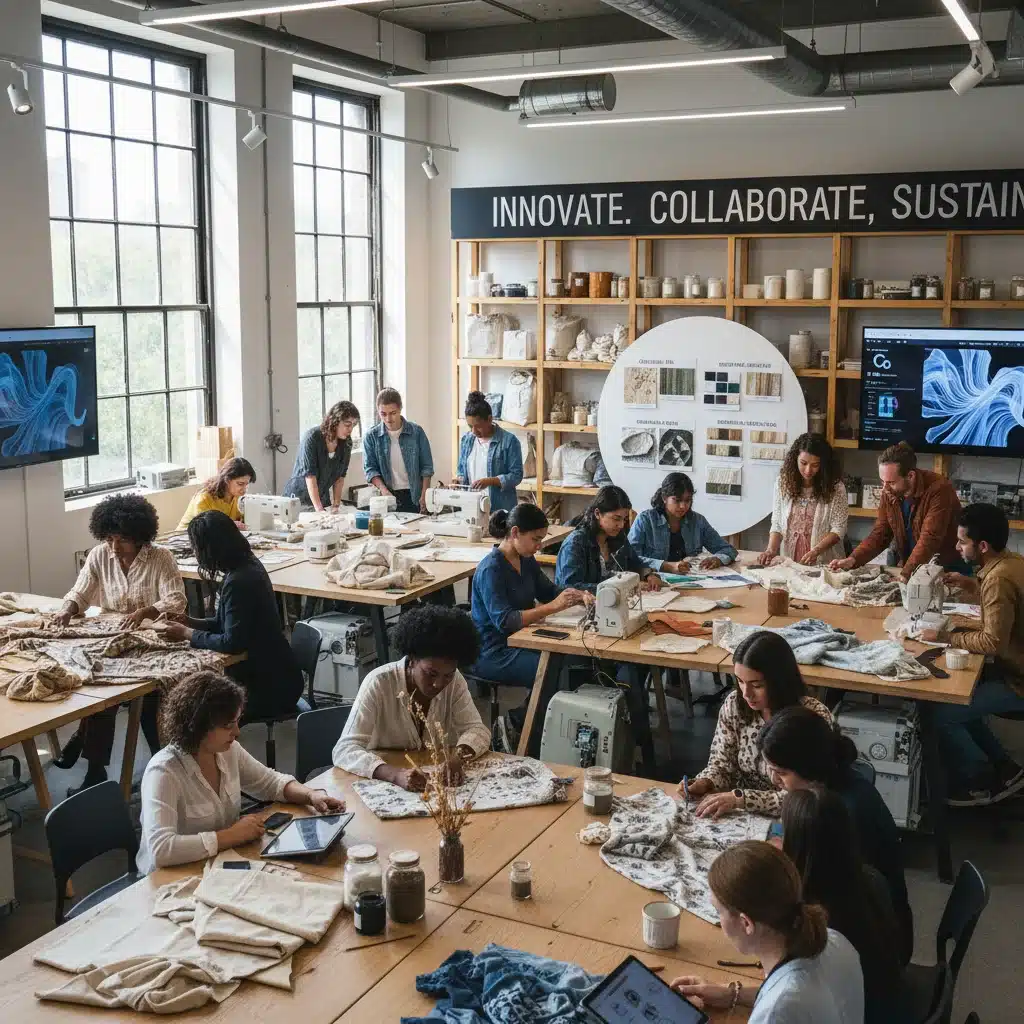
Educational institutions are establishing dedicated labs and workshops focused on material innovation and circularity, providing students with hands-on experience in developing sustainable textiles and design solutions. This practical approach is crucial for embedding these principles deeply into their design thinking.
2. Ethical Sourcing and Supply Chain Transparency
The human cost of fashion cannot be ignored. Sustainable fashion education in 2026 places a strong emphasis on ethical sourcing, fair labor practices, and supply chain transparency. Students are taught to critically analyze global supply chains, understanding the social and environmental implications of their choices.
- Fair Labor Practices: Education on living wages, safe working conditions, and the prevention of child labor and forced labor across the supply chain.
- Supplier Auditing and Certification: Understanding the role of certifications (e.g., Fair Trade, GOTS) and how to conduct due diligence on suppliers.
- Traceability Technologies: Utilizing blockchain and other digital tools to track materials from farm to finished product, ensuring transparency and accountability.
- Cultural Appreciation vs. Appropriation: Fostering an understanding of cultural sensitivity and responsible design that respects indigenous knowledge and traditions.
Case studies of successful ethical brands and failures of unsustainable practices are becoming integral to the curriculum, providing real-world context for these complex issues. Guest lecturers from NGOs, ethical fashion brands, and supply chain experts are also enriching the learning experience.
3. Textile Science and Innovation
The future of fashion is inextricably linked to material science. By 2026, sustainable fashion education programs are heavily investing in textile innovation. This involves exploring and developing new materials that are less resource-intensive, biodegradable, or derived from waste streams.
- Bio-based Materials: Research into textiles made from algae, mushrooms (mycelium), fruit waste (e.g., pineapple, orange), and bacterial cellulose.
- Recycled and Upcycled Fibers: Advanced techniques for recycling post-consumer and post-industrial textile waste into new fibers, including chemical recycling processes.
- Smart Textiles: Integrating technology into fabrics for enhanced functionality, durability, and even self-cleaning properties, reducing the need for frequent washing.
- Non-toxic Dyes and Finishes: Exploring natural dyes, pigment printing, and other environmentally friendly coloration methods that minimize water and chemical use.
Collaborations between fashion departments and science/engineering departments are becoming more common, fostering interdisciplinary research and development in sustainable textiles.

4. Digital Transformation and Technology Integration
Technology is a powerful enabler of sustainability. Sustainable fashion education is embracing digital tools to streamline processes, reduce waste, and enhance design capabilities.
- 3D Design and Virtual Prototyping: Utilizing software like CLO3D and Browzwear to create virtual garments, significantly reducing the need for physical samples, which saves materials, time, and shipping emissions.
- AI and Machine Learning: Applying AI for demand forecasting to minimize overproduction, optimizing supply chain logistics, and even for designing new sustainable materials.
- Blockchain for Traceability: As mentioned earlier, blockchain is becoming a key tool for ensuring transparency and authenticity in supply chains.
- Data Analytics: Teaching students to analyze data related to environmental impact, consumer behavior, and market trends to make informed, sustainable decisions.
These digital competencies are not just about efficiency; they are fundamental to building a more transparent, responsive, and ultimately, sustainable fashion industry. Students are graduating with a dual skill set: creative design acumen combined with advanced technological proficiency.
Experiential Learning and Industry Partnerships
Beyond classroom instruction, sustainable fashion education in 2026 is heavily reliant on experiential learning and robust industry partnerships. Internships, capstone projects, and real-world collaborations provide students with invaluable practical experience and networking opportunities.
- Industry Collaborations: Universities are partnering with leading sustainable brands, textile manufacturers, and technology companies to offer students hands-on projects addressing real industry challenges.
- Sustainability Audits and Consulting: Students participate in projects where they audit existing fashion businesses for their sustainability practices and propose improvements.
- Incubators and Accelerators: Programs designed to nurture student-led sustainable fashion startups, providing mentorship, resources, and funding.
- Field Trips and Global Immersion: Visits to sustainable factories, material innovation hubs, and ethical sourcing regions provide a global perspective on responsible production.
These partnerships are mutually beneficial, offering industry partners fresh perspectives and access to emerging talent, while providing students with a direct pathway into sustainable roles within the fashion sector.
Leading U.S. Institutions and Their Innovations
Several U.S. institutions are at the forefront of this educational revolution, continually innovating their sustainable fashion education offerings. By 2026, many more will have adopted these pioneering approaches.
- Fashion Institute of Technology (FIT), New York: FIT has long been a leader in fashion education and is making significant strides in sustainability. Their ‘Sustainable Design’ minor and master’s program, coupled with initiatives like the ‘Future of Fashion’ showcase often featuring sustainable collections, are preparing students for the evolving industry. They are also focusing on material research and circularity labs.
- Parsons School of Design, New York: Parsons integrates sustainability across its curriculum, with dedicated programs like the ‘MFA Fashion Design and Society’ which often features projects focused on social and environmental responsibility. Their ‘Healthy Materials Lab’ is a prime example of interdisciplinary research into non-toxic and regenerative materials.
- Savannah College of Art and Design (SCAD), Georgia: SCAD offers courses and specializations in sustainable design, emphasizing ethical production and innovative material use. They often host industry conferences and workshops focused on the future of sustainable fashion.
- California College of the Arts (CCA), San Francisco: CCA’s ‘Fashion Design’ program has a strong emphasis on sustainability, encouraging students to explore ethical sourcing, zero-waste design, and upcycling. Their location on the West Coast often aligns them with innovative tech and sustainability movements.
- Kent State University, Ohio: Kent State’s ‘Fashion School’ is known for its comprehensive approach, including a focus on textile science and responsible manufacturing. They are increasingly integrating digital design tools and sustainable supply chain management into their curriculum.
These institutions are not just teaching sustainability; they are embedding it into the very fabric of their educational philosophy, fostering a generation of designers who see environmental and social responsibility as intrinsic to creative expression.
Challenges and Opportunities in Sustainable Fashion Education
While the momentum for sustainable fashion education is strong, challenges remain. One significant hurdle is the cost of sustainable materials and technologies, which can be higher than conventional alternatives. This can impact school budgets for labs and student project costs. Another challenge is the rapid pace of innovation in sustainable textiles and production methods, requiring curricula to be constantly updated to remain relevant.
However, these challenges also present opportunities. The demand for sustainable fashion professionals is growing exponentially, creating a robust job market for graduates with specialized skills. Furthermore, the interdisciplinary nature of sustainable fashion encourages collaboration across various academic fields, leading to richer educational experiences and groundbreaking research.
The opportunity also lies in influencing the broader industry. As more graduates enter the workforce equipped with sustainable knowledge and practices, they will act as change agents from within, driving companies towards more responsible operations. This ‘trickle-up’ effect from education to industry is crucial for systemic change.

The Role of Research and Development
Beyond teaching, universities play a critical role in advancing sustainable fashion education through research and development. By 2026, we can expect to see increased funding and focus on academic research into areas such as:
- New Material Development: Creating novel fibers from agricultural waste, exploring biodegradable polymers, and enhancing textile recycling technologies.
- Life Cycle Assessment (LCA): Developing more accurate and comprehensive methods for assessing the environmental impact of fashion products throughout their entire lifecycle.
- Behavioral Economics of Sustainability: Understanding consumer behavior regarding sustainable fashion and how to encourage more responsible purchasing and disposal habits.
- Policy and Regulation Analysis: Researching effective policies that can drive sustainable practices within the fashion industry, both domestically and internationally.
- Social Impact Measurement: Developing metrics to assess the social well-being of workers in the supply chain and the broader community impact of fashion production.
These research initiatives not only contribute to the global knowledge base but also directly inform and enrich the educational content, ensuring that students are learning at the cutting edge of sustainability science and practice.
Looking Ahead: The Impact of 2026 Graduates
By 2026, graduates emerging from these innovative sustainable fashion education programs will be uniquely positioned to drive significant change. They will not merely be designers; they will be problem-solvers, innovators, and ethical leaders. Their skill sets will include not only aesthetic prowess but also a deep understanding of environmental science, supply chain management, digital technologies, and social responsibility.
These graduates will be equipped to:
- Design collections with minimal environmental impact and maximum social benefit.
- Implement circular economy principles within existing fashion businesses.
- Develop and source innovative, sustainable materials.
- Advocate for ethical labor practices and transparent supply chains.
- Utilize technology to enhance sustainability throughout the design and production process.
- Educate consumers on responsible consumption and care of garments.
The impact of this new generation of professionals will extend beyond individual brands, influencing industry standards, consumer expectations, and potentially even government policies. They will be the architects of a fashion future that is not only beautiful but also responsible, equitable, and regenerative.
Conclusion: A Sustainable Thread for the Future
The evolution of sustainable fashion education in the U.S. by 2026 represents a critical turning point for the industry. It signifies a collective commitment to addressing the environmental and social crises exacerbated by fast fashion. Through the integration of circular design, ethical sourcing, advanced textile science, and digital technologies, academic institutions are cultivating a new breed of fashion professionals who are prepared to tackle the complex challenges of our time.
The journey towards a fully sustainable fashion industry is long and arduous, but the foundational work being done in educational institutions today provides immense hope. By investing in comprehensive, forward-thinking sustainable fashion education, the U.S. is not just training designers; it is nurturing the visionaries who will weave a more sustainable, equitable, and beautiful future for fashion, one stitch at a time. The innovations we are witnessing now are not just trends; they are the essential building blocks of an industry reborn, guided by purpose and planetary well-being.