Eco-Fashion Leadership: Essential Soft Skills for 2027

Anúncios
The 3 Critical Soft Skills Eco-Fashion Leaders Will Need by 2027: An Educational Blueprint for U.S. Students
The fashion industry stands at a critical juncture. With increasing consumer awareness, stricter environmental regulations, and a global push for sustainability, the traditional linear model of production and consumption is rapidly becoming obsolete. The future belongs to eco-fashion, a sector that prioritizes environmental stewardship, ethical labor practices, and circularity. As this transformative shift accelerates, the demand for leaders equipped with not just technical expertise but also crucial soft skills is skyrocketing. For U.S. students aspiring to make a significant impact in this burgeoning field, understanding and cultivating these specific attributes now is paramount. By 2027, the landscape of eco-fashion leadership will be defined by individuals who can navigate complexity, inspire change, and foster genuine collaboration. This article will delve into the three most critical soft skills that will define successful eco-fashion leaders in the coming years, offering an educational blueprint for today’s students.
Anúncios
The Evolving Landscape of Eco-Fashion Leadership
Before we pinpoint the specific soft skills, it’s essential to grasp the context in which future eco-fashion leaders will operate. The industry is no longer just about designing clothes; it’s about innovating materials, revolutionizing supply chains, ensuring fair wages, managing waste, and educating consumers. This multifaceted environment requires a different kind of leader – one who is not only passionate about sustainability but also possesses the interpersonal and cognitive abilities to drive systemic change. The role of an eco-fashion leader extends beyond the design studio or boardroom; it involves engaging with diverse stakeholders, from farmers and factory workers to policymakers and consumers. The complexity of these interactions necessitates a robust set of soft skills that complement technical knowledge in sustainable textiles, supply chain management, or circular design principles.
The urgency of climate change and social justice issues further amplifies the need for effective leadership. Eco-fashion is not just a trend; it’s a movement towards a more equitable and sustainable future. Therefore, leaders in this space must be agents of change, capable of inspiring others, building consensus, and overcoming resistance. This requires a profound understanding of human behavior, communication dynamics, and ethical decision-making. For U.S. educational institutions, integrating these soft skill developments into fashion and business curricula is no longer optional; it’s a necessity to prepare the next generation of eco-fashion leadership.
Anúncios
Skill 1: Systems Thinking and Adaptive Problem-Solving
The first critical soft skill for future eco-fashion leaders is a combination of systems thinking and adaptive problem-solving. Why are these intertwined? Because the challenges within sustainable fashion are rarely isolated. A problem in material sourcing often impacts labor practices, which in turn affects consumer perception and waste management. A true eco-fashion leader must be able to see the interconnectedness of all elements within the fashion ecosystem – from raw material extraction to garment disposal – and understand how changes in one area ripple through the entire system.
Systems thinking involves understanding how various components interact within a complex whole. For an eco-fashion leader, this means comprehending the entire lifecycle of a garment, from the environmental impact of fiber cultivation, through the energy and water used in manufacturing, to the social implications of factory conditions, and finally, to the end-of-life solutions like recycling or composting. It’s about moving beyond linear cause-and-effect reasoning to appreciate circularity and feedback loops. For example, understanding that designing for durability not only reduces waste but also impacts profitability, consumer behavior, and even the marketing narrative requires a systems-level perspective.
Coupled with systems thinking is adaptive problem-solving. The eco-fashion landscape is constantly evolving, with new technologies, scientific discoveries, and regulatory frameworks emerging regularly. Leaders cannot rely on static solutions. They must be agile, able to assess new information, pivot strategies, and innovate in the face of unforeseen challenges. This means being comfortable with ambiguity, embracing experimentation, and learning from failures. For instance, when a new sustainable material becomes available, an adaptive leader will quickly evaluate its potential, understand its integration challenges into existing supply chains, and be prepared to redesign processes to accommodate it. They won’t wait for perfect information but will iterate and improve.
Educational Blueprint for U.S. Students:
- Interdisciplinary Studies: Encourage students to take courses beyond traditional fashion design, including environmental science, supply chain logistics, economics, and sociology.
- Case Studies & Simulations: Implement complex, real-world case studies in curriculum that require students to analyze multi-faceted problems within the fashion supply chain and propose holistic, adaptable solutions.
- Design Thinking Workshops: Organize workshops focused on design thinking methodologies, which emphasize empathy, ideation, prototyping, and testing – all crucial for adaptive problem-solving.
- Capstone Projects: Require capstone projects that involve developing a sustainable fashion business model from scratch, forcing students to consider all systemic impacts and potential adaptations.

Skill 2: Empathetic Communication and Stakeholder Engagement
The second indispensable soft skill for eco-fashion leadership is empathetic communication coupled with effective stakeholder engagement. The sustainable fashion movement is inherently collaborative, requiring buy-in and cooperation from a vast array of individuals and organizations, often with divergent interests. Leaders must be able to articulate their vision compellingly, listen actively, and build bridges between different groups.
Empathetic communication goes beyond merely conveying information; it involves understanding and sharing the feelings of others. In eco-fashion, this could mean empathizing with the struggles of garment workers striving for better conditions, understanding the concerns of farmers transitioning to organic cotton, or appreciating the hesitations of consumers unsure about sustainable choices. A leader who can genuinely connect with these diverse perspectives is better equipped to negotiate, inspire trust, and foster long-term partnerships. Without empathy, attempts at ethical sourcing or community engagement can come across as performative or disingenuous, hindering progress.
Stakeholder engagement is the practical application of empathetic communication. Eco-fashion leaders constantly interact with a wide range of stakeholders: suppliers, manufacturers, investors, employees, customers, NGOs, government regulators, and even competitors. Each group has unique motivations, concerns, and communication styles. Effective engagement means tailoring messages, actively soliciting feedback, addressing concerns transparently, and building relationships based on mutual respect and shared goals. For example, convincing a traditional manufacturer to adopt more sustainable processes requires understanding their financial constraints and operational challenges, then communicating the long-term benefits in a way that resonates with their business model.
Furthermore, eco-fashion leaders often find themselves in advocacy roles, needing to communicate complex environmental and social issues to a broader audience. This requires clarity, persuasiveness, and the ability to translate technical jargon into relatable narratives. Whether it’s explaining the benefits of regenerative agriculture to consumers or advocating for policy changes to legislators, strong communication skills are the bedrock of influence and change.
Educational Blueprint for U.S. Students:
- Cross-Cultural Communication Courses: Offer courses that focus on communication in diverse cultural contexts, essential for engaging with global supply chains.
- Negotiation & Conflict Resolution: Provide training in negotiation tactics and conflict resolution, preparing students to mediate between differing stakeholder interests.
- Public Speaking & Presentation Skills: Emphasize developing strong public speaking and presentation abilities, including storytelling, to effectively convey sustainable fashion narratives.
- Community Engagement Projects: Integrate projects that require students to collaborate with local communities, NGOs, or businesses on sustainable fashion initiatives, practicing real-world stakeholder engagement.
- Ethical Leadership & CSR: minimise: Incorporate modules on ethical leadership and Corporate Social Responsibility (CSR) to build a foundation for empathetic and responsible decision-making.
Skill 3: Visionary Leadership and Inspirational Influence
The third critical soft skill for eco-fashion leadership by 2027 is visionary leadership coupled with the ability to inspire and influence. The transition to a fully sustainable fashion industry is not just a logistical challenge; it’s a paradigm shift that requires a compelling vision and leaders who can rally people around it. Without a clear, inspiring vision, the difficulties and costs associated with sustainable transformation can seem insurmountable.
Visionary leadership in eco-fashion means being able to articulate a future state that is both aspirational and achievable – a future where fashion is restorative, equitable, and thrives within planetary boundaries. It involves thinking beyond incremental improvements and imagining radical new ways of designing, producing, consuming, and reusing clothing. This vision must be grounded in reality but bold enough to challenge the status quo. For example, a visionary leader might not just aim for recycled content but envision a truly circular system where garments are designed for infinite cycles of use and reuse, with business models that support this. This foresight allows them to set ambitious goals and chart a course for innovation.
Once a vision is established, the ability to inspire and influence becomes paramount. Leaders must be able to motivate teams, persuade skeptics, and attract talent to the sustainable cause. This involves more than just authority; it requires charisma, authenticity, and a genuine passion for the mission. Inspirational leaders empower others, foster a shared sense of purpose, and create environments where creativity and commitment flourish. They lead by example, embodying the values of sustainability and ethical conduct in their own work and decisions.
Influencing extends beyond direct reports to industry peers, policymakers, and even consumers. An influential eco-fashion leader can shift industry norms, advocate for better regulations, and educate the public on the importance of conscious consumption. They are thought leaders who contribute to the broader discourse on sustainability, using their platform to drive positive change. This kind of influence is crucial for accelerating the systemic transformation needed in the fashion sector.
Educational Blueprint for U.S. Students:
- Strategic Foresight & Trend Analysis: Teach students methodologies for identifying emerging trends and developing long-term strategic visions for sustainable fashion.
- Leadership Development Programs: Implement programs that focus on personal leadership styles, emotional intelligence, and techniques for motivating and inspiring teams.
- Entrepreneurship & Innovation: Encourage entrepreneurial thinking, where students develop innovative business concepts that embody a strong sustainable vision and strategy.
- Mentorship Opportunities: Connect students with established leaders in the sustainable fashion industry who can mentor them on developing their vision and influence.
- Ethical Storytelling & Brand Building: Courses focusing on how to build a brand around a powerful, ethical vision and communicate that story effectively to inspire consumers and stakeholders.
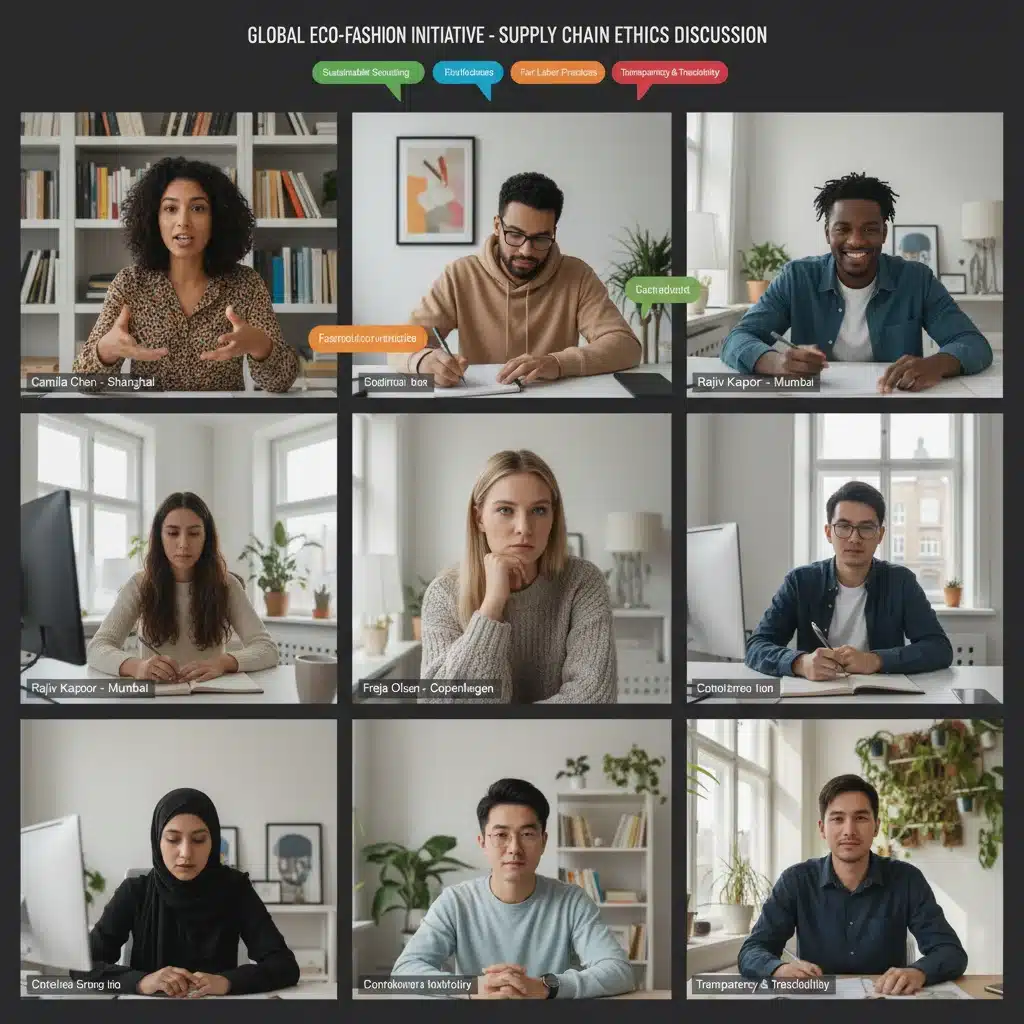
Integrating Soft Skills into Eco-Fashion Education
For U.S. educational institutions, the challenge and opportunity lie in seamlessly integrating these critical soft skills into their fashion, business, and design curricula. It’s not enough to offer standalone workshops; these skills must be woven into the fabric of every course, project, and experiential learning opportunity. Creating interdisciplinary programs that bridge fashion design with environmental studies, business ethics, and social justice will be crucial. Furthermore, fostering a learning environment that encourages critical thinking, collaboration, and ethical reflection is just as important as the specific course content.
Internships and real-world projects with sustainable fashion brands or organizations will provide invaluable practical experience, allowing students to apply and hone these soft skills in authentic contexts. Guest lectures from industry leaders, panel discussions, and networking events can also expose students to diverse perspectives and leadership styles within the eco-fashion movement. Ultimately, the goal is to cultivate well-rounded professionals who are not only technically proficient but also socially intelligent, ethically grounded, and capable of leading complex change.
The Future of Eco-Fashion Leadership
By 2027, the eco-fashion industry will demand leaders who are more than just experts in sustainable materials or production techniques. They will be visionary strategists, empathetic communicators, and adaptive problem-solvers who can navigate the intricate web of environmental, social, and economic challenges. For U.S. students currently charting their academic and career paths, focusing on developing systems thinking, empathetic communication, and visionary leadership will be the key to unlocking impactful roles in this transformative sector. The future of fashion is sustainable, and its success hinges on the caliber of its leaders. By investing in these critical soft skills today, students can become the architects of a more ethical, environmentally friendly, and prosperous fashion world tomorrow.
The journey towards a sustainable fashion industry is ongoing, fraught with complexities and requiring continuous innovation. The leaders who will successfully steer this ship will be those who embrace these challenges with a holistic mindset, a collaborative spirit, and an unwavering commitment to a better future. For aspiring eco-fashion professionals, the time to cultivate these essential soft skills is now. The industry, and indeed the planet, awaits their leadership.