Mastering the 5 Pillars of Sustainable Fashion Education: A 2026 Curriculum Deep Dive for U.S. Professionals
Anúncios
The fashion industry, long synonymous with rapid trends and disposable consumption, is undergoing a profound transformation. As environmental concerns escalate and consumer awareness grows, the imperative for sustainability has never been clearer. For U.S. professionals navigating this evolving landscape, mastering sustainable fashion education is not merely an advantage; it’s a necessity. By 2026, the educational framework supporting this shift will be more critical than ever, built upon five foundational pillars designed to equip the next generation of designers, merchandisers, and executives with the knowledge and tools to foster a truly circular and ethical industry.
Anúncios
The Unfolding Landscape of Sustainable Fashion Education
The journey towards a more sustainable fashion industry is complex, requiring a multidisciplinary approach that blends creativity with scientific understanding, ethical considerations, and business acumen. Traditional fashion curricula often fall short in addressing the systemic issues embedded within the industry, from resource depletion and pollution to labor exploitation. Consequently, a new paradigm for sustainable fashion education is emerging, one that prioritizes holistic learning and practical application.
For U.S. professionals, staying ahead means understanding not just the ‘what’ but the ‘how’ of sustainability. This involves delving into innovative materials, circular design strategies, transparent supply chains, and responsible consumption models. The demand for professionals skilled in these areas is skyrocketing, making targeted education a powerful career accelerator. Institutions, from universities to specialized online platforms, are rapidly adapting, but the core principles remain consistent.
Anúncios
Pillar 1: Deep Dive into Sustainable Materials and Textile Innovation
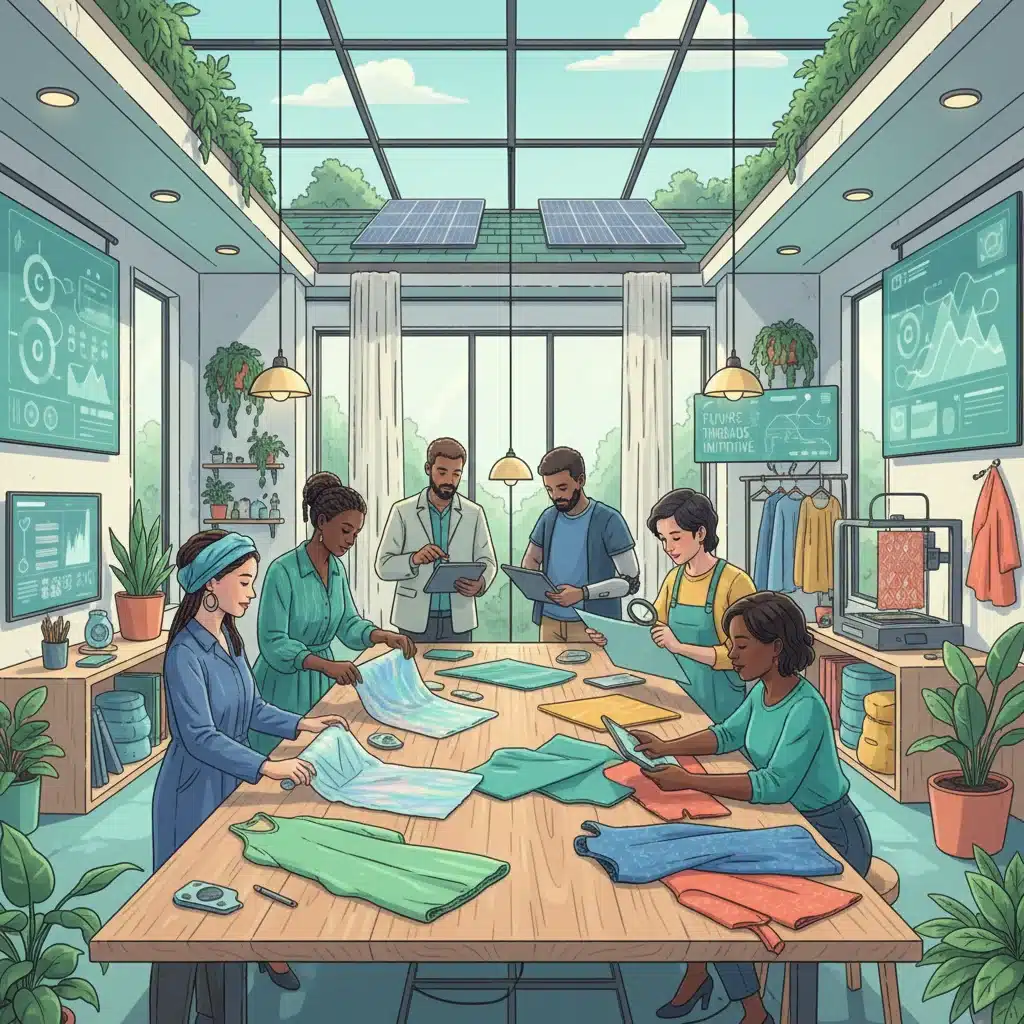
At the heart of sustainable fashion lies the material itself. The first pillar of effective sustainable fashion education focuses intensely on understanding the environmental and social impacts of various fibers, fabrics, and finishes. Professionals need to distinguish between genuinely eco-friendly options and ‘greenwashing’ tactics.
Understanding Fiber Lifecycle
This includes comprehensive studies on:
- Natural Fibers: Organic cotton, hemp, linen, and their cultivation practices. Understanding certifications like GOTS (Global Organic Textile Standard) and their implications.
- Recycled and Upcycled Materials: The science behind recycling polyester from PET bottles, regenerating nylon from fishing nets, and innovative upcycling techniques that transform waste into valuable resources.
- Bio-based and Novel Materials: Exploring emerging innovations such as mushroom leather (Mylo), algae-based fibers, citrus and pineapple leaf textiles, and lab-grown silk. Education in this area involves understanding biomimicry and biotechnology’s role in textile development.
- Low-Impact Synthetics: Examining alternatives to conventional synthetics, including recycled content, biodegradable synthetics, and the challenges of microplastic pollution.
Textile Processing and Finishing
Beyond raw materials, the processes involved in turning fibers into finished textiles are crucial. This pillar covers:
- Water and Energy Consumption: Analyzing the water footprint of different dyeing and finishing techniques, and exploring energy-efficient alternatives.
- Chemical Management: Education on hazardous chemicals, restricted substance lists (RSLs), and the transition to safer, non-toxic dyes and finishes. Certifications like OEKO-TEX and bluesign are integral to this understanding.
- Waste Reduction in Production: Strategies for minimizing textile waste during cutting, sewing, and other manufacturing stages.
For U.S. professionals, this means developing a critical eye for material sourcing and the ability to evaluate the true sustainability credentials of a product from its inception. It’s about moving beyond buzzwords to a deep, scientific understanding of material impact.
Pillar 2: Circular Design Principles and Product Lifecycle Management
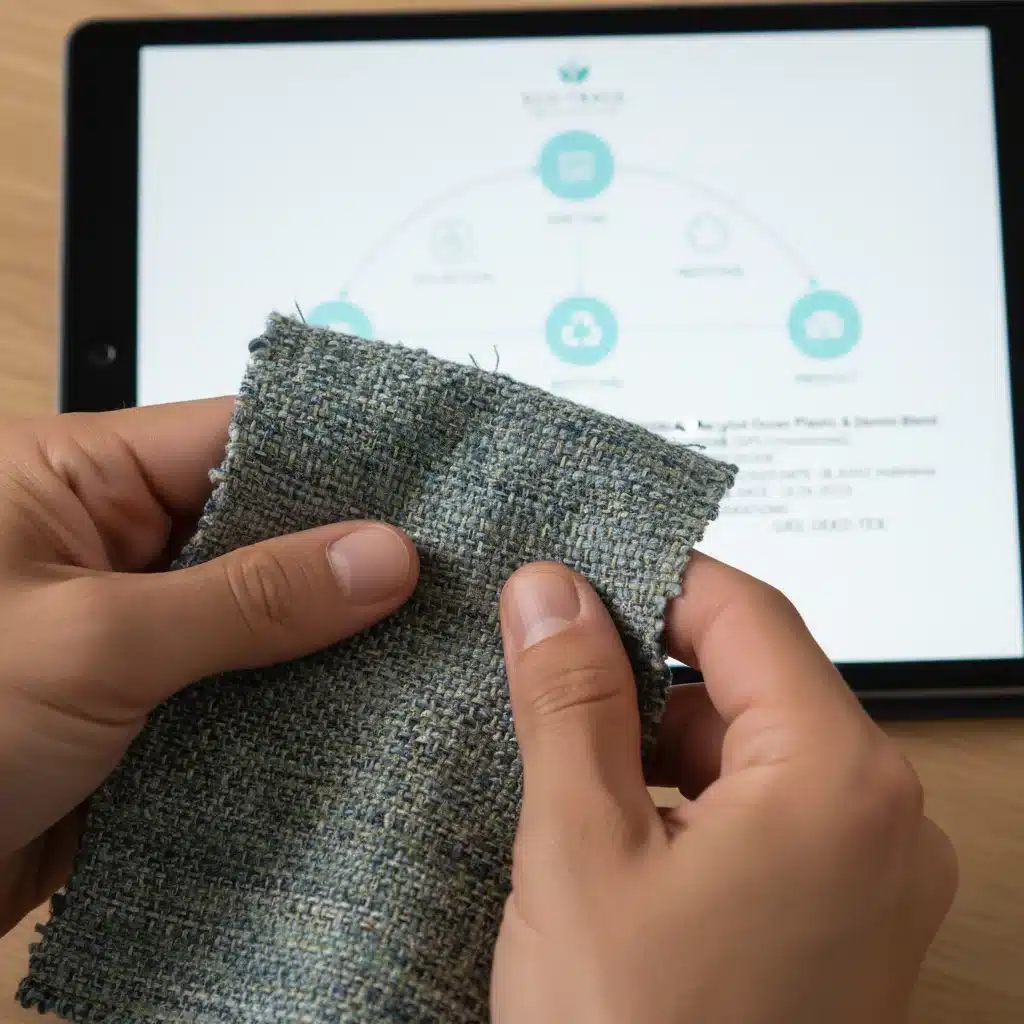
The second pillar emphasizes a fundamental shift in design philosophy: moving from a linear ‘take-make-dispose’ model to a circular one. Sustainable fashion education in this area teaches professionals how to design products with their end-of-life in mind, ensuring materials can be reused, recycled, or biodegraded safely.
Design for Longevity and Durability
This involves:
- Timeless Design: Moving away from fast fashion trends towards classic, durable designs that transcend seasons.
- Quality Construction: Understanding how construction techniques impact garment lifespan and repairability.
- Modular Design: Exploring designs that allow for easy repair, replacement of components, or adaptation.
Design for Cyclability
Crucially, professionals learn to design for:
- Disassembly: Products that can be easily taken apart to separate different materials for recycling.
- Mono-materiality: Using a single type of fiber or material to simplify recycling processes.
- Biodegradability: Designing products that can safely return to the earth without causing pollution, often using natural, untreated fibers.
- Upcycling and Remanufacturing: Techniques for transforming existing garments or textile waste into new products of higher value.
Product Lifecycle Assessment (LCA)
A key component of this pillar is learning how to conduct and interpret LCAs. This provides a quantitative method to assess the environmental impacts of a product throughout its entire life cycle, from raw material extraction to disposal. Understanding LCA allows professionals to make informed decisions at every stage of design and production, identifying hotspots of environmental impact and areas for improvement. This analytical skill is vital for any U.S. professional aiming to lead in sustainable fashion education and practice.
Pillar 3: Ethical Production, Supply Chain Transparency, and Social Responsibility
Sustainability extends far beyond environmental concerns to encompass the social welfare of everyone involved in the fashion supply chain. The third pillar of sustainable fashion education focuses on ethical practices, human rights, and transparent business models.
Understanding Global Supply Chains
This includes:
- Mapping and Traceability: Learning how to map complex global supply chains, from farm to factory to consumer, and the importance of digital tools for traceability.
- Fair Labor Practices: Education on international labor laws, fair wages, safe working conditions, and the prevention of forced labor and child labor. Understanding certifications like Fair Trade and SA8000.
- Worker Empowerment: Exploring initiatives that empower garment workers, including unionization, collective bargaining, and access to education and healthcare.
Social Impact and Community Engagement
Professionals are taught to consider the broader social impact of their operations:
- Community Development: How fashion businesses can contribute positively to the communities where they operate, fostering economic growth and social well-being.
- Cultural Preservation: Respecting traditional crafts and indigenous knowledge, and ensuring fair compensation for artisans.
- Diversity, Equity, and Inclusion (DEI): Integrating DEI principles throughout the entire business model, from hiring practices to marketing.
Transparency and Accountability
The ability to communicate sustainability efforts honestly and effectively is paramount. This involves:
- Reporting Standards: Familiarity with reporting frameworks such as the Global Reporting Initiative (GRI) and the Sustainable Development Goals (SDGs).
- Combating Greenwashing: Developing the ability to critically evaluate claims and ensure genuine commitment to sustainability.
- Consumer Communication: Learning how to educate consumers about sustainable choices without overwhelming them or making false claims.
For U.S. professionals, this pillar instills a strong ethical compass, enabling them to build businesses and careers that prioritize people alongside profit and planet. It’s about fostering a culture of integrity and responsibility.
Pillar 4: Sustainable Business Models, Policy, and Consumer Engagement
The fourth pillar moves beyond product-level changes to focus on systemic shifts in business operations, regulatory environments, and consumer behavior. Effective sustainable fashion education equips professionals to drive change at an organizational and societal level.
Innovative Business Models
This includes exploring alternatives to the traditional ownership model:
- Circular Economy Models: Understanding product-as-a-service (rental, leasing), repair services, resale platforms, and take-back programs.
- On-Demand and Made-to-Order Production: Strategies to reduce overproduction and waste by aligning supply more closely with demand.
- Local Production and Nearshoring: The benefits and challenges of reducing global supply chain complexity and carbon footprint.
Policy and Regulation
Professionals need to be aware of the evolving regulatory landscape:
- Environmental Regulations: Understanding policies related to waste management, chemical use, and carbon emissions.
- Extended Producer Responsibility (EPR): How EPR schemes hold brands accountable for the entire lifecycle of their products.
- International Agreements: The impact of global climate agreements and trade policies on sustainable fashion.
Consumer Behavior and Education
Engaging consumers is vital for the success of sustainable fashion initiatives:
- Behavioral Economics: Understanding the psychological factors influencing consumer choices and how to encourage sustainable purchasing habits.
- Marketing and Communication: Developing effective strategies to communicate the value and benefits of sustainable products without resorting to ‘greenwashing’.
- Community Building: Fostering a sense of community around sustainable values and practices.
Pillar 5: Technology, Data Analytics, and Digital Transformation for Sustainability
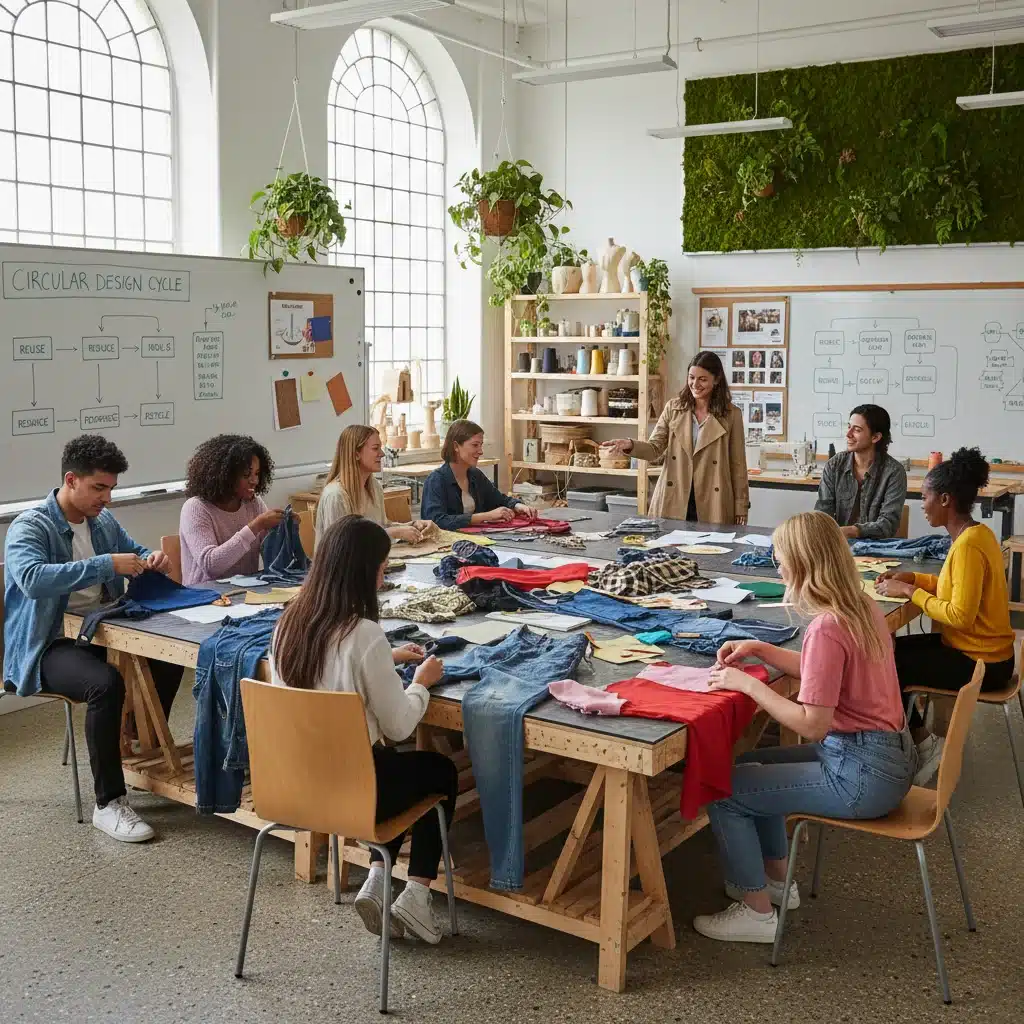
The final pillar recognizes the indispensable role of technology and data in achieving sustainable fashion goals. By 2026, proficiency in digital tools will be non-negotiable for U.S. professionals in sustainable fashion education.
Digital Tools for Supply Chain Management
- Blockchain Technology: Understanding how blockchain can enhance transparency and traceability in supply chains, verifying ethical sourcing and material authenticity.
- IoT (Internet of Things): Using sensors and connected devices to monitor resource consumption (water, energy) in manufacturing facilities.
- AI and Machine Learning: Applying AI for predictive analytics in inventory management to reduce overproduction, optimizing logistics, and identifying sustainable material alternatives.
Design and Production Technologies
- 3D Design and Virtual Prototyping: Reducing physical sample production, saving materials, energy, and time.
- On-Demand Manufacturing: Utilizing technologies like 3D printing and digital textile printing to produce items only when ordered, minimizing waste.
- Robotics and Automation: Exploring how automation can improve efficiency and reduce waste in manufacturing, while also addressing ethical implications for labor.
Data Analytics for Impact Measurement
- Sustainability Dashboards: Learning to use and create dashboards that track key performance indicators (KPIs) related to environmental and social impact.
- Life Cycle Assessment Software: Proficiency in specialized software for conducting LCAs more efficiently and accurately.
- Big Data Analysis: Interpreting large datasets to identify trends, optimize processes, and make data-driven sustainability decisions.
This pillar ensures that professionals are not only aware of sustainability challenges but are also equipped with the technological prowess to implement innovative, data-backed solutions. It bridges the gap between theoretical knowledge and practical, scalable impact within the realm of sustainable fashion education.
Integrating the Pillars: A Holistic Approach for U.S. Professionals
While each pillar of sustainable fashion education is critical on its own, their true power lies in their integration. A holistic curriculum for U.S. professionals in 2026 will weave these elements together, demonstrating their interconnectedness and fostering a systems-thinking approach. For example, designing a circular product (Pillar 2) requires deep knowledge of sustainable materials (Pillar 1), an understanding of ethical production (Pillar 3), a viable business model (Pillar 4), and the technological tools to track its lifecycle (Pillar 5).
Challenges and Opportunities in Curriculum Development
Developing such a comprehensive curriculum presents both challenges and immense opportunities. Challenges include the rapid pace of innovation in sustainable technologies, the need for interdisciplinary faculty expertise, and the integration of practical, hands-on learning experiences. Opportunities lie in forging stronger partnerships between academia and industry, creating specialized certifications, and fostering a new generation of fashion leaders who are inherently sustainability-minded.
The Role of Continuous Learning
For U.S. professionals, sustainable fashion education is not a one-time endeavor but a commitment to continuous learning. The field is dynamic, with new materials, technologies, and regulations emerging constantly. Therefore, ongoing professional development, workshops, conferences, and advanced certifications will be crucial for staying current and effective.
Conclusion: Shaping the Future of Fashion Through Education
The five pillars of sustainable fashion education – Sustainable Materials and Textile Innovation, Circular Design Principles, Ethical Production and Supply Chain Transparency, Sustainable Business Models and Policy, and Technology and Data Analytics – form the bedrock of a responsible and resilient fashion industry. For U.S. professionals looking to lead in this transformation, engaging with these educational frameworks is paramount. By mastering these areas, they will not only advance their careers but also contribute significantly to a future where fashion is a force for good, harmonizing creativity with ecological integrity and social justice. The year 2026 marks a critical juncture, and those who embrace comprehensive sustainable fashion education will be the architects of its greener, more equitable future.