
Industry Alert: New Supply Chain Transparency Mandates Expected for US Fashion Brands by January 2027
Anúncios
The landscape of the US fashion industry is on the cusp of a significant transformation. With a looming deadline of January 2027, US fashion brands are bracing for new, stringent fashion supply chain transparency mandates. These regulations are not merely a bureaucratic hurdle but a fundamental shift towards greater accountability, ethical sourcing, and environmental responsibility within a sector historically criticized for its opaque practices. Understanding these impending changes, their implications, and the proactive steps required for compliance is paramount for any brand aiming to thrive in this evolving environment.
For years, consumers, advocacy groups, and even some forward-thinking brands have called for enhanced visibility into the global fashion supply chain. The complex web of sourcing, manufacturing, and distribution often obscures critical information regarding labor practices, environmental impact, and material origins. The new mandates aim to pull back this veil, demanding an unprecedented level of disclosure and traceability. This article delves deep into what US fashion brands can expect, outlining the scope of these mandates, the challenges they present, and the strategic pathways to achieving and maintaining compliance.
The Urgency of Fashion Supply Chain Transparency: Why Now?
The push for increased fashion supply chain transparency is driven by a confluence of factors. High-profile incidents of labor exploitation, environmental degradation, and human rights abuses in various stages of the supply chain have intensified public scrutiny. Consumers are increasingly discerning, favoring brands that demonstrate genuine commitment to ethical practices and sustainability. Furthermore, legislative bodies worldwide are responding to these pressures, recognizing the need for regulatory frameworks to enforce responsible business conduct.
Anúncios
The US, a major player in the global fashion market, is now catching up with or even surpassing some existing international standards. The proposed January 2027 deadline signifies a clear intent to move swiftly, giving brands a critical window to adapt their operations. This isn’t just about avoiding penalties; it’s about safeguarding brand reputation, fostering consumer trust, and contributing to a more sustainable and equitable global economy. Brands that embrace transparency proactively will not only comply with the law but also gain a competitive edge in a market that values ethical credentials.
Key Pillars of the Expected Mandates for Fashion Supply Chain Transparency
While the final specifics of the mandates are still being formalized, industry experts and leaked drafts suggest several core areas of focus for fashion supply chain transparency. Brands should anticipate requirements spanning:
- Labor Practices and Human Rights: This will likely include comprehensive disclosure of worker conditions, wages, working hours, and freedom of association across all tiers of the supply chain. Expect mandates to address child labor, forced labor, and fair compensation, potentially requiring audits and certifications from third-party organizations.
- Environmental Impact: Brands will likely need to report on their environmental footprint, including carbon emissions, water usage, waste generation, and chemical management. This could involve tracing the environmental impact of raw material extraction, textile production, dyeing processes, and garment manufacturing.
- Material Traceability: A crucial aspect will be the ability to trace the origin of raw materials, such as cotton, wool, leather, and synthetic fibers. This goes beyond simply identifying the country of origin, potentially extending to the specific farms, mines, or recycling facilities.
- Sub-Contractor Disclosure: The mandates are expected to demand transparency even for sub-contractors and tier-2 and tier-3 suppliers, which have historically been the most opaque parts of the supply chain. This will require brands to map their entire network, not just direct suppliers.
- Due Diligence Reporting: Brands will likely be required to conduct and report on ongoing due diligence processes to identify, assess, and mitigate risks related to human rights and environmental impact throughout their supply chain.
- Public Disclosure: A significant component will be the mandatory public disclosure of this information, possibly through annual reports, dedicated sections on company websites, or centralized government databases.
These pillars collectively aim to create a holistic picture of a brand’s supply chain, enabling stakeholders to assess its ethical and environmental performance comprehensively. The expectation is that this increased visibility will drive continuous improvement and accountability.
Challenges and Opportunities in Achieving Fashion Supply Chain Transparency
The journey towards full fashion supply chain transparency is not without its challenges. The sheer complexity and global nature of fashion supply chains make data collection and verification an arduous task. Many brands work with hundreds, if not thousands, of suppliers, often through intermediaries, making it difficult to gain direct insight into lower tiers.
Data Collection and Integration
One of the primary hurdles will be establishing robust systems for collecting accurate, verifiable data from diverse sources. This includes everything from worker payroll records to energy consumption reports from factories in different countries. Integrating this disparate data into a cohesive, auditable system will require significant investment in technology and human resources.
Supplier Engagement and Capacity Building
Many suppliers, particularly those in developing countries, may lack the infrastructure or expertise to meet the new reporting requirements. Brands will need to engage actively with their suppliers, providing training, resources, and incentives to help them build their capacity for transparency. This collaborative approach is crucial for successful implementation.
Cost Implications
Implementing new systems, conducting audits, and investing in traceability technologies will incur costs. Brands will need to factor these expenses into their budgets, potentially re-evaluating sourcing strategies and pricing models. However, viewing these as investments in long-term resilience and brand value can mitigate the perceived burden.
Opportunities for Innovation
Despite the challenges, these mandates present significant opportunities. Brands that successfully navigate this transition can:
- Enhance Brand Reputation: Differentiate themselves as leaders in ethical and sustainable fashion, attracting conscious consumers.
- Improve Risk Management: Gain better visibility into potential disruptions, ethical breaches, or environmental hazards, allowing for proactive mitigation.
- Optimize Operations: A deeper understanding of the supply chain can reveal inefficiencies, leading to cost savings and improved operational performance.
- Foster Innovation: Drive the adoption of new technologies like blockchain for traceability, AI for data analysis, and sustainable manufacturing processes.

The path to compliance is not just about ticking boxes; it’s about embedding transparency into the core DNA of the business, transforming challenges into opportunities for growth and positive impact.
Strategic Steps for US Fashion Brands to Ensure Compliance by 2027
With the January 2027 deadline approaching, US fashion brands must begin implementing strategic initiatives now to ensure full compliance with the new fashion supply chain transparency mandates. Procrastination is not an option; a phased, comprehensive approach is essential.
1. Conduct a Comprehensive Supply Chain Mapping and Risk Assessment
The first step is to gain a complete understanding of your current supply chain. This means mapping every tier, from raw material extraction to finished product delivery. Identify all direct suppliers (Tier 1) and work with them to identify their suppliers (Tier 2), and so on. Simultaneously, conduct a thorough risk assessment to pinpoint areas of potential human rights abuses, environmental non-compliance, or data gaps. This baseline understanding is critical for informed decision-making.
2. Invest in Technology and Data Management Solutions
Leverage technology to streamline data collection, verification, and reporting. Consider solutions such as:
- Blockchain: For immutable and transparent record-keeping of transactions and material origins.
- Product Lifecycle Management (PLM) Systems: To manage product data from conception through manufacturing and beyond, integrating supplier information.
- ESG Reporting Platforms: Specialized software for tracking, analyzing, and reporting on environmental, social, and governance metrics.
- AI and Machine Learning: To analyze vast datasets, identify patterns, and flag potential risks or anomalies in supplier performance.
These tools can significantly reduce the administrative burden and enhance the accuracy of your transparency efforts.
3. Strengthen Supplier Relationships and Contracts
Compliance begins with your suppliers. Update supplier codes of conduct to explicitly include the new transparency requirements. Integrate these requirements into contracts, making compliance a non-negotiable condition for partnership. Offer support and training to help suppliers meet these new standards, fostering a collaborative environment rather than a punitive one. Regular communication and performance reviews will be crucial.
4. Implement Robust Due Diligence Processes
Establish ongoing due diligence processes that go beyond initial assessments. This involves:
- Regular Audits: Conduct independent third-party audits of supplier facilities focusing on labor, environmental, and safety standards.
- Worker Grievance Mechanisms: Implement accessible and effective channels for workers in your supply chain to report grievances without fear of retaliation.
- Continuous Monitoring: Utilize data analytics and risk intelligence tools to continuously monitor supplier performance and external risk factors.
Due diligence should be a dynamic and iterative process, adapting to new information and evolving risks.
5. Build Internal Capacity and Expertise
Your internal team needs to be equipped to manage these new requirements. Invest in training for procurement, sustainability, legal, and compliance teams. Consider hiring specialists in supply chain transparency, ethical sourcing, or environmental compliance. Cross-functional collaboration within your organization will be key to a successful implementation.
6. Prepare for Public Reporting and Communication
Anticipate the public disclosure requirements. Start preparing frameworks for your annual transparency reports, detailing your efforts, challenges, and progress. Develop a clear communication strategy to articulate your commitment to fashion supply chain transparency to consumers, investors, and other stakeholders. Authenticity and honesty in reporting, even about ongoing challenges, will build trust.
The Role of Collaboration and Industry Standards
Achieving comprehensive fashion supply chain transparency is not a task any single brand can accomplish in isolation. Industry-wide collaboration, shared best practices, and adherence to recognized standards will play a vital role. Initiatives like the Sustainable Apparel Coalition’s Higg Index, the Better Cotton Initiative, and various fair trade certifications offer frameworks and tools that can aid in compliance and demonstrate commitment.
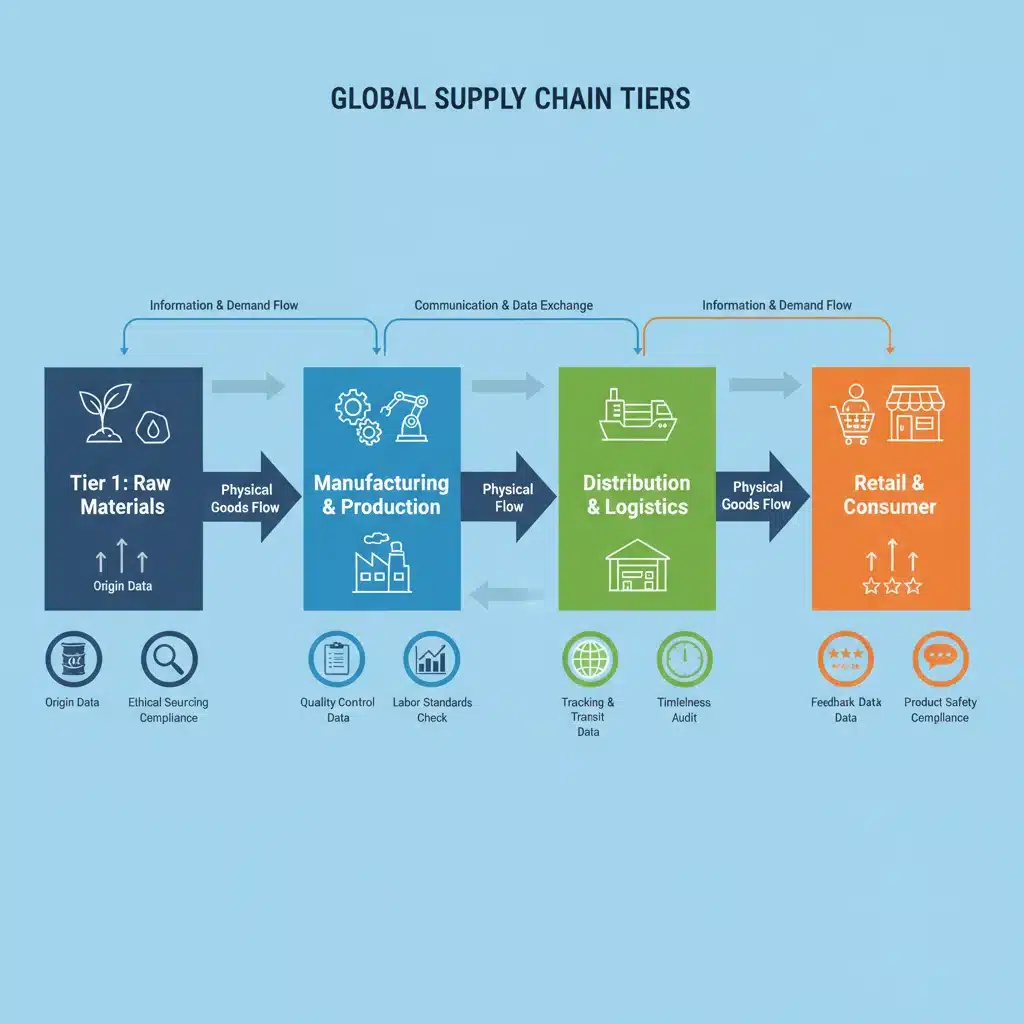
Participating in industry working groups, sharing insights, and advocating for clear, harmonized standards can collectively elevate the entire sector’s transparency performance. This collective effort can also help in lobbying for practical and effective regulatory implementations, ensuring that the mandates are achievable while still driving meaningful change.
Looking Beyond Compliance: The Future of Responsible Fashion
While the immediate focus for US fashion brands will be on meeting the January 2027 fashion supply chain transparency mandates, the long-term vision extends beyond mere compliance. These regulations are a stepping stone towards a more fundamentally responsible, ethical, and sustainable fashion industry.
Brands that truly embrace the spirit of transparency will find themselves at the forefront of innovation. They will attract and retain top talent, appeal to a growing segment of ethically conscious consumers, and build resilient supply chains that can withstand future disruptions. The move towards transparency also opens doors for circular economy models, where waste is minimized, and resources are kept in use for as long as possible, further enhancing sustainability credentials.
The fashion industry has a powerful cultural and economic footprint. By leading the charge in supply chain transparency, US fashion brands have the opportunity to redefine their impact, moving from a sector often associated with exploitation and environmental harm to one celebrated for its integrity, innovation, and positive contribution to society. The 2027 mandates are not just a regulatory deadline; they are an invitation to build a better future for fashion.
Conclusion: A New Era for US Fashion Supply Chain Transparency
The impending January 2027 mandates for fashion supply chain transparency mark a pivotal moment for the US fashion industry. These regulations will demand unprecedented levels of disclosure and accountability, pushing brands to meticulously map, monitor, and report on their entire global operations. While the challenges of data collection, supplier engagement, and technological investment are significant, the opportunities for enhanced brand reputation, improved risk management, and operational optimization are equally compelling.
Brands that proactively embrace these changes, investing in robust systems, fostering strong supplier partnerships, and building internal expertise, will not only ensure compliance but also position themselves as leaders in a rapidly evolving market. The future of fashion is transparent, ethical, and sustainable, and the journey to 2027 is a critical step in realizing that vision. It’s time for US fashion brands to take decisive action, transforming regulatory obligations into a catalyst for positive change and a more responsible global industry.