Attracting Gen Z: Authentic Sustainability for U.S. Fashion Brands

Anúncios
Attracting Gen Z: The 6 Key Benefits of Authentic Sustainability for U.S. Fashion Brands, Capturing 40% of the Youth Market by 2026
In the dynamic landscape of modern consumerism, one demographic stands out for its profound influence and distinct values: Generation Z. Comprising individuals born between the mid-1990s and the early 2010s, Gen Z is not just the future; they are the present, wielding significant purchasing power and shaping market trends with their ethical considerations. For U.S. fashion brands, understanding and appealing to this cohort is paramount, especially as they are projected to account for 40% of the youth market by 2026. At the heart of Gen Z’s consumer preferences lies an unwavering commitment to authenticity and, crucially, sustainability. This article delves into the critical role of authentic sustainability in attracting Gen Z and explores six key benefits that U.S. fashion brands can reap by genuinely embracing eco-conscious practices.
Anúncios
Why Gen Z Cares So Much About Sustainability in Fashion
Before we explore the benefits, it’s essential to grasp the ‘why’ behind Gen Z’s strong affinity for sustainable practices. Unlike previous generations, Gen Z has grown up in an era marked by heightened awareness of climate change, social injustice, and global interconnectedness. They are digital natives, constantly exposed to information – both good and bad – about corporate practices. This exposure has fostered a generation of critical thinkers who prioritize purpose over profit and seek brands that align with their values.
For Gen Z, sustainability isn’t a mere buzzword; it’s a fundamental expectation. They are not easily swayed by greenwashing; instead, they demand transparency, ethical production, and a genuine commitment to environmental and social responsibility. This generation is willing to pay more for sustainable products and actively seek out brands that demonstrate authentic efforts to minimize their environmental footprint and contribute positively to society. The fashion industry, historically criticized for its environmental impact and labor practices, faces particular scrutiny from this discerning demographic. Therefore, for U.S. fashion brands, integrating authentic sustainability isn’t just a marketing strategy; it’s a business imperative for long-term relevance and growth, especially when targeting the vital Gen Z sustainability fashion market.
Anúncios
The Rise of the Conscious Consumer: Understanding Gen Z’s Values
Gen Z’s values are deeply rooted in activism, inclusivity, and a desire for a better world. They are global citizens, empowered by social media to advocate for causes they believe in. This translates directly into their purchasing habits. They research brands, read reviews, and engage with content that details a company’s supply chain, labor practices, and environmental policies. A brand’s commitment to sustainability is often a deal-breaker or a deal-maker for this cohort. They value authenticity above all else, which means brands must ‘walk the talk’ rather than just making empty promises. This inherent skepticism, coupled with a genuine desire for positive change, makes the Gen Z sustainability fashion market both challenging and incredibly rewarding for brands willing to invest in true ethical practices.
Benefit 1: Enhanced Brand Loyalty and Trust Through Authentic Sustainability
One of the most significant advantages of embracing authentic sustainability for U.S. fashion brands is the cultivation of deep brand loyalty and trust among Gen Z consumers. This generation is inherently skeptical of traditional advertising and seeks genuine connections with brands. When a brand demonstrates a verifiable commitment to sustainable practices – from sourcing eco-friendly materials to ensuring fair labor wages and transparent supply chains – it resonates profoundly with Gen Z’s values.
Authenticity builds trust, and trust fosters loyalty. Gen Z consumers are not transactional; they are relational. They want to support brands that reflect their worldview and contribute to a better future. A brand that genuinely integrates sustainability into its core operations, rather than treating it as an add-on, will earn the unwavering loyalty of this demographic. This loyalty translates into repeat purchases, positive word-of-mouth recommendations, and a strong brand community. In a crowded marketplace, standing out as a truly sustainable brand can be a powerful differentiator, cementing your position in the minds and hearts of the Gen Z sustainability fashion consumer. Transparency about sustainable efforts, including challenges and progress, further solidifies this trust, as Gen Z appreciates honesty over perfection.
Benefit 2: Increased Market Share and Competitive Advantage in the Youth Market
As Gen Z’s purchasing power continues to grow, and their influence expands across various market segments, U.S. fashion brands that prioritize authentic sustainability are poised to gain a significant competitive advantage. With Gen Z expected to make up 40% of the youth market by 2026, capturing their attention and loyalty is not just beneficial; it’s essential for future growth.
Brands that genuinely commit to sustainable practices can differentiate themselves from competitors who are either slow to adapt or engage in greenwashing. This differentiation attracts a large and growing segment of consumers who actively seek out ethical options. By aligning with Gen Z’s core values, fashion brands can tap into a loyal customer base that is willing to invest in products that align with their ethical standards. This translates directly into increased market share, as conscious consumers choose brands that reflect their commitment to environmental and social responsibility. Furthermore, early adopters of authentic sustainability can establish themselves as industry leaders, setting benchmarks and influencing the broader market. This proactive approach ensures relevance and growth in the evolving Gen Z sustainability fashion landscape.
Benefit 3: Enhanced Brand Reputation and Positive Public Image
In today’s hyper-connected world, brand reputation is more fragile and more critical than ever. Gen Z, armed with social media and a strong sense of social justice, can quickly amplify both positive and negative brand narratives. For U.S. fashion brands, authentic sustainability offers a robust pathway to building and maintaining a stellar brand reputation.
When a brand is genuinely committed to reducing its environmental impact, promoting fair labor, and contributing positively to communities, this narrative resonates strongly with the public. It generates positive media coverage, favorable social media discussions, and builds a reputation as a responsible and forward-thinking company. Conversely, brands perceived as environmentally irresponsible or ethically questionable risk severe backlash, boycotts, and lasting damage to their image. By embedding sustainability into their DNA, fashion brands can proactively shape a positive public image, attracting not only consumers but also talented employees, investors, and partners who share similar values. This positive reputation is invaluable, acting as a shield against criticism and a magnet for goodwill within the Gen Z sustainability fashion space and beyond.
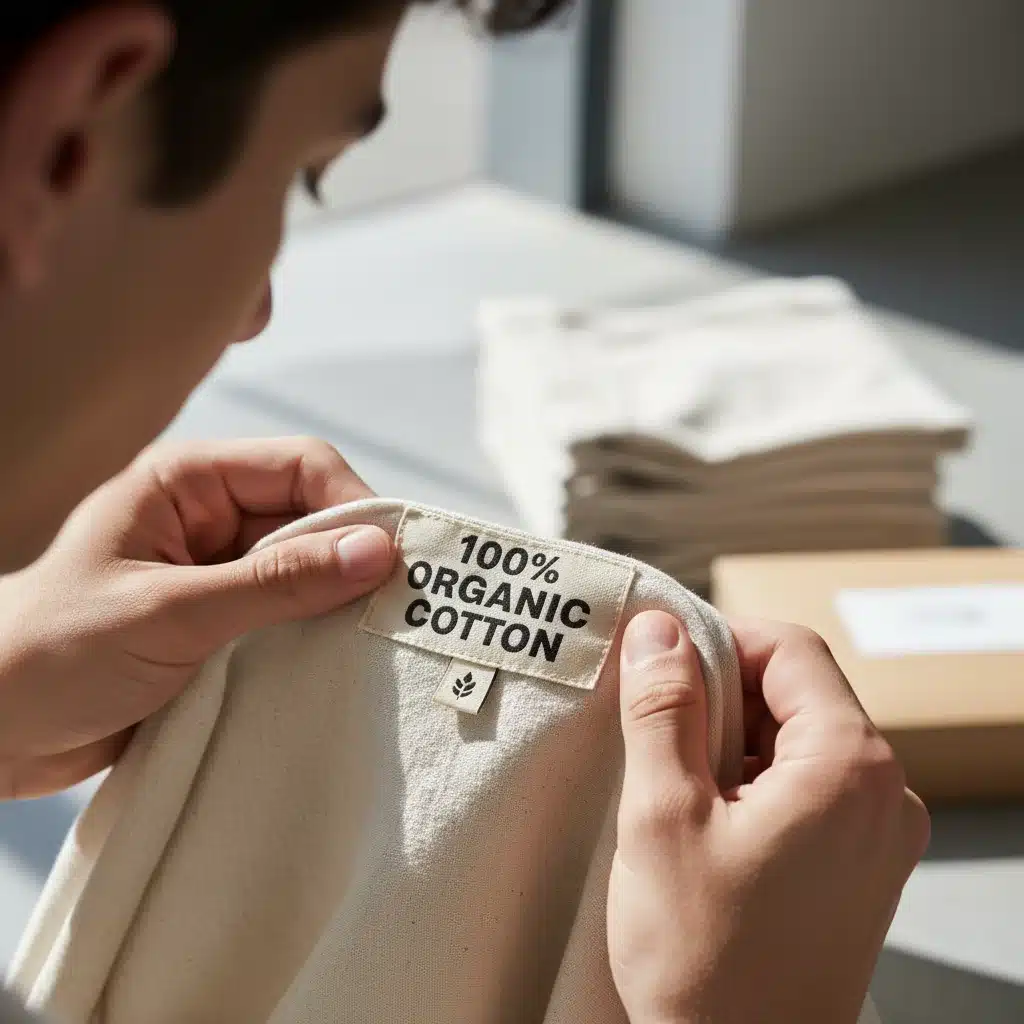
Transparency as the Cornerstone of Reputation
For Gen Z, transparency is non-negotiable. They expect brands to be open about their supply chains, manufacturing processes, and environmental impact. Brands that provide clear, accessible information about their sustainability efforts – even admitting where they still need to improve – build a stronger, more authentic reputation. This includes certifications, impact reports, and clear communication about material sourcing and production ethics. Such transparency fosters trust and reinforces the brand’s commitment to authentic sustainability, making it a preferred choice for the discerning Gen Z sustainability fashion consumer.
Benefit 4: Attracting and Retaining Top Talent
The benefits of authentic sustainability extend beyond consumer loyalty to encompass talent acquisition and retention. Gen Z is not just a consumer group; they are also the emerging workforce, and their values profoundly influence their career choices. They seek employers whose mission and values align with their own, prioritizing purpose-driven work over purely financial incentives.
U.S. fashion brands with a strong commitment to sustainability are significantly more attractive to Gen Z job seekers. These young professionals want to work for companies that are making a positive impact on the world, offering a sense of meaning and contribution beyond a paycheck. A sustainable brand demonstrates ethical leadership, innovation, and a commitment to a better future – qualities that resonate deeply with this generation. By fostering a culture of sustainability, fashion brands can attract top talent, reduce turnover, and cultivate a highly engaged and motivated workforce. This internal alignment with sustainable values further strengthens the brand’s external message, creating a virtuous cycle that benefits both the company and its employees within the context of the Gen Z sustainability fashion movement.
Benefit 5: Fostering Innovation and Operational Efficiency
Embracing authentic sustainability is not merely about compliance or ethical posturing; it is a powerful catalyst for innovation and operational efficiency within U.S. fashion brands. The pursuit of sustainable practices often necessitates a re-evaluation of existing processes, materials, and supply chains, leading to creative solutions and cost savings.
For instance, brands committed to reducing waste might explore circular design principles, implement new recycling technologies, or invest in more durable, repairable products. These initiatives can lead to the development of new, innovative products and business models that appeal to the Gen Z sustainability fashion consumer. Furthermore, optimizing resource consumption – such as water, energy, and raw materials – not only reduces environmental impact but also leads to significant cost efficiencies in the long run. Investing in renewable energy sources, streamlining production processes, and minimizing waste all contribute to a leaner, more resilient, and more innovative operation. This forward-thinking approach not only meets Gen Z’s demands but also positions the brand as a leader in sustainable innovation, driving continuous improvement and future-proofing the business.
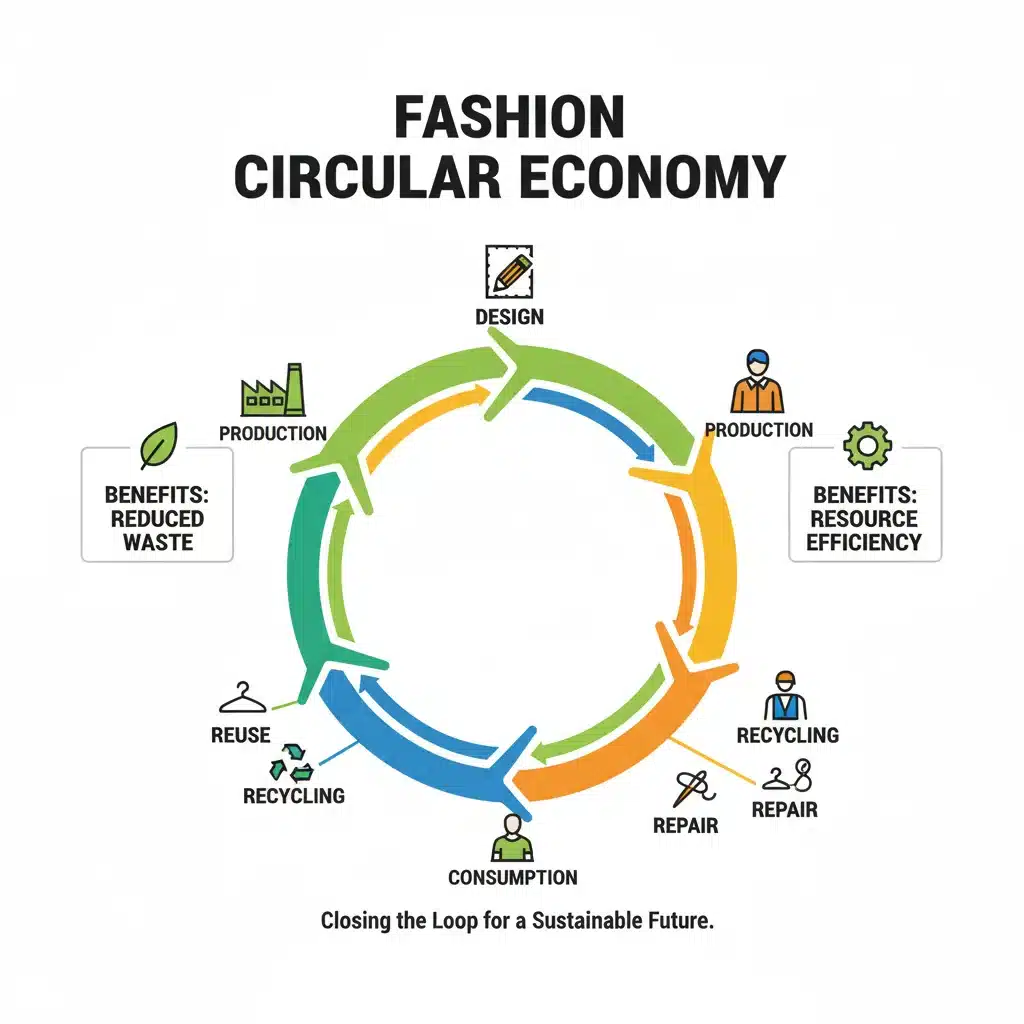
Circular Economy Principles in Fashion
A key area of innovation driven by sustainability is the adoption of circular economy principles. Instead of the traditional linear ‘take-make-dispose’ model, circular fashion aims to keep resources in use for as long as possible, extract the maximum value from them whilst in use, then recover and regenerate products and materials at the end of each service life. This involves designing for durability, repairability, and recyclability, as well as exploring rental, resale, and upcycling models. Brands that embrace the circular economy are not only reducing their environmental footprint but also creating new revenue streams and engaging with Gen Z consumers who are increasingly interested in these sustainable alternatives. This shift is crucial for staying competitive and relevant in the evolving Gen Z sustainability fashion market.
Benefit 6: Future-Proofing the Brand Against Evolving Regulations and Consumer Demands
The global regulatory landscape concerning environmental and social responsibility is constantly evolving, with increasing pressure on industries, including fashion, to adopt more sustainable practices. Simultaneously, consumer demands, particularly from Gen Z, are pushing brands towards greater transparency and ethical conduct. For U.S. fashion brands, embracing authentic sustainability now is a strategic move to future-proof their operations and market position.
By proactively integrating sustainable practices, brands can stay ahead of impending regulations, avoiding potential fines, legal challenges, and reputational damage associated with non-compliance. This foresight not only ensures operational continuity but also positions the brand as a responsible leader. More importantly, it aligns the brand with the undeniable trajectory of consumer preferences. As Gen Z sustainability fashion becomes the norm rather than the niche, brands that have genuinely embedded sustainability into their core will be better equipped to meet these escalating expectations. This proactive approach ensures long-term relevance, resilience, and continued growth in a market that increasingly values ethical and eco-conscious choices, securing a stronger footing for the future.
Implementing Authentic Sustainability: Practical Steps for U.S. Fashion Brands
Understanding the benefits is one thing; implementing authentic sustainability is another. For U.S. fashion brands, this journey requires a holistic approach, moving beyond superficial gestures to deep-seated operational changes. Here are some practical steps:
- Supply Chain Transparency: Map your entire supply chain, from raw material sourcing to manufacturing and distribution. Partner with suppliers who share your commitment to ethical labor practices and environmental stewardship. Use blockchain or other technologies to ensure traceability and share this information with consumers.
- Eco-Friendly Materials: Prioritize the use of organic, recycled, upcycled, or innovative sustainable materials (e.g., Tencel, hemp, mushroom leather). Research and invest in materials that minimize water usage, chemical pollution, and carbon footprint.
- Ethical Production: Ensure fair wages, safe working conditions, and reasonable hours for all workers throughout your supply chain. Seek certifications like Fair Trade or SA8000.
- Waste Reduction and Circularity: Implement strategies to reduce waste at every stage of production. Explore circular design principles, take-back programs, repair services, and resale platforms. Design products for longevity and recyclability.
- Energy and Water Efficiency: Invest in renewable energy sources for manufacturing facilities. Implement water-saving technologies and processes in dye houses and other water-intensive operations.
- Meaningful Communication: Be transparent about your sustainability efforts, including your successes and challenges. Avoid greenwashing. Engage with your Gen Z sustainability fashion consumers through authentic storytelling, showcasing your impact and inviting their feedback.
- Employee Engagement: Involve your employees in sustainability initiatives. Foster a culture where sustainable practices are encouraged and rewarded, further cementing the brand’s commitment.
- Collaborate and Innovate: Partner with NGOs, sustainable tech startups, and other industry leaders to drive innovation and share best practices. The sustainable fashion movement is a collective effort.
By taking these concrete steps, U.S. fashion brands can move from aspiration to action, truly embedding sustainability into their core identity and effectively capturing the loyalty and purchasing power of Gen Z.