Sustainable Fashion Education: Integrating into U.S. Curriculum by 2026
Anúncios
Educating the Next Generation: Integrating Sustainable Fashion into U.S. Curriculum by 2026
Anúncios
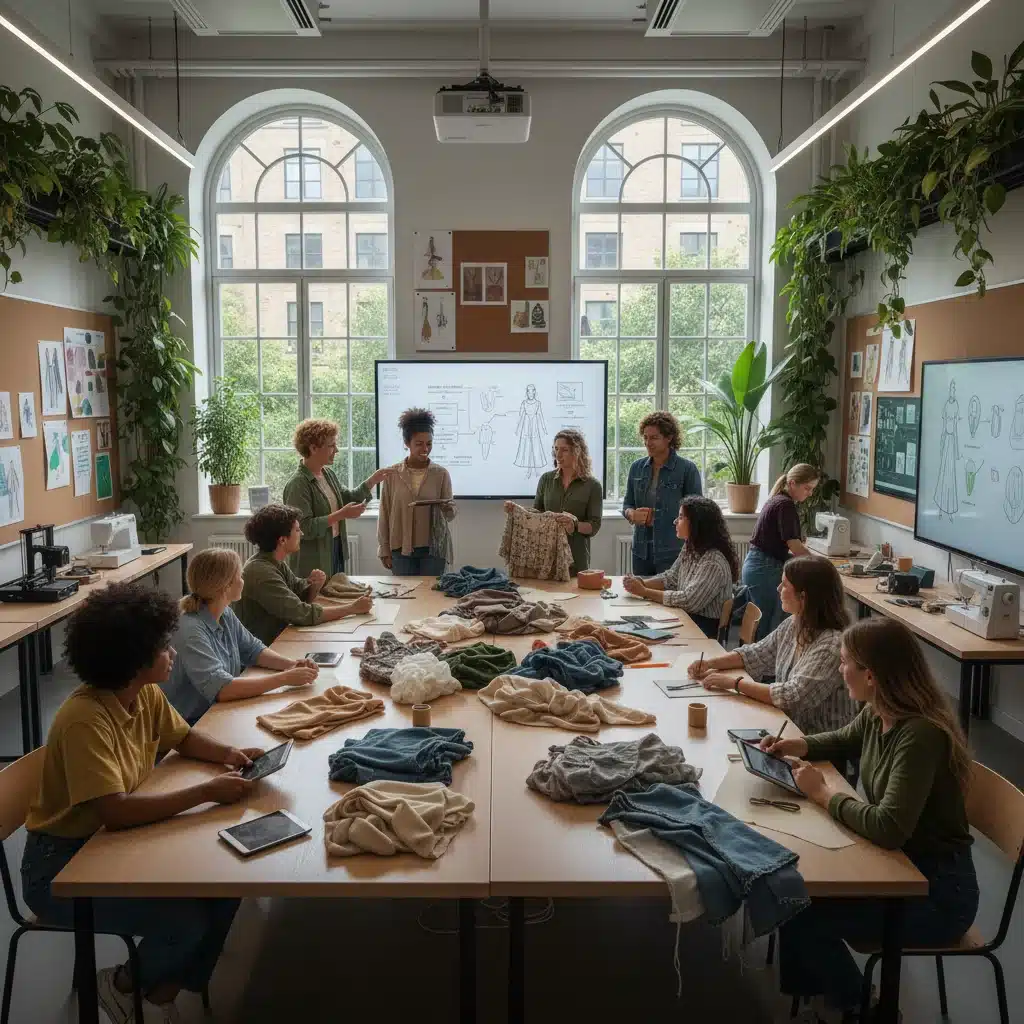
The global fashion industry is a colossal economic force, yet its environmental and social footprint is equally immense. From resource-intensive production to widespread waste and ethical concerns, the current model is unsustainable. As awareness grows, so does the imperative to change. This change, however, cannot solely come from industry leaders; it must also be cultivated at the foundational level through education. The goal: integrating sustainable fashion education into the U.S. curriculum by 2026. This ambitious yet crucial endeavor aims to equip the next generation with the knowledge, skills, and values necessary to foster a more responsible and ethical fashion landscape.
The Urgent Need for Sustainable Fashion Education
The statistics surrounding the fashion industry’s impact are staggering. It is one of the largest polluters globally, contributing significantly to water pollution, plastic microfibre release, and greenhouse gas emissions. The fast fashion model, characterized by rapid production cycles, low prices, and disposable garments, exacerbates these problems. Consumers, often unaware of the true cost of their clothing, continue to fuel this cycle. This is where sustainable fashion education becomes not just beneficial, but absolutely essential.
Anúncios
Environmental Impact: A Deeper Dive
Consider water consumption: producing a single cotton t-shirt can require up to 2,700 liters of water, enough drinking water for one person for 2.5 years. Denim production is even more water-intensive. Dyes and chemicals used in textile manufacturing contaminate waterways, posing severe health risks to local communities and ecosystems. Furthermore, the reliance on synthetic fibers like polyester, a petroleum-based plastic, means that garments shed microplastics with every wash, entering our oceans and food chain. Landfills are overflowing with textile waste, much of which is non-biodegradable and will persist for centuries.
Social and Ethical Dimensions
Beyond environmental concerns, the fashion industry grapples with significant social and ethical issues. Labor exploitation, unsafe working conditions, and inadequate wages are rampant in many parts of the global supply chain. Child labor, forced labor, and gender inequality are also persistent problems. Educating students about these realities fosters empathy and encourages them to consider the human cost behind their clothing choices. Understanding fair trade practices, ethical sourcing, and transparent supply chains is a vital component of comprehensive sustainable fashion education.
Economic Implications of Unsustainability
While fast fashion offers seemingly low prices, the long-term economic costs are immense. Environmental degradation leads to resource scarcity and increased costs for remediation. Health issues from pollution burden healthcare systems. The volatility of global supply chains, often reliant on single regions for production, poses economic risks. Investing in sustainable fashion education can lead to innovative solutions, new green jobs, and a more resilient, circular economy within the fashion sector, ultimately benefiting national economies.
Defining Sustainable Fashion Education
What exactly does sustainable fashion education entail? It’s more than just teaching students to recycle clothes. It’s a holistic approach that covers the entire lifecycle of a garment, from raw material extraction to design, production, consumption, and disposal. Key areas include:
- Material Science: Understanding eco-friendly fibers (organic cotton, hemp, linen, recycled materials), their properties, and environmental impact.
- Design Principles: Emphasizing durability, timelessness, versatility, and designing for circularity (repair, reuse, recycling).
- Production Practices: Learning about ethical manufacturing, fair labor, water-saving technologies, and reduced chemical usage.
- Consumer Behavior: Promoting conscious consumption, garment care, repair skills, upcycling, and responsible disposal.
- Supply Chain Transparency: Investigating where clothes come from, who makes them, and the conditions under which they are produced.
- Policy and Advocacy: Understanding the role of legislation, certifications (e.g., GOTS, Fair Trade), and consumer activism in driving change.
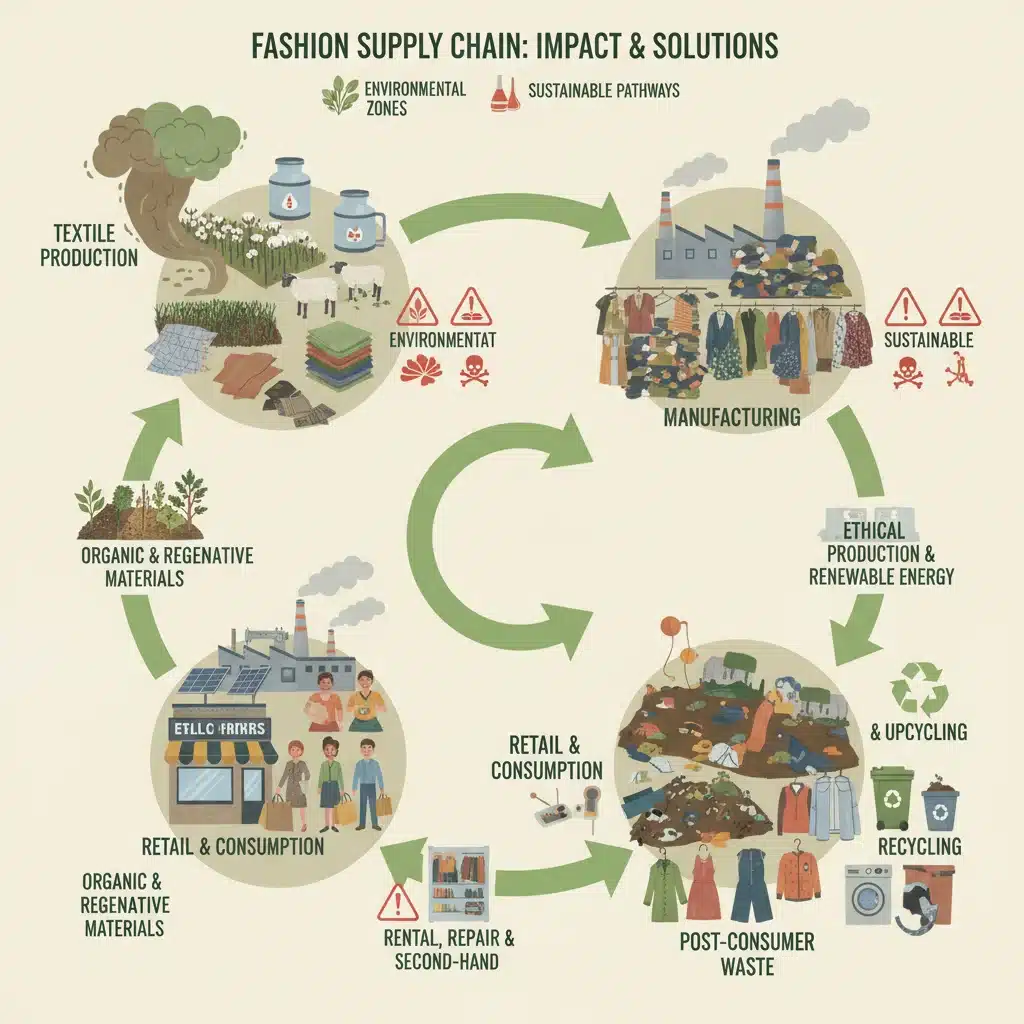
- Circular Economy Principles: Moving away from a linear ‘take-make-dispose’ model towards a system where resources are kept in use for as long as possible.
Current Landscape of Sustainable Fashion in U.S. Education
Currently, sustainable fashion education is largely fragmented in the U.S. Some universities offer specialized programs or courses within fashion design, merchandising, or environmental studies departments. High schools and middle schools occasionally incorporate elements of sustainability into art, home economics, or science classes, but a cohesive, widespread curriculum is lacking. The integration is often dependent on individual teacher initiative or specific school projects rather than a standardized approach.
Challenges to Integration
- Curriculum Overload: Schools are already grappling with packed curricula, making it difficult to introduce new subjects.
- Teacher Training: Many educators may not have the necessary expertise in sustainable fashion to teach it effectively.
- Resource Scarcity: Developing new teaching materials, textbooks, and hands-on resources requires significant investment.
- Standardization: Creating a consistent curriculum that can be adopted across diverse states and school districts is complex.
- Perception: Sustainable fashion might still be perceived as a niche interest rather than a critical life skill.
Strategies for Successful Integration by 2026
Achieving the goal of widespread sustainable fashion education by 2026 requires a multi-faceted strategy involving policymakers, educators, industry stakeholders, and communities. Here are key actionable steps:
1. Developing a National Framework and Standards
The first step is to establish a national framework or set of guidelines for sustainable fashion education. This doesn’t necessarily mean a rigid, one-size-fits-all curriculum, but rather core competencies and learning objectives that states and districts can adapt. This framework should be developed by a consortium of educational experts, fashion industry leaders, environmental scientists, and curriculum designers. It should outline age-appropriate learning outcomes for elementary, middle, and high school levels, ensuring a progressive understanding of the topic.
2. Investing in Teacher Professional Development
Teachers are the linchpin of any educational reform. Comprehensive professional development programs are crucial to equip educators with the knowledge and pedagogical tools to teach sustainable fashion. These programs could include:
- Workshops and Webinars: Focused on key sustainable fashion concepts, materials, and ethical practices.
- Partnerships with Industry: Connecting teachers with sustainable fashion brands or designers for real-world insights.
- Curriculum Resources: Providing ready-to-use lesson plans, activities, and project-based learning materials.
- Certification Programs: Offering certifications for educators specializing in environmental or sustainable design education.
3. Integrating Across Disciplines
- Science: Exploring textile chemistry, biodegradability, microplastics, and the environmental impact of production.
- Social Studies/History: Discussing labor rights, global supply chains, consumer movements, and the history of fashion’s social impact.
- Art/Design: Focusing on upcycling, repair, slow fashion design, natural dyeing, and creative reuse.
- Home Economics/FACS: Teaching practical skills like mending, garment care, and DIY projects with sustainable materials.
- Economics: Analyzing the business models of fast fashion versus sustainable brands, circular economy principles, and ethical consumerism.
- English/Language Arts: Researching and writing about sustainable fashion issues, ethical dilemmas, and consumer advocacy.
4. Developing Accessible and Engaging Resources
The success of integrating sustainable fashion education hinges on engaging students. This means developing diverse resources:
- Interactive Digital Platforms: Online modules, games, and virtual tours of sustainable factories.
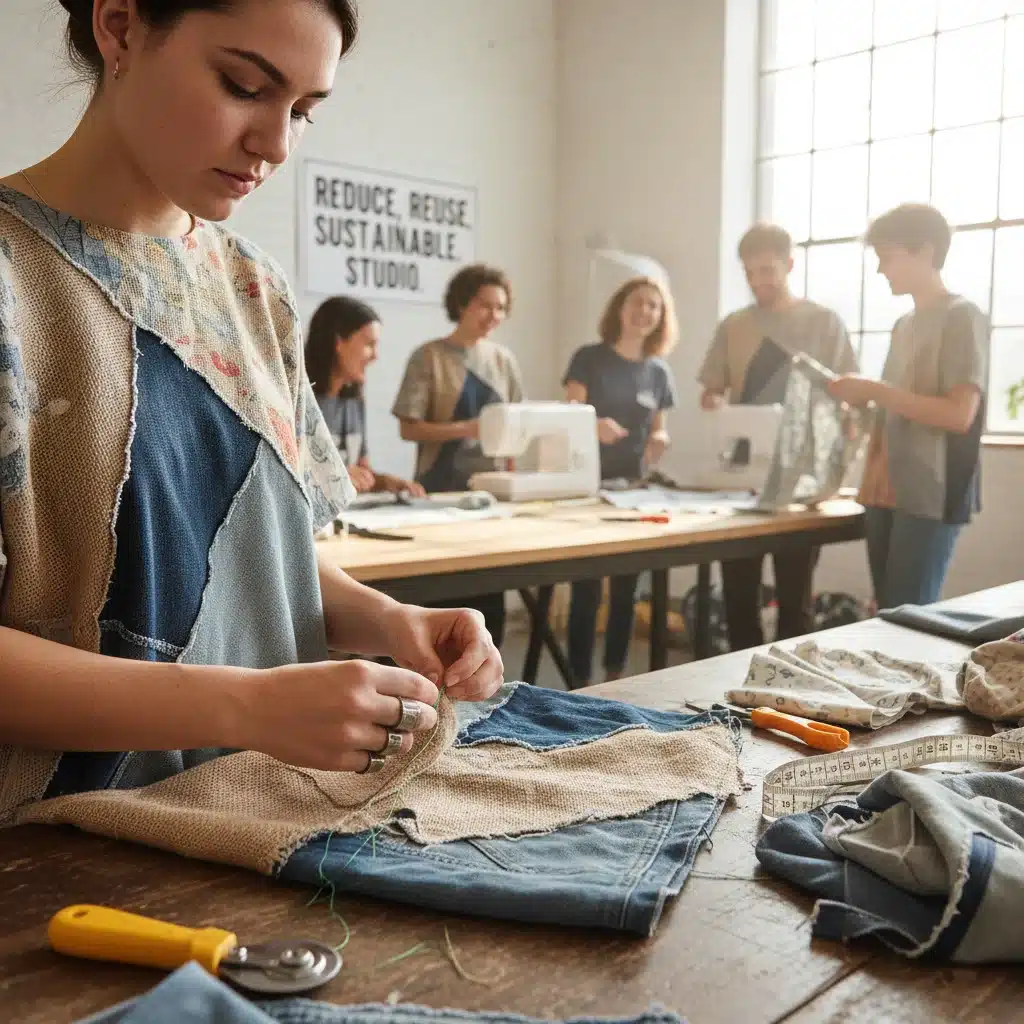
- Hands-on Projects: Upcycling challenges, designing sustainable collections, creating natural dyes, and textile art.
- Guest Speakers: Inviting sustainable designers, activists, and industry professionals to share their experiences.
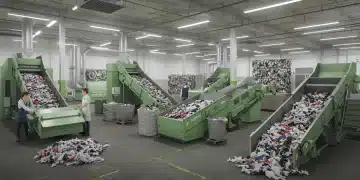
- Field Trips: Organizing visits to textile recycling facilities, sustainable farms (for natural fibers), or local artisans.
- Partnerships with NGOs and Brands: Collaborating with non-profits focused on fashion sustainability and ethical brands to provide real-world case studies and mentorship opportunities.
5. Leveraging Technology for Learning
Technology can play a pivotal role in making sustainable fashion education more dynamic and accessible. Virtual reality (VR) and augmented reality (AR) can simulate factory conditions or showcase the lifecycle of a garment. Online databases can provide information on sustainable materials and certifications. Educational apps can help students track their clothing’s impact or find local repair services. Social media platforms can be used to raise awareness and foster student-led campaigns for sustainable practices.
Benefits of Early Sustainable Fashion Education
Integrating sustainable fashion education at an early age offers a myriad of benefits that extend far beyond simply understanding clothing production:
Fostering Conscious Consumers
Students who learn about the environmental and social costs of fashion are more likely to become conscious consumers. They will be equipped to make informed purchasing decisions, prioritize quality over quantity, and support brands aligned with their values. This shift in consumer behavior is critical for driving systemic change in the industry.
Inspiring Future Innovators and Entrepreneurs
Early exposure to the challenges and opportunities within sustainable fashion can inspire students to pursue careers in this field. They might become innovators in textile science, sustainable designers, ethical supply chain managers, or entrepreneurs launching eco-friendly brands. This proactive approach ensures a pipeline of talent dedicated to transforming the industry.
Developing Critical Thinking and Problem-Solving Skills
Sustainable fashion education encourages critical thinking. Students learn to analyze complex global supply chains, evaluate environmental claims, and propose solutions to multifaceted problems. This cultivates essential skills applicable across all aspects of life and future careers.
Promoting Environmental Stewardship
By understanding the direct link between their clothing choices and environmental impact, students develop a deeper sense of environmental stewardship. They learn to value natural resources, reduce waste, and advocate for planet-friendly practices, contributing to a broader culture of sustainability.
Enhancing Global Citizenship
Learning about the social and ethical dimensions of fashion, including labor conditions and fair trade, helps students understand their role as global citizens. It fosters empathy, promotes social justice, and encourages them to consider the interconnectedness of global communities.
Case Studies and Pilot Programs
While a national standard for sustainable fashion education is a future goal, several existing initiatives offer valuable insights and models:
- Parsons School of Design (NYC): A leader in higher education, Parsons offers extensive programs and research centers dedicated to sustainable fashion design and circularity, demonstrating advanced curriculum integration.
- Fashion Institute of Technology (FIT, NYC): FIT has established a ‘Sustainable Business and Design Center’ and integrates sustainability across various fashion majors, often collaborating with industry partners.
- Local Initiatives: Some high schools and community colleges have developed elective courses or clubs focused on upcycling, textile art, or environmental fashion, often driven by passionate educators. These grassroots efforts provide valuable lessons for broader implementation.
These examples, though currently limited, prove the feasibility and student interest in such topics. Scaling these successes will be key.
Measuring Success and Future Outlook
To ensure the effective integration of sustainable fashion education, it’s crucial to establish metrics for success. These could include:
- Student Engagement and Knowledge: Assessing student understanding through projects, presentations, and surveys.
- Behavioral Changes: Observing shifts in student consumer habits, participation in upcycling, and advocacy for sustainable practices.
- Curriculum Adoption Rates: Tracking the number of schools and districts adopting the framework or integrating relevant content.
- Teacher Preparedness: Evaluating the effectiveness of professional development programs.
- Industry Impact: Long-term tracking of graduates entering sustainable fashion careers or contributing to industry change.
The year 2026 is an ambitious target, but the urgency of the climate crisis and social inequities demands bold action. By systematically embedding sustainable fashion education into the U.S. curriculum, we can empower the next generation to be informed consumers, responsible citizens, and innovative leaders who will shape a more sustainable and equitable future for the fashion industry and beyond. This investment in education is an investment in our planet and our collective future.
Conclusion: A Sustainable Future Woven into Education
The journey towards integrating sustainable fashion education into the U.S. curriculum by 2026 is a complex but profoundly rewarding endeavor. It requires collaboration, innovation, and a shared vision for a future where fashion is synonymous with responsibility and respect for both people and the planet. By equipping students with the knowledge and skills to navigate the complexities of the fashion industry, we are not just teaching them about clothes; we are teaching them about global citizenship, environmental stewardship, and the power of their choices. This educational shift is not merely an addition to the curriculum; it is a fundamental reorientation towards preparing our youth for the challenges and opportunities of a truly sustainable world. The time to act is now, to weave sustainability into the very fabric of our education system, ensuring that the next generation is ready to design, create, and consume fashion with a conscience.