2026 Green Bond Market: High-Yield Opportunities (4%+ Returns)
Anúncios
The 2026 Green Bond Market: Identifying High-Yield Opportunities with a Minimum 4% Return
In an era increasingly defined by climate consciousness and sustainable development goals, the financial world is witnessing a profound shift. Investors are no longer solely focused on financial returns; environmental, social, and governance (ESG) factors are now pivotal to investment decisions. Amidst this paradigm shift, High-Yield Green Bonds have emerged as a compelling asset class, offering a dual promise: robust financial returns and measurable positive environmental impact. As we look towards 2026, the green bond market is poised for significant expansion, presenting unique opportunities for investors seeking a minimum 4% return while contributing to a greener future.
Anúncios
This comprehensive guide delves into the nuances of the 2026 green bond market, exploring its growth trajectory, the mechanisms that drive its yields, and strategies to identify the most promising High-Yield Green Bonds. We will navigate the complexities of market dynamics, risk assessment, and the critical importance of due diligence in this rapidly evolving sector. Our aim is to equip you with the knowledge and insights necessary to confidently allocate capital to sustainable investments that meet your financial objectives.
The global commitment to combating climate change, as evidenced by international agreements and national policies, continues to fuel the demand for green financing. This escalating demand translates into a burgeoning market for green bonds, which are debt instruments specifically earmarked to finance projects with environmental benefits. From renewable energy infrastructure to sustainable waste management and eco-friendly transportation, green bonds are instrumental in funding the transition to a low-carbon economy. For investors, this means a chance to align their portfolios with their values, all while potentially outperforming traditional fixed-income assets.
Anúncios
Understanding the Green Bond Landscape in 2026
The green bond market has experienced exponential growth over the past decade, evolving from a niche segment into a mainstream investment category. Projections for 2026 suggest this upward trend will continue, driven by increased regulatory support, corporate sustainability initiatives, and growing investor appetite for ESG products. Understanding the structural elements of this market is crucial for identifying High-Yield Green Bonds.
What Defines a Green Bond?
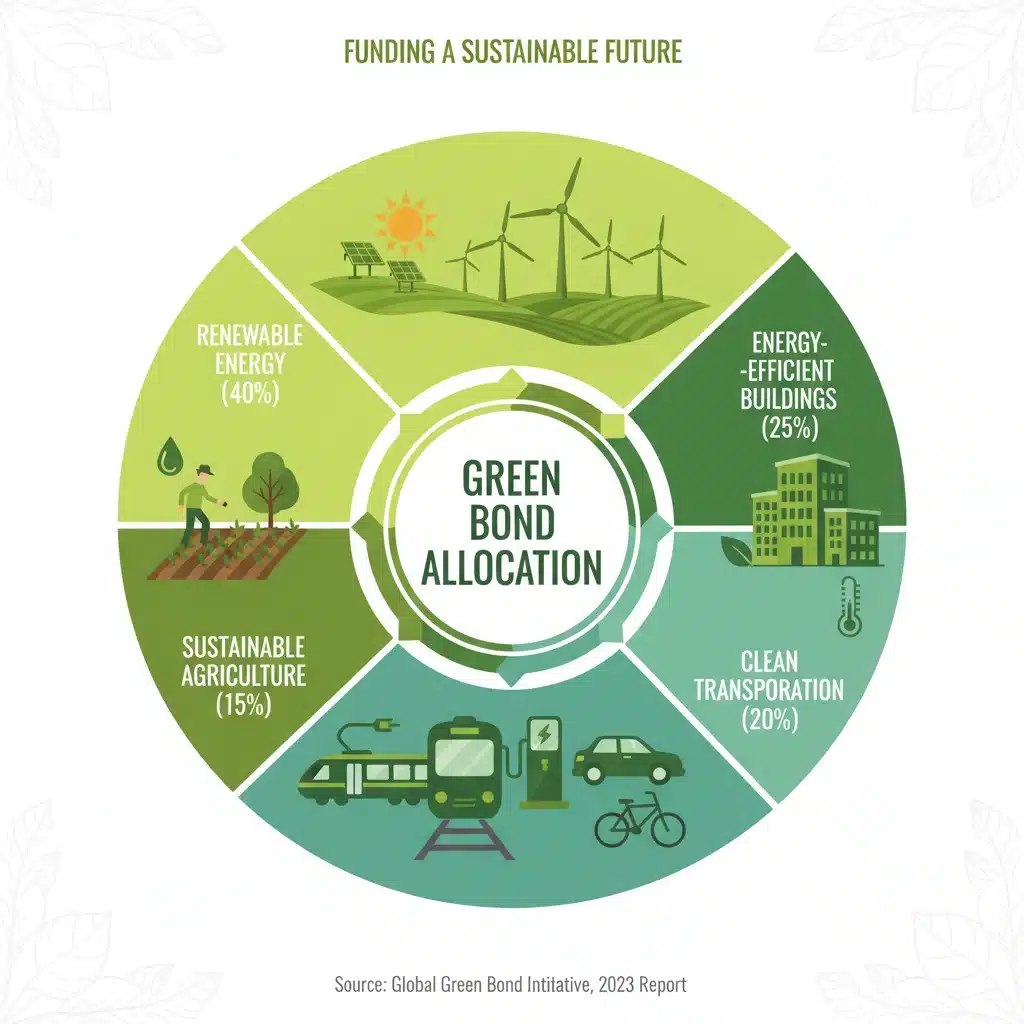
At its core, a green bond is a conventional bond with one key distinction: the proceeds are exclusively used to finance or re-finance eligible green projects. These projects typically fall into categories such as:
- Renewable energy (solar, wind, hydro)
- Energy efficiency (green buildings, smart grids)
- Sustainable waste management
- Pollution prevention and control
- Environmentally sustainable management of living natural resources and land use
- Conservation of terrestrial and aquatic biodiversity
- Clean transportation
- Sustainable water and wastewater management
To ensure credibility and prevent ‘greenwashing,’ most green bonds adhere to internationally recognized principles, such as the Green Bond Principles (GBP) published by the International Capital Market Association (ICMA). These principles provide guidelines on the use of proceeds, project evaluation and selection, management of proceeds, and reporting. Adherence to these principles is often verified by independent third-party reviewers, adding an extra layer of assurance for investors.
Market Growth Drivers for 2026
Several factors are expected to catalyze the growth of the green bond market leading up to and into 2026, making it fertile ground for High-Yield Green Bonds:
- Global Climate Commitments: The Paris Agreement and subsequent national commitments necessitate massive investments in green infrastructure. Green bonds serve as a primary financing mechanism for these initiatives.
- Regulatory Support: Governments and regulatory bodies worldwide are introducing policies and incentives to promote green finance. This includes tax breaks, subsidies, and mandates for institutional investors to consider ESG factors.
- Corporate Sustainability Agendas: An increasing number of corporations are integrating sustainability into their core business strategies, leading them to issue green bonds to fund their eco-friendly transitions.
- Investor Demand: A growing cohort of institutional and retail investors are actively seeking sustainable investment options. This demand provides liquidity and competitive pricing for green bond issuances.
- Innovation in Green Finance: The market is continually innovating with new structures and types of green financial instruments, expanding the universe of investable assets.
These drivers collectively create a robust environment for the issuance and trading of green bonds, increasing the likelihood of finding attractive opportunities for those seeking High-Yield Green Bonds.
Identifying High-Yield Green Bonds: Strategies for a Minimum 4% Return
Achieving a minimum 4% return in the green bond market requires a strategic approach that balances yield potential with credit quality and environmental integrity. While green bonds are generally considered lower risk than equities, variations in issuer creditworthiness, bond structure, and market conditions can significantly impact returns. Here’s how to identify promising High-Yield Green Bonds:
1. Assessing Issuer Creditworthiness
Like any bond investment, the credit quality of the issuer is paramount. A high yield often correlates with higher perceived risk. However, in the green bond space, a higher yield might also reflect a newer issuer, a less familiar sector, or a specific bond structure rather than inherent financial instability. Look for:
- Reputable Issuers: Established corporations, sovereign entities, and multilateral development banks often issue green bonds. While their yields might be lower, they offer stability.
- Emerging Market Issuers: Green bonds from emerging markets can sometimes offer higher yields due to perceived country risk, but careful due diligence on the issuer’s financial health is essential.
- Financial Health: Review credit ratings from agencies like Moody’s, S&P, and Fitch. Analyze financial statements, debt-to-equity ratios, and cash flow to ensure the issuer can meet its obligations.
2. Analyzing Bond Structure and Terms
The structure of the green bond can influence its yield. Consider:
- Maturity Date: Longer-dated bonds typically offer higher yields to compensate for increased interest rate risk.
- Coupon Rate: The stated interest rate. Bonds issued at a discount or premium will have different effective yields.
- Call Provisions: Bonds that can be called by the issuer before maturity might offer higher yields to compensate for this uncertainty.
- Greenium: Sometimes, green bonds trade at a ‘greenium’ – a slightly lower yield compared to conventional bonds from the same issuer, reflecting investor preference for green assets. While this can reduce yield, it also indicates strong demand and potentially greater price stability. Identifying bonds without a significant greenium, or those from less saturated segments, can unlock High-Yield Green Bonds.
3. Project-Level Impact and Verification
For green bonds, the environmental impact of the underlying projects is critical. While not directly influencing yield, it impacts the bond’s ‘green’ credibility and can affect demand. Ensure:
- Clear Use of Proceeds: The bond prospectus should clearly detail how the funds will be used for eligible green projects.
- Impact Reporting: Issuers should commit to regular reporting on the environmental impact of the projects financed, demonstrating transparency and accountability.
- Third-Party Verification: Independent reviews or certifications from organizations like the Climate Bonds Initiative (CBI) or Sustainalytics provide assurance of the bond’s green credentials.
4. Market Conditions and Sector Opportunities
Interest rate environments and specific sector developments play a crucial role. In a rising interest rate environment, newly issued bonds might offer higher yields. Furthermore, some green sectors might present more lucrative opportunities:
- Emerging Green Technologies: Bonds funding innovative, high-growth green technologies (e.g., advanced battery storage, carbon capture) might offer higher yields due to perceived novelty risk, but also significant upside.
- Infrastructure Development: Green infrastructure projects, particularly in developing economies, often require substantial capital and can issue bonds with attractive yields.
- Niche Green Sectors: Explore less common green bond segments, such as sustainable forestry or ocean conservation, where supply might be lower and demand from specific ESG mandates could drive attractive pricing.
By diligently applying these strategies, investors can increase their chances of identifying High-Yield Green Bonds that align with their financial and environmental objectives.
Risks and Mitigation in the 2026 Green Bond Market
While the allure of High-Yield Green Bonds is strong, it’s essential to acknowledge and mitigate the inherent risks. Understanding these risks is part of a robust investment strategy.
1. Interest Rate Risk
Like all fixed-income investments, green bonds are subject to interest rate risk. If market interest rates rise, the value of existing bonds with lower coupon rates typically falls. Mitigation strategies include:
- Diversification: Spread investments across bonds with varying maturities.
- Laddering: Invest in bonds that mature at different intervals, allowing for reinvestment at prevailing rates.
- Floating-Rate Green Bonds: While less common, some green bonds have floating interest rates that adjust with market benchmarks, reducing interest rate sensitivity.
2. Credit Risk
This is the risk that the bond issuer defaults on its payment obligations. This risk is particularly relevant when seeking High-Yield Green Bonds, as higher yields often imply higher credit risk. Mitigation involves:
- Thorough Credit Analysis: As discussed, evaluate the issuer’s financial health and credit ratings.
- Diversification: Avoid overconcentration in a single issuer or sector.
- Credit Default Swaps (CDS): For sophisticated investors, CDS can offer protection against default, though they add complexity and cost.
3. Liquidity Risk
Some green bonds, especially from smaller or less frequent issuers, might have lower trading volumes, making them harder to sell quickly without affecting the price. Mitigation strategies include:
- Focus on Larger Issuances: Bonds from established issuers or larger issuances tend to be more liquid.
- Long-Term Hold Strategy: If liquidity is a concern, consider these bonds as long-term holdings rather than actively traded assets.
4. Greenwashing Risk
This is the risk that a bond is marketed as ‘green’ but the underlying projects have minimal or questionable environmental benefits. This can damage investor confidence and the integrity of the green bond market. Mitigation includes:
- Verification and Standards: Prioritize bonds that adhere to recognized green bond principles (e.g., ICMA GBP) and have independent third-party verification or certification.
- Transparency: Look for issuers committed to detailed reporting on the use of proceeds and environmental impact.
By understanding and proactively addressing these risks, investors can build a more resilient portfolio of High-Yield Green Bonds.
Case Studies and Examples of Potential High-Yield Green Bonds (2026 Outlook)
While specific bond issuances for 2026 are yet to be announced, we can examine typical scenarios and sectors likely to offer High-Yield Green Bonds. These examples illustrate the types of opportunities to look for:
1. Emerging Market Renewable Energy Projects
Consider a hypothetical green bond issued by a utility company in a rapidly developing economy, aiming to finance a large-scale solar farm. These regions often have high energy demand and significant renewable potential, but also present higher perceived country risk. A bond from such an issuer, with a strong balance sheet and robust project planning, could offer yields in the 4-6% range. Due diligence would focus on the issuer’s financial stability, government support for the project, and the regulatory environment for renewable energy.
2. Innovative Green Technology Startups (via corporate bonds)
A corporate green bond from a relatively new company specializing in a cutting-edge green technology, such as advanced carbon capture or sustainable materials, could offer attractive yields. These companies might have higher growth potential but also higher risk profiles due to their nascent stage. A bond from such an issuer, perhaps with a shorter maturity, might yield 5% or more. Investors would need to evaluate the technology’s viability, market adoption potential, and the company’s funding rounds and management team.
3. Municipal Green Bonds for Green Infrastructure
Some municipalities in developed nations might issue green bonds for projects like public electric vehicle charging networks, urban green spaces, or advanced wastewater treatment facilities. While municipal bonds are generally lower risk, those from smaller municipalities or for particularly ambitious projects might offer yields closer to the 4% target. The creditworthiness of the municipality and the essential nature of the project would be key assessment points.
These examples highlight that High-Yield Green Bonds can emerge from diverse sectors and geographies. The key is to combine a thorough understanding of green bond principles with astute financial analysis.
Integrating High-Yield Green Bonds into Your Portfolio
For investors aiming for a minimum 4% return, integrating High-Yield Green Bonds into a diversified portfolio can offer both financial performance and positive impact. Here’s how to approach it:
1. Portfolio Diversification
Green bonds can provide diversification benefits, particularly for portfolios heavily weighted towards equities or traditional fixed income. Their returns may not always correlate perfectly with other asset classes, offering a potential hedge during market volatility.
2. Aligning with ESG Goals
For investors with specific ESG mandates, green bonds are a direct way to achieve environmental impact. They offer transparency regarding the use of proceeds, allowing investors to see the tangible benefits of their capital allocation.
3. Long-Term Investment Horizon
While some short-term trading opportunities may exist, green bonds are often best suited for long-term investors. Holding bonds to maturity can ensure the realization of coupon payments and principal return, mitigating short-term market fluctuations.
4. Professional Guidance
Given the evolving nature of the green bond market and the complexities of identifying true High-Yield Green Bonds, consulting with financial advisors specializing in sustainable finance can be beneficial. They can provide insights into specific issuances, market trends, and risk management strategies.
The 2026 landscape for High-Yield Green Bonds is rich with potential, but it demands a discerning eye and a commitment to due diligence. By focusing on credible issuers, robust project verification, and a clear understanding of market dynamics, investors can successfully navigate this exciting segment of the fixed-income market.

The Future of High-Yield Green Bonds Beyond 2026
The trajectory of the green bond market suggests continued growth and innovation well beyond 2026. As climate finance becomes increasingly mainstream, we can anticipate several key developments that will further shape the landscape for High-Yield Green Bonds:
1. Standardization and Harmonization
While frameworks like the Green Bond Principles are widely adopted, there is still room for greater standardization across different regions and regulatory bodies. Increased harmonization could simplify due diligence for investors and attract an even broader base of capital. This would make it easier to compare and identify true High-Yield Green Bonds globally.
2. Diversification of Issuers and Projects
The market is likely to see an even greater diversity of issuers, including more small and medium-sized enterprises (SMEs) and new types of public-private partnerships. The range of eligible green projects will also expand, incorporating emerging solutions for climate adaptation, circular economy initiatives, and biodiversity conservation, offering new avenues for high-impact, potentially High-Yield Green Bonds.
3. Enhanced Impact Measurement and Reporting
As the market matures, there will be a greater emphasis on robust, quantifiable impact measurement and reporting. Advanced analytics and AI tools could be deployed to provide more precise data on the environmental benefits of green bond-funded projects. This increased transparency will further bolster investor confidence and help differentiate genuine green investments from those with lesser impact.
4. Integration with Broader Sustainable Finance
Green bonds will increasingly be viewed as one component of a broader sustainable finance ecosystem, which also includes sustainability-linked bonds, social bonds, transition bonds, and blended finance instruments. This integration will create a more comprehensive toolkit for financing sustainable development, potentially leading to hybrid instruments that combine features to offer compelling risk-adjusted returns, including those targeted at High-Yield Green Bonds.
5. Technological Advancements
Blockchain technology could revolutionize the issuance and trading of green bonds, enhancing transparency, reducing costs, and improving liquidity. Digital green bonds could become a reality, offering fractional ownership and making sustainable investing more accessible to a wider range of investors. This technological evolution could open new doors for identifying and investing in High-Yield Green Bonds with greater efficiency.
The future of High-Yield Green Bonds is bright, driven by an accelerating global imperative for sustainability and a growing recognition of the financial opportunities it presents. By staying informed and adaptable, investors can continue to find valuable opportunities in this dynamic market.
Conclusion
The 2026 green bond market offers a compelling landscape for investors seeking both financial returns and positive environmental impact. With global commitments to sustainability deepening, the demand for green financing is set to surge, creating a fertile ground for High-Yield Green Bonds with a minimum 4% return. Identifying these opportunities requires a meticulous approach, blending traditional credit analysis with a keen understanding of green bond principles, project integrity, and market dynamics.
By assessing issuer creditworthiness, analyzing bond structures, verifying environmental impact, and understanding prevailing market conditions, investors can strategically position their portfolios. While risks such as interest rate fluctuations, credit defaults, and greenwashing exist, they can be effectively mitigated through diversification, thorough due diligence, and a commitment to transparency.
As the green bond market continues its impressive growth trajectory beyond 2026, driven by standardization, diversification, and technological advancements, the opportunities for sustainable and profitable investments will only expand. For those ready to align their financial goals with a greener future, the pursuit of High-Yield Green Bonds represents not just a sound investment strategy, but a meaningful contribution to global sustainability. Embrace the future of finance by investing in the planet, one high-yield green bond at a time.