In an era increasingly defined by environmental consciousness, the choices we make as consumers hold unprecedented power. From the food we eat to the energy we consume, every decision contributes to our planet’s future. Among these critical choices, the materials that make up our clothing and home textiles are rapidly gaining attention. Welcome to 2026, where the conversation around sustainability in textiles has evolved dramatically, placing biodegradable fabrics at the forefront of innovation and consumer interest. This comprehensive educational brief aims to decode the complexities of these remarkable materials, providing U.S. consumers with the knowledge needed to make informed, eco-conscious decisions.
Anúncios
The textile industry has long been a significant contributor to global pollution, from water usage and chemical dyes to the sheer volume of waste generated by fast fashion. Traditional synthetic fibers, such as polyester and nylon, can take hundreds of years to decompose, clogging landfills and polluting our oceans with microplastics. This grim reality has spurred a global movement towards more sustainable alternatives, and biodegradable fabrics are emerging as a beacon of hope. But what exactly does ‘biodegradable’ mean in the context of textiles, and why is it so crucial for us to understand?
Understanding Biodegradable Fabrics: A 2026 Perspective
At its core, a biodegradable fabric is one that can be naturally decomposed by microorganisms (like bacteria and fungi) into simpler, non-toxic components, returning to the earth without causing harm. This process typically requires specific environmental conditions, such as the presence of oxygen, moisture, and appropriate temperatures, which are often found in composting facilities or certain natural environments. The key distinction from ‘degradable’ or ‘compostable’ lies in the natural process and the end products being truly harmless to the ecosystem.
For U.S. consumers in 2026, understanding this distinction is vital. Many products are marketed as ‘eco-friendly’ without truly meeting stringent biodegradable criteria. Our guide to biodegradable fabrics will help you navigate this landscape, ensuring your choices genuinely support a healthier planet.
Anúncios
Why the Shift to Biodegradable is Imperative
The environmental impact of conventional textiles is staggering. According to recent reports, the average American discards around 81 pounds of clothing annually, with a vast majority ending up in landfills. This textile waste contributes to greenhouse gas emissions, leaches harmful chemicals into the soil and groundwater, and takes up valuable land. The rise of biodegradable fabrics offers a tangible solution to mitigate these issues:
- Reduced Landfill Waste: Biodegradable textiles break down naturally, significantly reducing the volume of waste in landfills.
- Minimized Microplastic Pollution: Unlike synthetic fibers, natural biodegradable materials do not shed harmful microplastics into waterways during washing or decomposition.
- Lower Carbon Footprint: Many biodegradable fibers are derived from renewable resources and often require less energy and fewer chemicals in their production compared to synthetics.
- Support for Circular Economy: These fabrics fit perfectly into a circular economy model, where materials are reused, recycled, or returned to the earth, minimizing waste and maximizing resource efficiency.
As we delve deeper into the types and benefits of biodegradable fabrics, it becomes clear that this isn’t just a trend; it’s a necessary evolution in how we consume and interact with textiles.
The Diverse World of Biodegradable Fabrics for U.S. Consumers
The innovation in textile science has led to a remarkable array of biodegradable options, each with unique properties and applications. For U.S. consumers, familiarity with these materials is the first step towards making sustainable choices.
Natural Plant-Based Fibers: The Original Biodegradables
These are the classics, revered for centuries and now undergoing a renaissance thanks to sustainable farming and processing techniques.
- Organic Cotton: A perennial favorite, organic cotton is grown without harmful pesticides or synthetic fertilizers, making it inherently biodegradable. Its comfort, breathability, and versatility make it ideal for everything from t-shirts to bed linens. When looking for biodegradable fabrics, certified organic cotton is a top choice.
- Linen (Flax): Derived from the flax plant, linen is incredibly strong, durable, and naturally biodegradable. It requires less water than cotton to grow and is known for its breathability and elegant drape, perfect for summer clothing and home textiles.
- Hemp: Often hailed as a ‘super fiber,’ hemp grows quickly with minimal water and no pesticides. It produces a strong, durable fiber that softens with age and is fully biodegradable. Its applications range from apparel to industrial textiles.
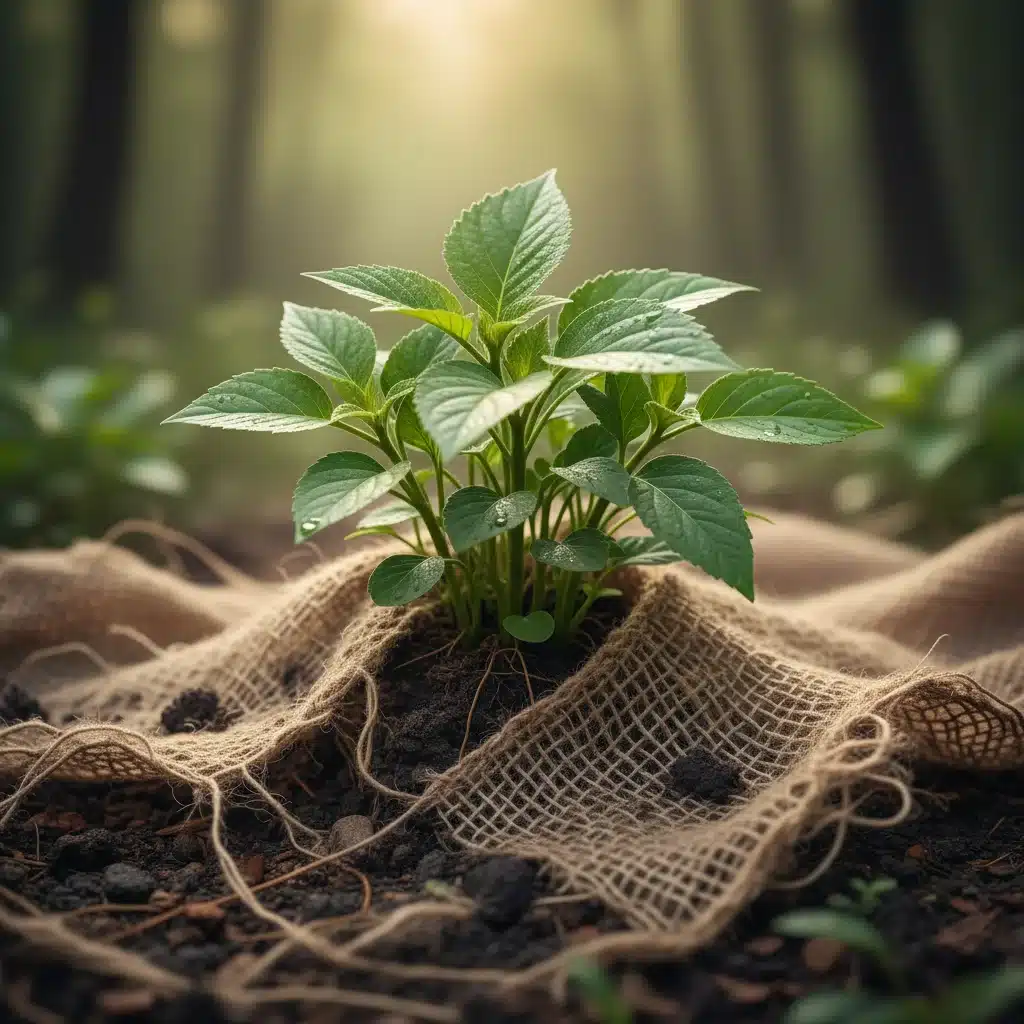
- Jute: A coarse, strong fiber primarily used for sacks, ropes, and carpet backing, jute is fully biodegradable and compostable. While not typically used for fine apparel, its industrial uses are vital for sustainable packaging and agriculture.
- Ramie: Similar to linen, ramie is a strong, lustrous fiber derived from a nettle-like plant. It’s known for its silk-like appearance and ability to hold shape, making it suitable for blends and apparel.
Innovative Cellulosic Fibers: Engineered for Sustainability
Beyond the traditional plant fibers, modern science has developed regenerated cellulosic fibers that are also biodegradable, offering new textures and performance characteristics.
- Lyocell (Tencel™): Produced from wood pulp (typically eucalyptus) using a closed-loop solvent spinning process, Lyocell is highly sustainable and biodegradable. It boasts exceptional strength, softness, and moisture-wicking properties, making it popular for activewear and luxury apparel.
- Modal (Lenzing Modal™): Another wood-based fiber, Modal is derived from beechwood pulp. It’s known for its incredible softness, smooth drape, and resistance to shrinkage and fading, often used in underwear, pajamas, and towels. It is also biodegradable.
- Viscose/Rayon (Sustainable Varieties): While traditional viscose production can be environmentally intensive, new sustainable viscose processes (e.g., from responsibly managed forests, with closed-loop systems) are emerging, offering a biodegradable alternative with a silky feel. It’s crucial to check certifications for these types.
- Cupro: Made from cotton linter (a byproduct of cotton production), Cupro is a regenerated cellulose fiber known for its silk-like drape and breathability. It is biodegradable and often used as a lining material or in delicate apparel.
Emerging Biodegradable Synthetics: The Future Frontier
While most synthetics are petroleum-based and non-biodegradable, research is advancing in creating bio-based and truly biodegradable synthetic polymers. These are still in early stages for widespread textile application but represent a promising future for biodegradable fabrics that offer performance similar to traditional synthetics.
- PLA (Polylactic Acid): Derived from renewable resources like corn starch or sugarcane, PLA is a thermoplastic polyester that can be spun into fibers. It is biodegradable under industrial composting conditions and offers properties similar to polyester, such as wrinkle resistance and moisture wicking.
- PHA (Polyhydroxyalkanoates): These are polyesters produced by bacteria, offering a range of properties similar to conventional plastics but with the advantage of being fully biodegradable in various natural environments. Their textile applications are still niche but growing.
Benefits Beyond Biodegradability: Why U.S. Consumers Should Choose These Fabrics
The advantages of opting for biodegradable fabrics extend far beyond their ability to return to the earth. For U.S. consumers, these benefits translate into direct improvements in quality of life, ethical consumption, and environmental stewardship.
Health and Comfort
- Breathability: Many natural biodegradable fibers like cotton, linen, and hemp are inherently breathable, allowing air circulation and moisture wicking, which enhances comfort, especially in warm climates.
- Hypoallergenic Properties: Fabrics like organic cotton and hemp are often less irritating to sensitive skin, as they are grown and processed without harsh chemicals or dyes.
- Softness and Feel: Regenerated cellulosic fibers like Lyocell and Modal are renowned for their luxurious softness and smooth feel against the skin.
Environmental Impact
- Reduced Chemical Exposure: Choosing organic and sustainably processed biodegradable fabrics minimizes exposure to harmful pesticides, herbicides, and toxic dyes during production and potentially in the final product.
- Water Conservation: While some natural fibers like cotton can be water-intensive, organic farming practices and fibers like hemp and linen often require significantly less water. Innovations in processing regenerated cellulosics also prioritize water efficiency.
- Soil Health: Sustainable agricultural practices for natural fibers improve soil health, promote biodiversity, and reduce erosion.
- Waste Reduction: The primary benefit – significantly less textile waste accumulating in landfills.
Ethical and Social Considerations
- Fair Labor Practices: Many brands committed to biodegradable fabrics also prioritize ethical sourcing and fair labor practices throughout their supply chains, ensuring workers are treated justly.
- Support for Sustainable Agriculture: By purchasing these fabrics, consumers support farmers and companies dedicated to environmentally responsible cultivation and production methods.
- Driving Innovation: Consumer demand for biodegradable options incentivizes further research and development in sustainable textile technologies, accelerating the shift towards a greener industry.
Navigating the Market: How to Identify and Purchase Biodegradable Fabrics in 2026
With the growing interest in sustainable living, the market for biodegradable fabrics can be overwhelming. Here’s how U.S. consumers can confidently identify and purchase genuine eco-friendly textiles.
Look for Certifications and Labels
Certifications are your best friend when it comes to verifying sustainability claims. Key certifications to look for include:
- GOTS (Global Organic Textile Standard): Ensures organic status of textiles from harvesting of the raw materials through environmentally and socially responsible manufacturing.
- OEKO-TEX Standard 100: Guarantees that textiles are free from harmful substances, though it doesn’t certify biodegradability directly, it indicates a cleaner product.
- Lenzing AG (Tencel™, Modal™): These trademarks indicate Lyocell and Modal fibers produced with high environmental standards, including responsible sourcing and closed-loop processes.
- Cradle to Cradle Certified™: Assesses products for environmental and social performance across five categories: material health, material reutilization, renewable energy and carbon management, water stewardship, and social fairness.
- USDA Organic: For raw fiber materials like cotton.
- Compostable Certifications (e.g., BPI, TÜV AUSTRIA): For products specifically designed to be composted, ensuring they break down completely in industrial composting facilities.
Read Product Descriptions Carefully
Brands committed to sustainability will often provide detailed information about their materials, sourcing, and manufacturing processes. Look for keywords like ‘100% biodegradable,’ ‘organic,’ ‘compostable,’ ‘plant-based,’ and specific fiber names (e.g., ‘Lyocell,’ ‘Hemp’). Be wary of vague terms like ‘eco-friendly’ or ‘green’ without supporting details or certifications.
Understand Blends
Many garments are made from fabric blends. A fabric that is 90% organic cotton and 10% spandex (a synthetic) will not be fully biodegradable. While such blends might offer performance benefits, it’s important to understand that the synthetic component will likely remain in the environment long after the natural fibers have decomposed. For true biodegradability, aim for 100% natural or certified biodegradable fibers.
Consider the End-of-Life
Even biodegradable fabrics need the right conditions to decompose. Learn about local composting facilities that accept textiles, or consider at-home composting for suitable items. If composting isn’t an option, donating or recycling still extends the life of the garment before its final disposal. The goal is to keep these materials out of landfills for as long as possible, and then ensure they can return to nature gracefully.
The Future of Biodegradable Fabrics: Innovations on the Horizon
The journey towards a fully sustainable textile industry is ongoing, and the field of biodegradable fabrics is constantly evolving. What can U.S. consumers expect in the coming years?
- Advanced Bio-Based Polymers: Expect to see more innovative synthetic-like fibers derived from plant sugars, algae, or even food waste, offering high performance with full biodegradability.
- Fungi-Based Materials: Mycelium (the root structure of mushrooms) is being explored to create leather-like and foam-like materials that are fully biodegradable and offer unique textures.
- Enhanced Recycling Technologies: Alongside biodegradability, advancements in fiber-to-fiber recycling for natural materials will create a truly closed-loop system, minimizing the need for virgin resources.
- Transparent Supply Chains: Blockchain technology and advanced tracking systems will make it easier for consumers to verify the origin and sustainability credentials of their purchases, ensuring true accountability.
- Consumer Education and Infrastructure: Increased public awareness and the development of better infrastructure for textile composting will make it easier for consumers to properly dispose of biodegradable items.
Making the Switch: Practical Tips for U.S. Consumers
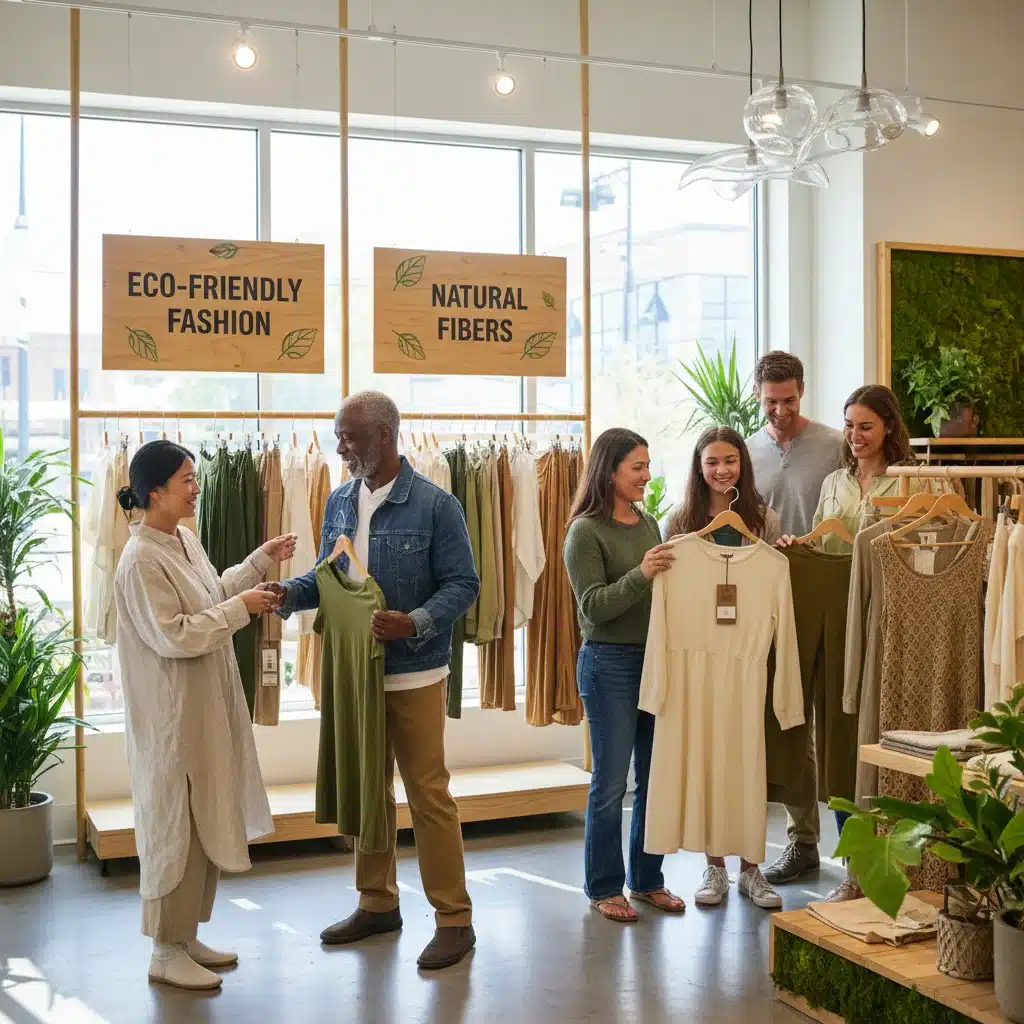
Embracing biodegradable fabrics doesn’t have to be an overnight overhaul of your wardrobe. Here are some practical steps U.S. consumers can take:
- Start Small: Begin by replacing everyday items like t-shirts, underwear, or socks with organic cotton or Tencel™ alternatives.
- Research Brands: Support brands that are transparent about their materials and production processes. A quick search for a brand’s sustainability report can be very enlightening.
- Read Labels: Always check the fabric composition tag before purchasing.
- Invest in Quality: Biodegradable doesn’t mean disposable. High-quality natural fibers are often more durable and long-lasting than their synthetic counterparts, reducing the need for frequent replacements.
- Care for Your Garments: Proper care (washing in cold water, air drying) extends the life of any garment, regardless of its material, further reducing environmental impact.
- Educate Others: Share your knowledge with friends and family, helping to spread awareness about the benefits of sustainable textiles.
Conclusion: Embracing a Sustainable Textile Future with Biodegradable Fabrics
As we navigate 2026 and look towards the future, the importance of sustainable consumption cannot be overstated. Biodegradable fabrics represent a critical pathway to reducing our environmental footprint, fostering a healthier planet, and supporting a more ethical industry. By understanding what these fabrics are, recognizing their benefits, and knowing how to identify them, U.S. consumers can become powerful agents of change.
The shift towards biodegradable textiles is more than just a trend; it’s a fundamental change in our relationship with materials. It’s about choosing products that not only serve our needs but also respect the earth’s delicate balance. Let’s embrace this innovation, make conscious choices, and weave a more sustainable future, one biodegradable thread at a time.