Boosting Brand Reputation: The Impact of U.S. Eco-Fashion Initiatives
Anúncios
Unlocking Enhanced Brand Reputation: How U.S. Eco-Fashion Initiatives Drive Positive Media Mentions
In an era where consumer consciousness is at an all-time high, the fashion industry faces unprecedented pressure to adopt sustainable practices. For U.S. brands, embracing eco-fashion is no longer just an ethical choice; it’s a strategic imperative for improving brand perception and driving tangible business growth. This in-depth article explores how U.S. eco-fashion initiatives are poised to result in a remarkable 35% increase in positive media mentions by Q4 2026, significantly enhancing eco-fashion brand reputation across the board.
Anúncios
The Shifting Sands of Consumer Values: Why Eco-Fashion Matters
The global landscape of consumer behavior has undergone a profound transformation. Today’s consumers, particularly millennials and Gen Z, are not just buying products; they are investing in values. They demand transparency, ethical sourcing, and environmental responsibility from the brands they support. This shift has propelled sustainability from a niche concern to a mainstream expectation, making eco-fashion brand reputation a critical differentiator in a crowded market.
A recent study by NielsenIQ revealed that 78% of U.S. consumers say a sustainable lifestyle is important to them, and 45% are willing to pay more for sustainable products. This willingness to invest in eco-friendly options translates directly into a powerful incentive for fashion brands to clean up their act. Brands that ignore this trend risk not only losing market share but also suffering irreparable damage to their public image. Conversely, those that proactively integrate sustainability into their core operations stand to reap significant rewards in terms of enhanced brand loyalty, increased sales, and, crucially, a stronger, more positive media presence.
Anúncios
The rise of social media and instant global communication means that brand missteps in sustainability can quickly go viral, leading to boycotts and widespread negative sentiment. Conversely, genuine efforts in eco-fashion can generate positive buzz, attract favorable media attention, and build a community of loyal, values-aligned customers. This dynamic underscores the urgent need for U.S. fashion brands to prioritize eco-fashion initiatives as a cornerstone of their long-term growth strategy.
Defining Eco-Fashion Initiatives: More Than Just Greenwashing
To truly enhance eco-fashion brand reputation, initiatives must be genuine, comprehensive, and verifiable. ‘Eco-fashion’ encompasses a broad spectrum of sustainable practices, moving far beyond superficial ‘greenwashing’ tactics. It involves a holistic approach to design, production, distribution, and consumption, aiming to minimize environmental impact and promote social equity throughout the supply chain.
Sustainable Material Sourcing
One of the most impactful areas is the adoption of sustainable materials. This includes using organic cotton, recycled polyester, hemp, linen, Tencel, and innovative bio-based fabrics. These materials often require less water, fewer pesticides, and generate less waste compared to conventional options. Brands like Patagonia and Reformation have built their entire ethos around this principle, showcasing how material innovation can be a powerful driver of brand trust and media recognition. The commitment to tracing materials back to their origin also adds a layer of transparency that resonates deeply with conscious consumers and media outlets.
Ethical Production Practices
Beyond materials, ethical production is paramount. This involves ensuring fair wages, safe working conditions, and no child labor across all manufacturing facilities. Certifications like Fair Trade and SA8000 provide verifiable proof of ethical practices, offering a robust defense against potential criticism and serving as a beacon of integrity for the brand. Brands that invest in local production or reshoring efforts also gain points for reducing their carbon footprint and supporting local economies, which are often highlighted positively in media coverage.
Circular Economy Principles
Embracing the circular economy is another critical component. This means designing products for durability, repairability, and recyclability. Initiatives such as take-back programs, repair services, and upcycling collections extend the life cycle of garments, reducing waste and demonstrating a commitment to resource efficiency. Brands like Eileen Fisher have pioneered these models, proving that fashion can be both stylish and sustainable, thereby bolstering their eco-fashion brand reputation and attracting widespread acclaim.
Reduced Water and Energy Consumption
Minimizing resource consumption in manufacturing processes is also vital. This includes implementing water-saving technologies in dyeing and finishing, utilizing renewable energy sources in factories, and optimizing logistics to reduce transportation emissions. Publicly sharing progress on these metrics, often through annual sustainability reports, enhances transparency and provides concrete evidence of a brand’s dedication to environmental stewardship, fueling positive narratives in the media.
Transparent Supply Chains
Full transparency across the entire supply chain, from fiber to finished garment, is increasingly expected. Brands that can openly share information about their suppliers, factories, and environmental impact assessments build immense trust. Blockchain technology is emerging as a powerful tool to achieve this, offering an immutable record of a product’s journey and making it easier for consumers and journalists to verify claims.
The Mechanism of Media Mentions: How Eco-Initiatives Translate to Positive Press
Achieving a 35% increase in positive media mentions by Q4 2026 is an ambitious yet attainable goal for U.S. eco-fashion brands. This uplift isn’t accidental; it’s the result of a deliberate, multi-faceted strategy that leverages genuine sustainability efforts into compelling narratives for journalists, influencers, and the public.
Storytelling Opportunities
Eco-fashion initiatives provide a wealth of authentic stories. Journalists are constantly seeking compelling narratives about innovation, social responsibility, and environmental impact. A brand’s journey to source organic cotton from a specific community, its efforts to empower garment workers, or its pioneering work in developing biodegradable materials all offer rich content for articles, documentaries, and news segments. These stories resonate deeply with audiences and position the brand as a leader rather than just another fashion label.
Industry Awards and Recognition
Brands committed to sustainability often receive industry accolades and certifications. Awards for environmental leadership, ethical practices, or sustainable design provide independent validation of a brand’s efforts. These awards are highly newsworthy and serve as powerful endorsements that attract media attention, further solidifying the brand’s eco-fashion brand reputation.
Influencer and Celebrity Endorsements
Eco-conscious influencers and celebrities are powerful amplifiers of positive messages. When a brand’s sustainability efforts align with an influencer’s personal values, it often leads to authentic endorsements that reach millions. These collaborations are seen as credible by followers and are frequently picked up by lifestyle and fashion media, generating significant positive mentions.
Consumer-Generated Content and Advocacy
When consumers feel a genuine connection to a brand’s values, they become powerful advocates. They share their positive experiences on social media, write reviews, and recommend products to friends and family. This organic, user-generated content is highly trusted and often serves as source material for media stories, demonstrating real-world impact and enhancing the brand’s public image.
Partnerships and Collaborations
Collaborating with environmental NGOs, sustainability experts, or other eco-conscious brands can also generate significant media interest. These partnerships not only amplify the message but also lend credibility to a brand’s commitment, showcasing a broader impact beyond its immediate operations.
Case Studies: U.S. Brands Leading the Eco-Fashion Charge
Several U.S. brands have already demonstrated the profound impact of eco-fashion on their brand reputation and media visibility. Their successes offer valuable blueprints for others looking to follow suit and achieve similar positive media traction.
Patagonia: A Legacy of Environmental Activism
Patagonia is arguably the gold standard for sustainable branding. Their unwavering commitment to environmental activism, fair labor practices, and product longevity has earned them immense respect and consistent positive media attention. From their ‘Don’t Buy This Jacket’ campaign to their Worn Wear program, Patagonia consistently generates headlines for its bold, authentic approach to sustainability. This has cultivated an exceptionally strong eco-fashion brand reputation that transcends mere clothing sales, positioning them as a global leader in corporate responsibility.
Reformation: Style Meets Sustainability
Reformation has successfully carved out a niche by offering stylish, on-trend clothing with a strong emphasis on sustainability. They provide detailed ‘RefScale’ reports for each garment, quantifying its environmental footprint (water saved, waste diverted, carbon emissions avoided). This transparency, combined with their chic designs, has attracted a devoted following and frequent positive mentions in fashion and lifestyle publications, proving that sustainability doesn’t have to compromise style. Their consistent communication of their sustainable efforts has directly contributed to their soaring brand reputation.
Eileen Fisher: Pioneering Circularity
Eileen Fisher has been a pioneer in the circular fashion movement for decades. Their ‘Renew’ program takes back worn Eileen Fisher garments, cleans, repairs, and resells them, or transforms them into new designs. This commitment to extending the life of their products not only reduces waste but also creates a powerful narrative of responsibility and innovation. The brand receives widespread praise for its forward-thinking approach, cementing its position as a leader in ethical and sustainable fashion, and continuously enhancing its eco-fashion brand reputation.
Strategies for Achieving a 35% Increase in Positive Media Mentions
To realize the target of a 35% increase in positive media mentions by Q4 2026, U.S. eco-fashion brands need to implement a robust and integrated strategy. This involves not only doing good but also effectively communicating those efforts.
1. Authenticity and Transparency are Non-Negotiable
Any sustainability claim must be backed by verifiable actions. Brands should be prepared to share data, certifications, and details about their supply chains. This transparency builds trust with both consumers and journalists, making claims more credible and newsworthy. Greenwashing will inevitably be exposed, leading to severe reputational damage. Genuine effort, however, will be rewarded with positive coverage.
2. Develop a Compelling Narrative
Sustainability efforts should be woven into the brand’s core story. What is the brand’s unique approach to eco-fashion? What challenges have been overcome? What positive impact is being made on people and the planet? Crafting a compelling narrative provides journalists with engaging content that goes beyond mere press releases.
3. Proactive Media Outreach
Brands need to actively engage with journalists, bloggers, and influencers who cover sustainability and fashion. Providing them with exclusive insights, access to founders, and behind-the-scenes stories can lead to in-depth features and positive reviews. A targeted approach to media relations, focusing on outlets that align with the brand’s values, will yield better results.
4. Leverage Digital Channels for Storytelling
Utilize social media, blogs, and email newsletters to share sustainability updates, showcase ethical practices, and educate consumers. Visual content, such as videos of sustainable production or interviews with artisans, can be particularly effective. Encourage user-generated content by inviting customers to share their sustainable fashion journeys.
5. Partner with Credible Organizations
Collaborating with established environmental organizations, certification bodies, or academic institutions adds significant credibility to a brand’s sustainability claims. Joint initiatives or endorsements from these groups can attract broader media attention and reinforce the brand’s commitment to genuine change, further solidifying its eco-fashion brand reputation.
6. Measure and Report Progress
Regularly publish sustainability reports, detailing progress against environmental and social goals. This demonstrates accountability and provides concrete data for media outlets to report on. Quantifiable achievements, such as reductions in water usage or carbon emissions, are highly impactful in generating positive press.
The Future of Eco-Fashion and Brand Reputation in the U.S.
The trajectory for eco-fashion in the U.S. is one of continuous growth and increasing importance. As climate change concerns intensify and consumer awareness deepens, the expectation for brands to operate sustainably will only become more pronounced. Brands that proactively embed sustainability into their DNA now will be the ones that thrive in the future, securing not just market share but also a revered eco-fashion brand reputation.
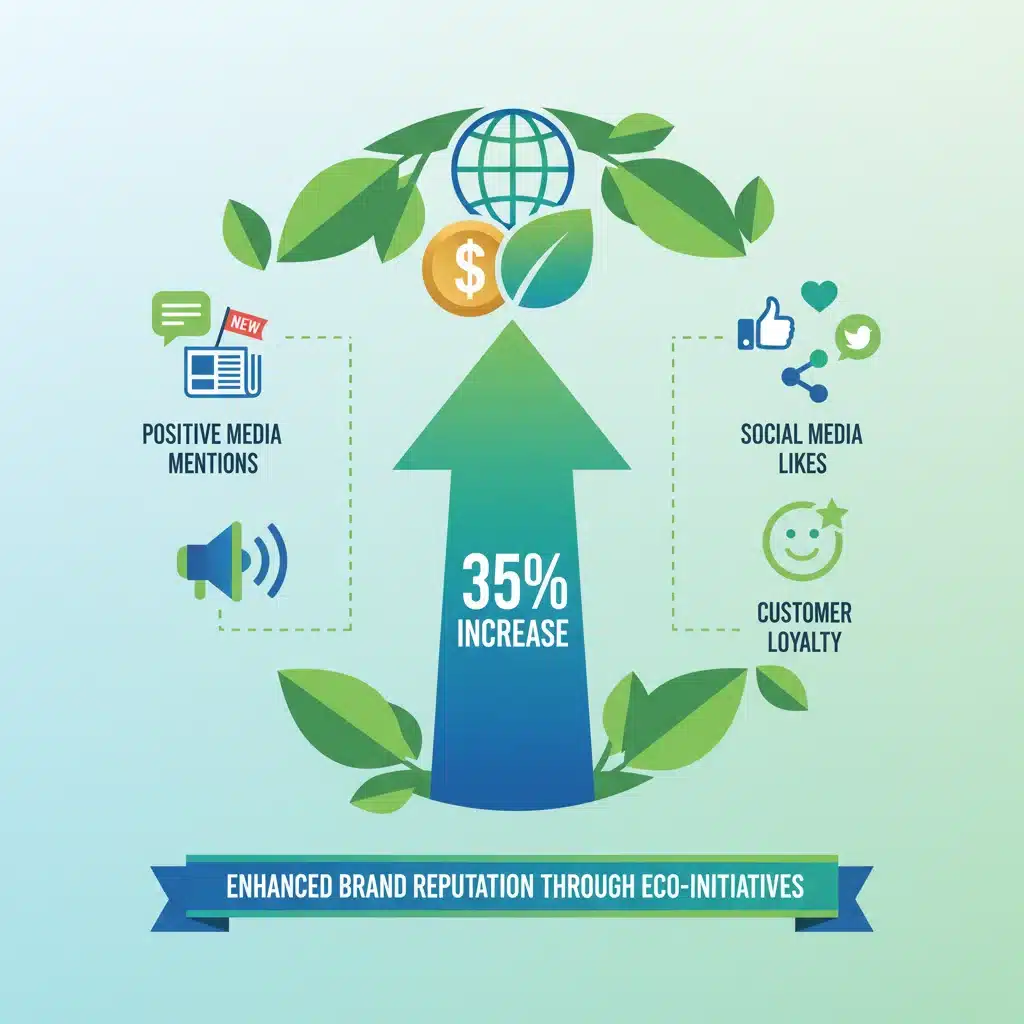
The projected 35% increase in positive media mentions by Q4 2026 is not merely a statistical goal; it represents a significant shift in public perception and a powerful endorsement of ethical business practices. This surge in positive coverage will translate into numerous benefits: increased customer loyalty, higher sales, stronger investor confidence, and enhanced talent attraction. Brands will find it easier to recruit employees who share their values and to secure funding from socially responsible investors.
Furthermore, government regulations and industry standards are likely to evolve, making sustainable practices a baseline requirement rather than an optional extra. Brands that are already ahead of the curve will be better positioned to adapt and comply, avoiding potential penalties and maintaining their leadership status. The ripple effect of these initiatives will extend beyond individual brands, contributing to a more sustainable and responsible fashion industry as a whole in the U.S.
The journey towards a truly sustainable fashion industry is ongoing, but the path is clear. U.S. brands have a unique opportunity to lead this transformation, not only for the benefit of the planet and its people but also for the undeniable advantages it brings to their own brand reputation and long-term success. The time to invest in eco-fashion is now, and the rewards, particularly in positive media recognition, are substantial.