Investor Confidence Soars: US Eco-Fashion Sector Hits 5-Year High
Anúncios
Investor Confidence in US Eco-Fashion Sector Reaches 5-Year High in Q1 2026, Per New Analysis
Anúncios
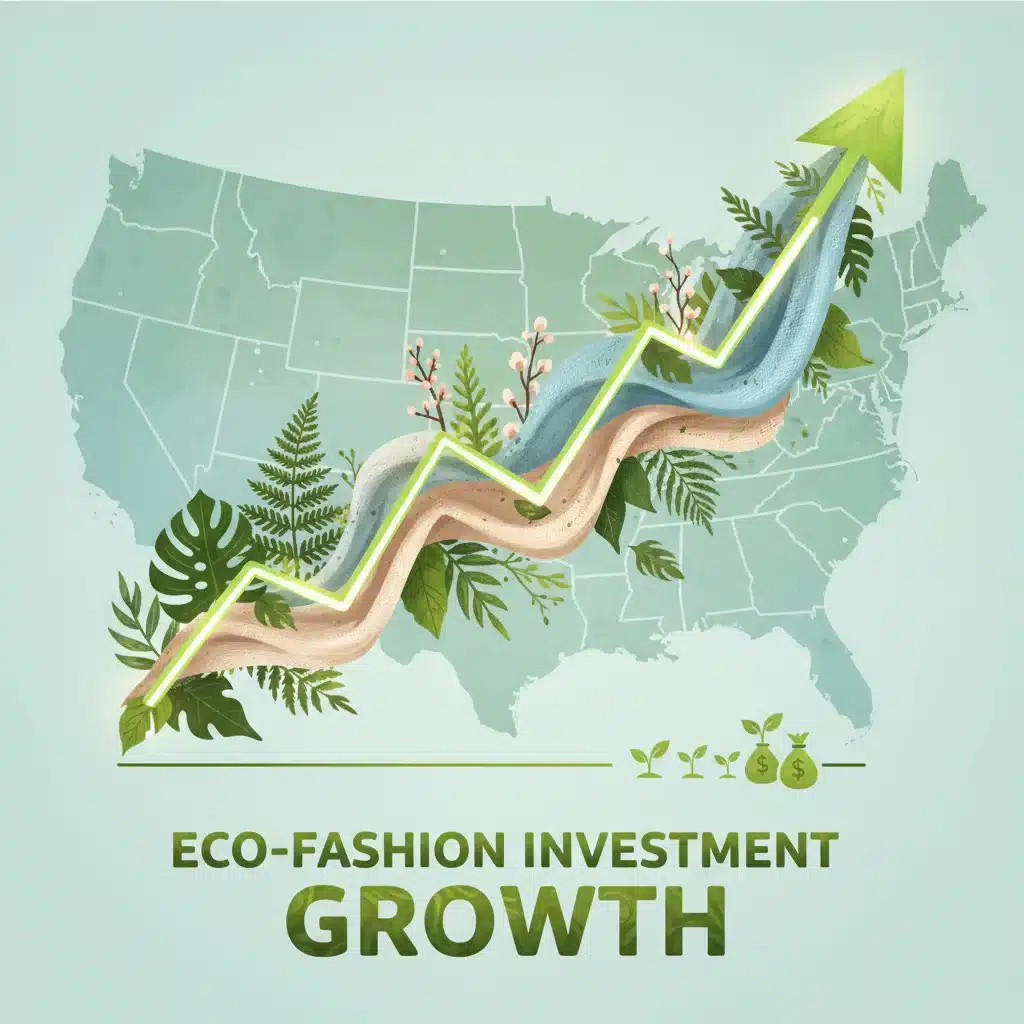
The landscape of the US fashion industry is undergoing a transformative shift, with a spotlight firmly fixed on sustainability. A groundbreaking new analysis reveals that investor confidence in the US eco-fashion sector has soared to an unprecedented 5-year high in the first quarter of 2026. This significant milestone underscores a growing recognition of the economic viability and long-term potential of environmentally conscious fashion. The data, compiled from a comprehensive review of venture capital funding, public market performance of sustainable brands, and strategic corporate investments, paints a vivid picture of a sector poised for exponential growth. This surge in eco-fashion investment is not merely a fleeting trend but a robust indicator of a fundamental re-evaluation of market values, driven by evolving consumer preferences, stringent environmental regulations, and a collective desire for a more sustainable future.
For years, sustainable fashion was often relegated to a niche market, perceived by some as a less profitable alternative to mainstream fast fashion. However, this perception has dramatically shifted. The Q1 2026 analysis highlights a confluence of factors contributing to this newfound investor enthusiasm. From innovative material science to transparent supply chain management, eco-fashion brands are demonstrating that profitability and planet-friendly practices are not mutually exclusive. This article delves into the intricate details of this report, exploring the key drivers behind this surge in investor confidence, the emerging trends shaping the eco-fashion landscape, and what this means for the future of the US fashion industry.
Anúncios
Understanding the Surge in Eco-Fashion Investment
Several pivotal factors have converged to propel eco-fashion investment to its current peak. At the forefront is the undeniable shift in consumer behavior. Modern consumers, particularly younger generations, are increasingly prioritizing ethical and sustainable practices when making purchasing decisions. They are more informed about the environmental and social impacts of their clothing choices and are actively seeking out brands that align with their values. This demand-side pressure has created a fertile ground for sustainable brands to thrive, attracting the attention of astute investors.
Beyond consumer demand, technological advancements in sustainable materials and production processes have significantly de-risked investments in the sector. Innovations in fabrics made from recycled plastics, organic cotton, hemp, and even agricultural waste are making eco-friendly alternatives more accessible, durable, and aesthetically appealing. Furthermore, advancements in closed-loop manufacturing, water-saving dyeing techniques, and renewable energy integration in textile production are reducing the environmental footprint of fashion while simultaneously enhancing operational efficiencies and reducing long-term costs. These technological leaps provide tangible evidence of the scalability and profitability of sustainable models, further bolstering investor confidence.
Regulatory frameworks and corporate social responsibility (CSR) initiatives also play a crucial role. Governments worldwide, including in the US, are implementing stricter environmental regulations, pushing industries towards more sustainable practices. For fashion companies, this means a greater imperative to adopt eco-friendly approaches to avoid penalties and maintain a positive public image. Forward-thinking investors recognize that companies with strong ESG (Environmental, Social, and Governance) credentials are not only more resilient to regulatory changes but also more appealing to a socially conscious customer base. This proactive embrace of sustainability is seen as a strategic advantage, driving significant eco-fashion investment.
Key Drivers Behind the Q1 2026 High
The first quarter of 2026 was particularly remarkable for the US eco-fashion sector. A deep dive into the analysis reveals specific catalysts that pushed investor confidence to its highest point in five years. One major factor was the announcement of several high-profile strategic partnerships between established fashion giants and innovative eco-fashion startups. These collaborations not only infused capital into nascent sustainable brands but also provided them with invaluable market access and credibility, signaling to the broader investment community that eco-fashion is a serious contender.
Another significant driver was the impressive financial performance reported by several publicly traded eco-fashion companies. Strong revenue growth, improved profit margins, and expanding market shares demonstrated that sustainable business models can indeed deliver robust returns. These success stories served as powerful proof points, dispelling lingering doubts about the commercial viability of ethical fashion and attracting a new wave of capital seeking both financial gains and positive impact. The data showed a clear correlation between transparent sustainability reporting and positive investor sentiment, indicating that accountability is highly valued.
Furthermore, the increasing availability of specialized green investment funds and impact investing vehicles has channeled significant capital towards the sector. These funds are specifically designed to support companies that generate measurable social and environmental impact alongside financial returns. Their growing presence has made it easier for eco-fashion brands to secure funding, accelerating their growth and innovation. This dedicated financial infrastructure is a testament to the maturation of the sustainable investment landscape and its direct impact on eco-fashion investment levels.
Emerging Trends Fueling Sustainable Fashion Growth
The surge in eco-fashion investment is also being propelled by several exciting emerging trends within the sustainable fashion ecosystem. One such trend is the rise of circular fashion models. Brands are increasingly exploring ways to design products for longevity, repairability, and recyclability, moving away from the linear ‘take-make-dispose’ model. This includes initiatives like clothing rental services, resale platforms, and take-back programs that allow consumers to return old garments for recycling or upcycling. These circular strategies not only reduce waste but also create new revenue streams and foster customer loyalty, making them attractive to investors.

Another powerful trend is the emphasis on supply chain transparency and traceability. Consumers and investors alike are demanding to know where and how their clothes are made, from the origin of raw materials to the working conditions in factories. Brands that can provide verifiable information about their ethical sourcing and production practices are gaining a significant competitive edge. Blockchain technology is emerging as a key tool in achieving this transparency, allowing for immutable records of a garment’s journey from farm to closet. Investments in such technologies are seen as crucial for building trust and ensuring long-term success in the eco-fashion market.
The personalization and customization of sustainable fashion are also gaining traction. As mass production comes under scrutiny for its environmental impact, consumers are gravitating towards unique, made-to-order pieces that reflect their individual style and values. This trend often involves local production, reduced waste from overstock, and a stronger connection between designer and consumer. While challenging to scale, innovative business models are emerging that leverage technology to offer personalized sustainable fashion at a more accessible price point, attracting venture capital interested in disruptive market approaches.
Challenges and Opportunities in the Eco-Fashion Landscape
Despite the high investor confidence, the eco-fashion sector is not without its challenges. Scaling sustainable production while maintaining ethical standards can be complex and costly. The development of new eco-friendly materials often requires significant research and development investment, and establishing transparent supply chains across global networks demands meticulous effort. Moreover, the industry faces the ongoing battle against ‘greenwashing,’ where brands make unsubstantiated claims about their sustainability practices. This can erode consumer trust and make it difficult for genuinely sustainable brands to differentiate themselves.
However, these challenges also present significant opportunities for innovation and leadership. Companies that can effectively overcome these hurdles are likely to emerge as market leaders. For investors, this means identifying brands with robust sustainability strategies, verifiable impact metrics, and a clear commitment to ethical practices. Opportunities abound in areas such as biotech textiles, waterless dyeing technologies, advanced recycling infrastructure, and platforms that facilitate circular fashion models. The demand for solutions to these challenges is fueling further eco-fashion investment, creating a virtuous cycle of innovation and growth.
Another crucial opportunity lies in education and consumer engagement. As more consumers become aware of the environmental impact of their clothing, there’s a growing need for brands to clearly communicate their sustainable values and practices. Effective storytelling, transparent labeling, and engaging marketing campaigns can help build a strong brand identity and foster a loyal customer base. Investors are keenly observing brands that not only produce sustainable products but also effectively educate and empower their consumers to make more conscious choices.
The Impact of Policy and Regulation on Investor Confidence
Government policies and international regulations play a significant role in shaping investor confidence in the eco-fashion sector. In Q1 2026, several policy discussions and legislative proposals at both federal and state levels in the US signaled a stronger commitment to environmental protection and sustainable manufacturing. These signals reassured investors that the shift towards sustainability is not just market-driven but also supported by a robust regulatory framework, reducing the risk associated with long-term investments in eco-friendly ventures.
For instance, potential carbon pricing mechanisms or incentives for using recycled materials could dramatically alter the economic calculus for fashion brands, making sustainable practices more financially attractive. Similarly, stricter regulations on chemical use in textile production or mandates for waste reduction can drive innovation and adoption of cleaner technologies. Savvy investors are closely monitoring these policy developments, understanding that early movers in adapting to new regulations will gain a competitive advantage and demonstrate greater resilience, thereby enhancing their appeal for eco-fashion investment.
Beyond direct legislation, government-backed research grants and funding for sustainable material science or clean production technologies also act as powerful catalysts. These initiatives help de-risk early-stage innovation, allowing promising eco-fashion startups to develop and scale their solutions. Such support systems are vital for fostering an ecosystem where sustainable fashion can flourish, providing a stable foundation for increased investor confidence and sustained growth in the sector.
Future Outlook: Sustaining the Momentum of Eco-Fashion Investment
The record-high investor confidence in the US eco-fashion sector in Q1 2026 is a clear indication that sustainable fashion is no longer a niche market but a rapidly expanding and financially attractive segment of the global apparel industry. To sustain this momentum, continued innovation, robust policy support, and unwavering consumer demand will be essential. The industry must continue to push boundaries in material science, circular design, and transparent supply chains, demonstrating that sustainability can go hand-in-hand with profitability and style.
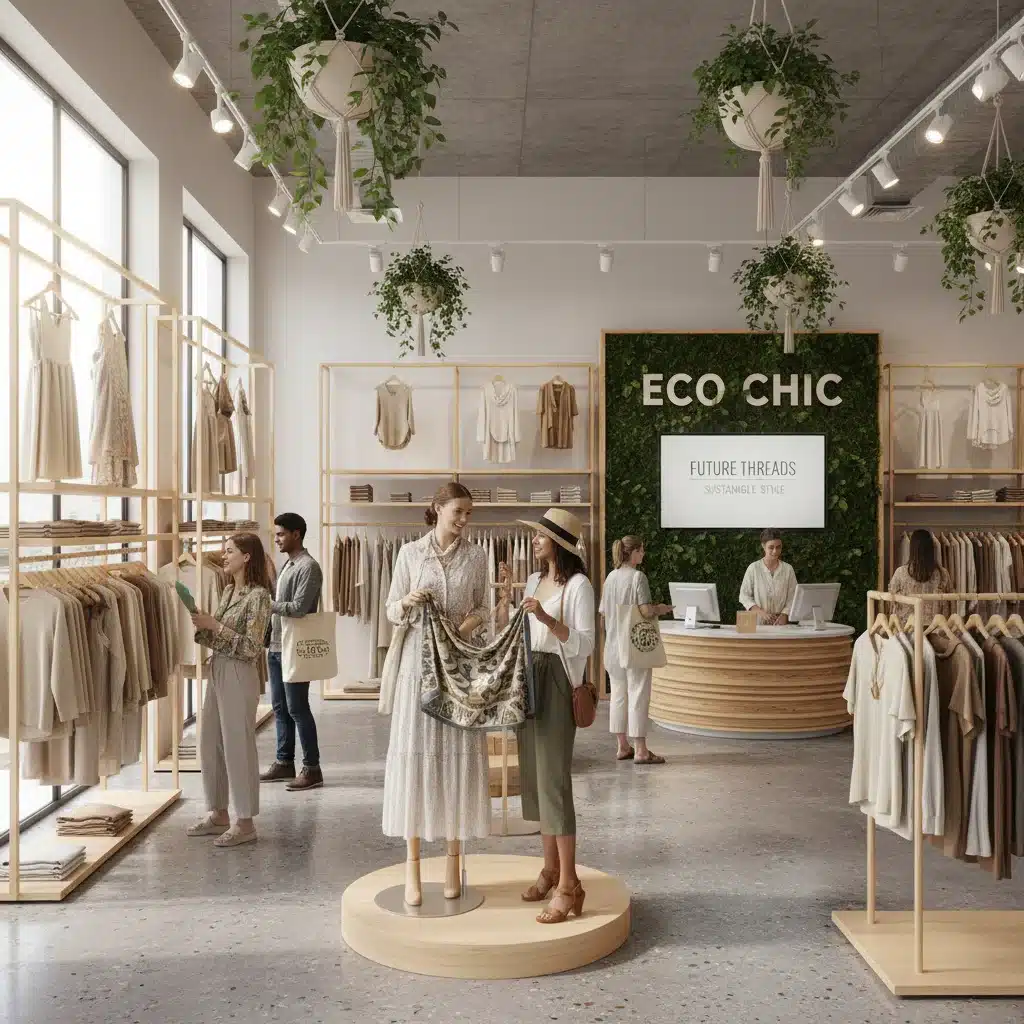
Looking ahead, we can anticipate further consolidation in the market, with larger fashion groups acquiring smaller, innovative eco-fashion brands to integrate sustainable practices into their core operations. This trend will likely lead to even greater capital inflows and accelerate the mainstreaming of sustainable fashion. Furthermore, increased collaboration across the supply chain, from raw material suppliers to retailers, will be crucial in building a truly circular and responsible fashion ecosystem. This collaborative spirit will further solidify eco-fashion investment as a smart, forward-thinking choice.
The analysis suggests that the upward trajectory of investor confidence is likely to continue throughout 2026 and beyond, provided that the industry maintains its commitment to genuine sustainability and effectively communicates its progress. As environmental concerns become increasingly pressing and consumers become more discerning, the eco-fashion sector is uniquely positioned to offer solutions that benefit both people and the planet, while also delivering attractive financial returns. This makes eco-fashion investment not just an ethical choice, but a strategically sound one for the future.
Conclusion
The new analysis for Q1 2026 unequivocally demonstrates a historic surge in investor confidence within the US eco-fashion sector, reaching a five-year high. This remarkable growth is a testament to the power of shifting consumer values, groundbreaking technological advancements, and supportive policy environments. The sector has moved beyond its niche status to become a significant player in the broader fashion industry, attracting substantial capital and fostering innovative business models.
As we look to the future, the momentum behind eco-fashion investment is expected to continue building. Brands that prioritize genuine sustainability, transparency, and circularity will not only gain a competitive edge but also contribute to a more resilient and responsible global economy. For investors, the eco-fashion sector represents a compelling opportunity to align financial goals with positive environmental and social impact, proving that doing good can indeed lead to doing well. The era of sustainable fashion is not just arriving; it is flourishing, driven by smart investments and a collective vision for a better future.