Greenwashing Laws US 2026: What Businesses Need to Know
Anúncios
The landscape of corporate environmental claims in the United States is on the precipice of a seismic shift. As consumer awareness of ecological issues grows, so does the scrutiny applied to companies’ ‘green’ credentials. This heightened vigilance, fueled by robust consumer advocacy groups, is directly translating into legislative action. Businesses operating in the US should prepare for significantly stricter Greenwashing Laws US, with new regulations expected to take effect as early as Q4 2026. This comprehensive guide delves into the forces driving this change, the potential shape of the upcoming legislation, and what companies can do now to ensure compliance and avoid costly penalties.
Anúncios
The Rising Tide of Consumer Scrutiny and Advocacy Against Greenwashing
For years, companies have leveraged environmental claims – often vague, sometimes misleading – to appeal to an increasingly eco-conscious consumer base. Terms like ‘eco-friendly,’ ‘sustainable,’ ‘natural,’ and ‘green’ have been plastered across products and marketing materials, frequently without verifiable proof or substantial environmental benefit. This practice, known as greenwashing, has long been a concern for environmentalists and ethical consumers. However, what was once a niche concern has now moved into the mainstream, thanks largely to the relentless efforts of consumer advocacy groups.
These organizations have played a pivotal role in educating the public about deceptive environmental marketing. Through investigative reports, public awareness campaigns, and direct lobbying, they have shone a spotlight on corporate greenwashing, exposing its prevalence and the harm it inflicts. Consumers, armed with more information, are now far more discerning. They are no longer content with surface-level green claims; they demand transparency, verifiable data, and genuine commitment to environmental stewardship. This shift in consumer sentiment is a powerful catalyst for legislative change, making the push for stronger Greenwashing Laws US an inevitability.
Defining Greenwashing: More Than Just Misleading Ads
Before diving into the legislative specifics, it’s crucial to understand the multifaceted nature of greenwashing. It’s not just about outright false advertising. Greenwashing encompasses a spectrum of misleading practices, including:
Anúncios
- Hidden Trade-offs: Highlighting one green attribute while ignoring more significant environmental harms (e.g., ‘organic’ cotton grown with excessive water use).
- No Proof: Making environmental claims without providing accessible evidence or third-party certification.
- Vagueness: Using broad, undefined terms like ‘all-natural’ or ‘earth-friendly’ that lack specific meaning.
- Irrelevance: Boasting about an environmentally sound practice that is legally required anyway (e.g., ‘CFC-free’ when CFCs are banned).
- Lesser of Two Evils: Promoting a product as ‘green’ compared to an even worse alternative, without addressing the overall unsustainability of the product category (e.g., ‘fuel-efficient’ SUVs).
- Fibbing: Making outright false environmental claims.
- Worshipping False Labels: Creating fake certifications or using misleading endorsements.
Understanding these nuances is the first step for businesses in navigating the impending Greenwashing Laws US. The new regulations are likely to target all these forms of deception, not just the most egregious lies.
The Legislative Horizon: What to Expect from Q4 2026 Laws
While the exact contours of the Q4 2026 legislation concerning Greenwashing Laws US are still being shaped, several key themes and approaches are emerging from discussions between lawmakers, regulatory bodies, and advocacy groups. The overarching goal is to create a more level playing field for genuinely sustainable businesses and to protect consumers from deceptive practices.
Key Pillars of Expected Legislation:
- Enhanced Disclosure Requirements: Companies will likely be mandated to provide significantly more detailed and verifiable information to support any environmental claims. This could include data on carbon footprint, water usage, material sourcing, end-of-life disposal, and supply chain impacts. The focus will be on quantifiable metrics rather than subjective adjectives.
- Standardized Terminology and Metrics: One of the biggest challenges in assessing environmental claims is the lack of standardized definitions. The new legislation is expected to introduce clearer definitions for terms like ‘recycled content,’ ‘biodegradable,’ and ‘carbon neutral,’ potentially aligning with international standards or developing new US-specific benchmarks. This will provide clarity for both businesses and consumers.
- Third-Party Verification and Certifications: Expect a stronger emphasis on independent, third-party verification for environmental claims. While not all claims may require it, high-impact claims or those that are difficult for consumers to verify independently will likely need certification from accredited bodies. This adds a layer of credibility and accountability.
- Increased Enforcement Powers and Penalties: Regulatory bodies such as the Federal Trade Commission (FTC) and the Environmental Protection Agency (EPA) are anticipated to receive expanded powers to investigate and prosecute greenwashing. This will likely come with significantly higher fines and penalties for non-compliance, making the cost of greenwashing far greater than any perceived marketing benefit.
- Consumer Redress Mechanisms: The legislation may include provisions that make it easier for consumers to report greenwashing and potentially seek redress for deceptive practices. This could empower individuals and further incentivize companies to be truthful in their environmental marketing.
- Sector-Specific Regulations: While overarching principles will apply, there may be sector-specific guidelines or regulations, particularly for industries with high environmental impact or complex supply chains (e.g., fashion, electronics, food, and beverage).
The legislative process is often complex and subject to amendments, but the direction is clear: the era of vague and unsubstantiated green claims is drawing to a close. Businesses must proactively engage with these developments to ensure they are not caught off guard by the new Greenwashing Laws US.
The Role of Consumer Advocacy Groups in Shaping Policy
The impending legislative changes are not happening in a vacuum. They are the direct result of years of diligent work by consumer advocacy groups. Organizations like the Environmental Working Group (EWG), Consumers Union (publisher of Consumer Reports), and various state-level consumer protection agencies have been instrumental in pushing for greater accountability. Their strategies include:
- Research and Reporting: Conducting in-depth investigations into corporate environmental claims and publishing reports that highlight instances of greenwashing.
- Public Education: Launching campaigns to inform consumers about misleading environmental marketing tactics and empower them to make informed choices.
- Lobbying Efforts: Directly engaging with lawmakers and regulatory bodies, providing expert testimony, and advocating for stronger environmental marketing standards.
- Legal Action: In some cases, initiating or supporting legal challenges against companies engaged in deceptive greenwashing practices.
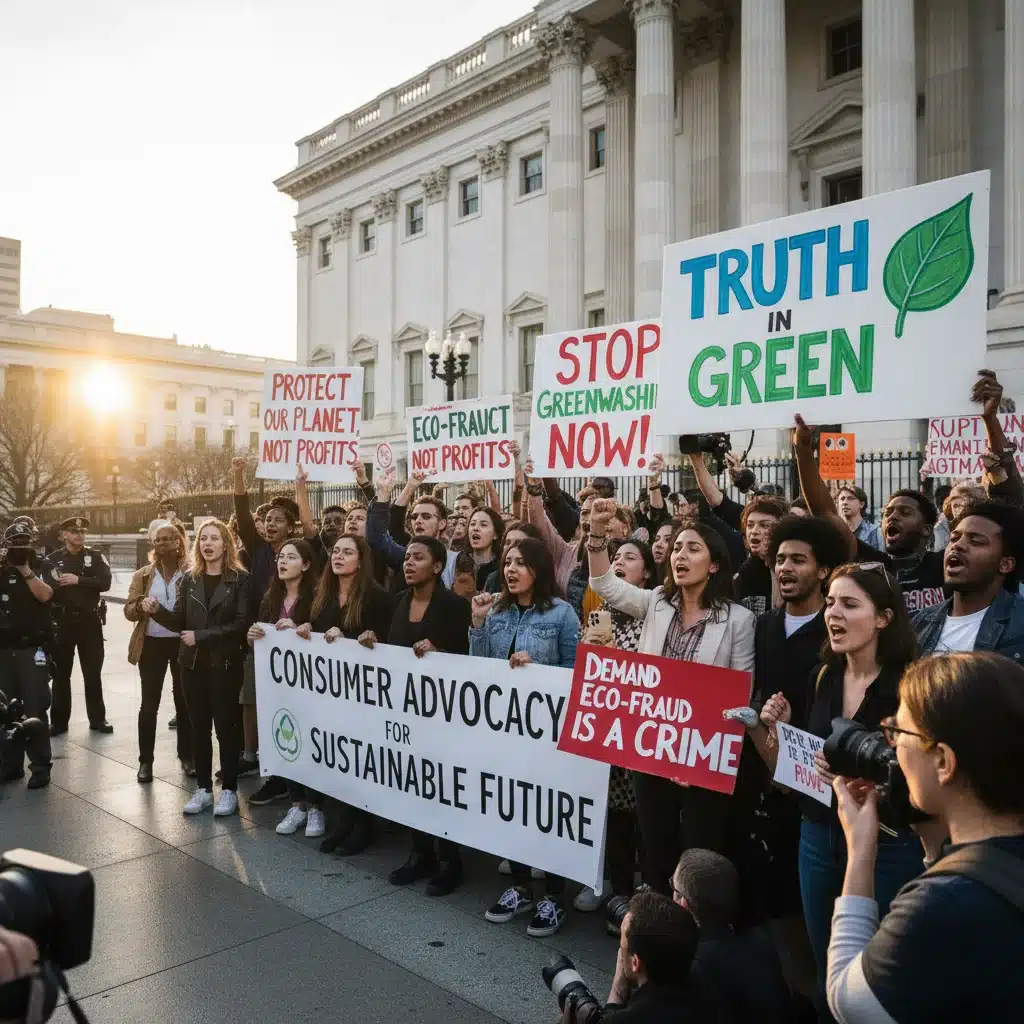
The success of these groups underscores the power of collective action and public demand. Their continued vigilance will also be crucial in the implementation and enforcement phases of the new Greenwashing Laws US, ensuring that the spirit of the legislation is upheld.
Implications for Businesses: Navigating the New Regulatory Landscape
For businesses, the upcoming Greenwashing Laws US represent both a challenge and an opportunity. While compliance may require significant investment and a re-evaluation of marketing strategies, it also presents a chance to build stronger consumer trust and solidify a genuinely sustainable brand identity.
Challenges Posed by Stricter Greenwashing Laws:
- Increased Compliance Costs: Companies will need to invest in data collection, verification processes, and potentially third-party certifications to substantiate their claims.
- Marketing Overhaul: Existing marketing materials, product labels, and advertising campaigns will need to be reviewed and revised to ensure they meet new legal standards.
- Supply Chain Transparency: The demand for verifiable data will extend to supply chains, requiring companies to have a deeper understanding of their environmental impact from raw materials to end product.
- Reputational Risk: Non-compliance or continued greenwashing in the face of new laws will carry severe reputational damage, potentially leading to consumer boycotts and loss of market share.
- Legal Exposure: Higher penalties and increased enforcement mean greater legal risk for companies that fail to adapt.
Opportunities Arising from the New Laws:
- Enhanced Consumer Trust: Businesses that genuinely embrace transparency and sustainability will gain a significant advantage in a market where consumers are increasingly wary of greenwashing.
- Innovation and Product Development: The need to meet stricter standards can drive innovation in sustainable product design, manufacturing processes, and material science.
- Competitive Differentiation: Companies that can credibly demonstrate their environmental commitments will stand out from competitors who struggle to adapt.
- Improved Brand Reputation: Building a reputation for authenticity and integrity in environmental claims can attract environmentally conscious talent and investors.
- Reduced Risk of Litigation: Proactive compliance can minimize the risk of fines, lawsuits, and regulatory scrutiny.
Preparing for Q4 2026: A Roadmap for Proactive Compliance
Given the impending changes, businesses cannot afford to wait until Q4 2026 to act. Proactive preparation is key to navigating the new landscape of Greenwashing Laws US successfully. Here’s a roadmap for businesses to consider:
1. Conduct an Internal Green Claims Audit:
Start by inventorying all environmental claims made across your products, packaging, marketing materials, website, and public statements. For each claim, ask:
- Is this claim specific, clear, and unambiguous?
- Do we have robust, verifiable data to support this claim?
- Has this data been independently validated or certified?
- Does this claim avoid hidden trade-offs or irrelevant information?
- Is the claim easily understood by the average consumer?
Identify any claims that are vague, unsubstantiated, or potentially misleading under future stricter regulations. Prioritize addressing these areas.
2. Invest in Data Collection and Transparency Infrastructure:
The new laws will demand data. Implement systems to track and measure your environmental impact across your operations and supply chain. This could include:
- Lifecycle assessments (LCAs) for products.
- Carbon footprinting and emissions tracking.
- Water usage and waste generation metrics.
- Sustainable sourcing verification.
Be prepared to make this data accessible and understandable to regulators and consumers.
3. Engage with Third-Party Certifications and Standards:
Where possible and relevant, seek out credible third-party certifications for your products or processes. Look for certifications that are widely recognized, transparent in their criteria, and regularly audited. While not all claims will require certification, having them for key environmental attributes can significantly bolster credibility under new Greenwashing Laws US.
4. Review and Revise Marketing and Advertising Practices:
Train your marketing and communications teams on the evolving standards for environmental claims. Foster a culture of caution and accuracy. Ensure that all environmental messaging is:
- Specific: Avoid broad terms; instead, state exactly what makes a product ‘green.’
- Substantiated: Back every claim with verifiable data or certification.
- Relevant: Ensure the environmental benefit highlighted is meaningful and not overshadowed by other negative impacts.
- Transparent: Provide easy access to supporting information, perhaps via QR codes on packaging or dedicated sections on your website.
5. Monitor Legislative and Regulatory Developments:
Stay informed about the progress of the legislation. Engage with industry associations that are participating in discussions with policymakers. Understanding the final details of the Greenwashing Laws US as they emerge will be critical for fine-tuning your compliance strategy.
6. Foster a Culture of Genuine Sustainability:
Ultimately, the most robust defense against greenwashing accusations and the most effective way to comply with new laws is to genuinely integrate sustainability into your core business strategy. This goes beyond marketing; it involves:
- Investing in sustainable innovation.
- Reducing environmental impact throughout the product lifecycle.
- Adopting ethical sourcing practices.
- Committing to continuous improvement in environmental performance.
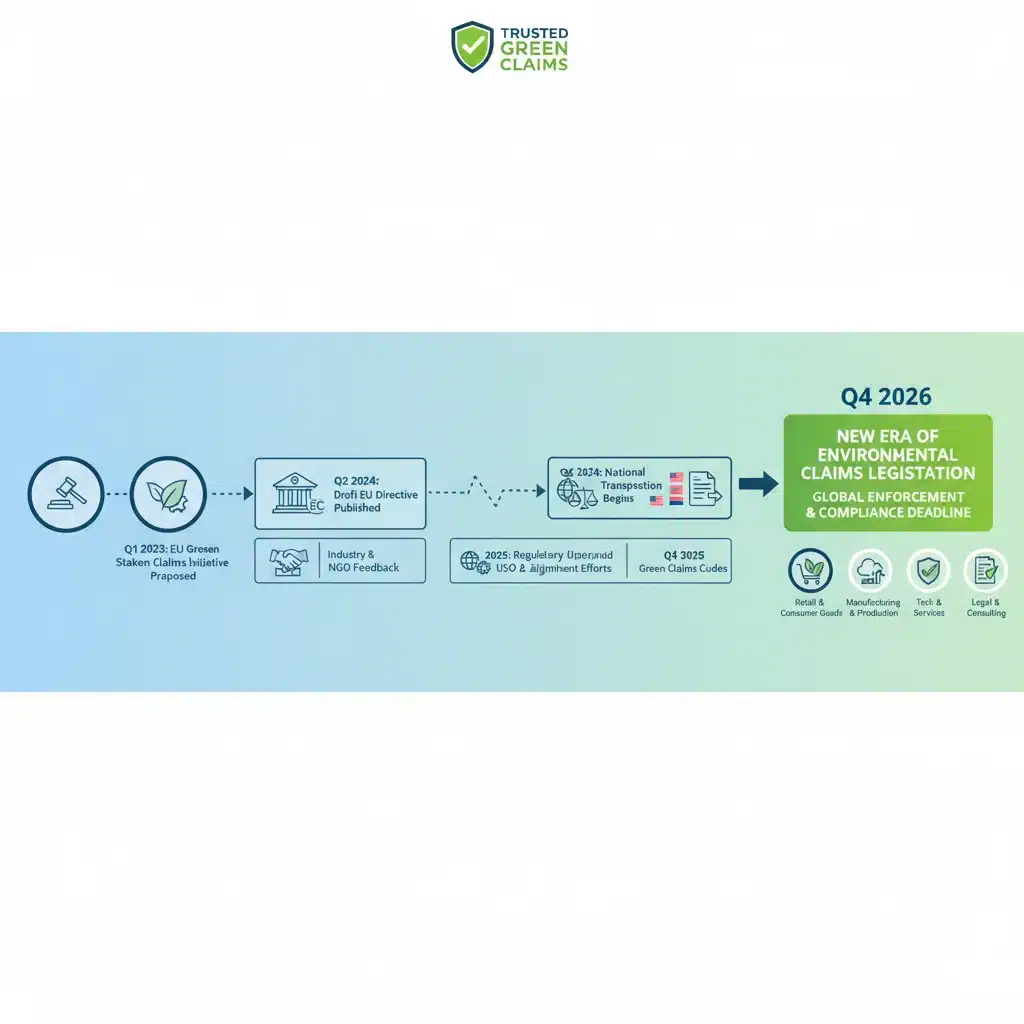
When sustainability is an authentic part of your business, communicating your efforts truthfully becomes much easier and more credible.
The Global Context: US Laws Reflecting International Trends
It’s important to note that the push for stricter Greenwashing Laws US is not an isolated phenomenon. Globally, there is a strong movement towards greater accountability for environmental claims. The European Union, for example, has been particularly active, proposing directives aimed at empowering consumers for the green transition and banning misleading environmental claims. Other countries like the UK, Canada, and Australia are also tightening their regulations.
This global trend means that companies operating internationally will need to navigate a complex web of regulations. However, the underlying principles of transparency, verifiability, and genuine environmental benefit are consistent across jurisdictions. By preparing for robust US laws, businesses will likely be better positioned to meet similar standards elsewhere.
Conclusion: A New Era of Accountability for Green Claims
The impending Q4 2026 legislation marks a significant turning point in how environmental claims are regulated in the United States. Driven by powerful consumer advocacy and a growing public demand for truth, the era of unsubstantiated ‘green’ marketing is rapidly drawing to a close. The new Greenwashing Laws US will demand unprecedented levels of transparency, data, and verifiable proof from businesses.
While this transition presents challenges, it also offers immense opportunities for companies willing to embrace genuine sustainability. Those who proactively audit their claims, invest in robust data collection, seek credible certifications, and authentically integrate environmental stewardship into their operations will not only comply with the law but also build stronger brands, foster deeper consumer trust, and contribute meaningfully to a more sustainable future. The time for action is now; businesses must prepare to meet the demands of this new era of environmental accountability.