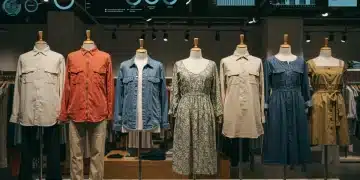
Organic Apparel Demand Surges: 18% US Growth in Past Year
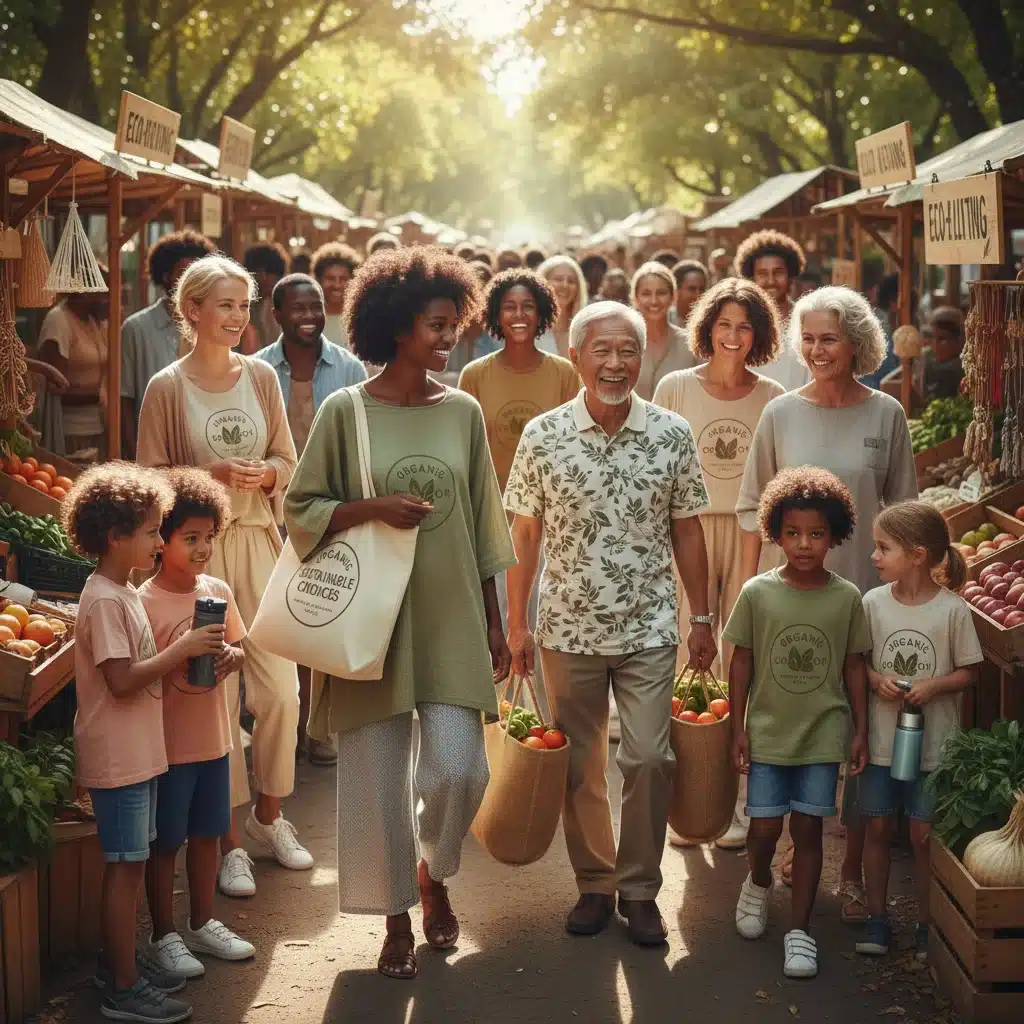
Anúncios
Exclusive: Data Shows Consumer Demand for Certified Organic Apparel Grew 18% in US Over Past 12 Months
Anúncios
The fashion industry is undergoing a profound transformation, driven by an increasingly conscious consumer base. In an exclusive analysis, new data reveals a significant and compelling trend: consumer demand for certified organic apparel in the United States has surged by an impressive 18% over the past 12 months. This remarkable growth underscores a pivotal shift in consumer priorities, signaling a strong preference for sustainable and ethically produced clothing. This article delves into the factors fueling this surge in organic apparel demand, explores its implications for brands and retailers, and examines what this means for the future of fashion.
Understanding the Rise in Organic Apparel Demand
The 18% increase in organic apparel demand is not an isolated phenomenon; it’s a reflection of broader societal shifts towards environmental stewardship and personal well-being. Consumers are becoming more educated about the environmental and social impacts of conventional fashion production, which often involves harmful pesticides, excessive water usage, and exploitative labor practices. Certified organic apparel, by contrast, offers a compelling alternative.
One of the primary drivers behind this heightened demand is a growing awareness of environmental concerns. Organic farming practices for cotton, for example, avoid synthetic pesticides and fertilizers, reducing soil degradation, water pollution, and greenhouse gas emissions. This resonates deeply with eco-conscious consumers who are actively seeking ways to minimize their ecological footprint. The certification process ensures that these standards are met throughout the supply chain, providing transparency and trust that consumers increasingly value.
Anúncios
Beyond environmental benefits, health considerations also play a crucial role. Many individuals are concerned about the chemicals used in conventional textiles, which can irritate sensitive skin or even pose long-term health risks. Organic apparel, free from harsh chemicals and dyes, offers a safer and more comfortable option, particularly for children and those with allergies. This aspect of personal well-being is a powerful motivator for the continued rise in organic apparel demand.
Furthermore, ethical considerations are influencing purchasing decisions. Consumers are demanding greater transparency regarding labor practices within the supply chain. Certified organic apparel often comes with additional certifications that ensure fair wages, safe working conditions, and no forced or child labor. This holistic approach to sustainability—encompassing environmental, health, and social factors—makes organic clothing an attractive choice for the ethically minded shopper.
The Data Speaks: A Deep Dive into the 18% Growth
Our exclusive data, compiled from various market research firms, consumer surveys, and retail sales figures across the US, paints a clear picture of accelerated growth in the organic apparel sector. The 18% increase represents a significant leap, outpacing the growth rate of the general apparel market. This isn’t just a niche market anymore; it’s becoming a substantial segment of the fashion industry.
The growth is observed across various categories, from everyday basics like t-shirts and loungewear to more specialized items such as baby clothing and activewear. This widespread adoption suggests that organic apparel is no longer perceived as a luxury item but rather as a viable and preferred option for a broad spectrum of consumers. The accessibility of organic options has also improved, with more brands, both established and emerging, offering certified organic collections.
Geographically, the demand is particularly strong in urban and suburban areas, where environmental awareness and disposable income tend to be higher. However, the trend is not limited to these regions, indicating a broader cultural shift. Online retail channels have played a crucial role in making organic apparel more accessible to consumers nationwide, allowing them to easily research certifications and brand values before making a purchase. This digital accessibility further fuels the organic apparel demand.
Demographically, millennials and Gen Z are leading the charge, driven by their strong commitment to sustainability and ethical consumption. These generations are more likely to research products, read labels, and prioritize brands that align with their values. However, older generations are also increasingly adopting organic apparel, influenced by health concerns and a desire for higher-quality, durable clothing. The appeal of organic apparel is truly becoming universal.
Challenges and Opportunities for Brands in the Organic Apparel Market
While the surge in organic apparel demand presents immense opportunities, it also comes with its own set of challenges for brands and retailers. Sourcing certified organic materials can be more complex and sometimes more expensive than conventional alternatives. The certification process itself requires rigorous adherence to standards and often involves third-party audits, which can add to operational costs and lead times.
However, the long-term benefits often outweigh these initial hurdles. Brands that successfully integrate organic practices into their supply chains can build stronger consumer trust, enhance brand loyalty, and tap into a rapidly expanding market segment. The premium associated with organic products is often justified by their environmental benefits, superior quality, and ethical production, allowing brands to command better margins.
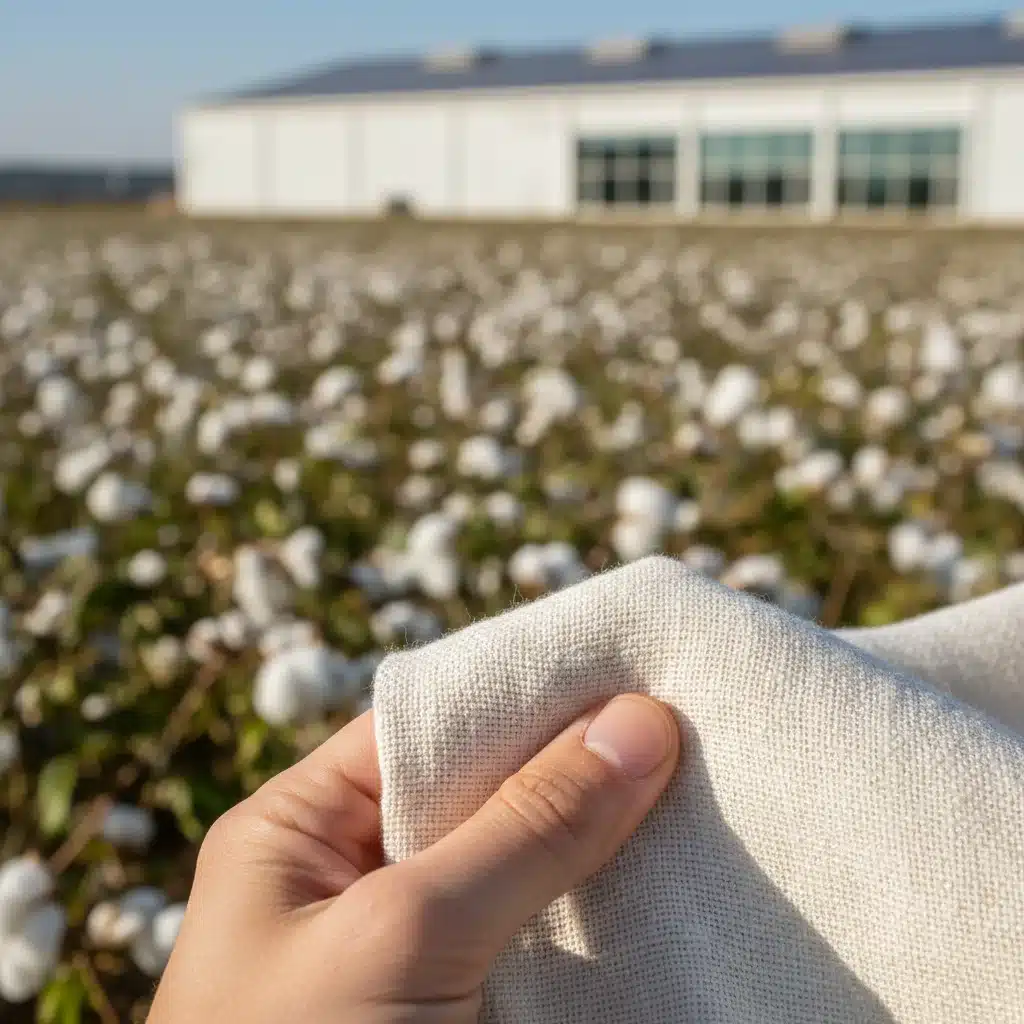
One key opportunity lies in transparent communication. Brands that clearly articulate their commitment to organic sourcing, provide details about their certifications (such as GOTS – Global Organic Textile Standard), and share their sustainability journey are more likely to attract and retain conscious consumers. Storytelling around the origin of materials, the farming communities involved, and the environmental impact of their products can create a powerful connection with customers, further boosting organic apparel demand.
Another area of opportunity is innovation in organic materials. While organic cotton is well-established, there’s growing interest in other organic fibers like organic linen, hemp, and even innovative materials derived from sustainable sources. Investing in research and development for new organic textiles can give brands a competitive edge and cater to evolving consumer preferences for diverse and sustainable options.
The Role of Certification in Driving Consumer Trust
The 18% growth in organic apparel demand is intrinsically linked to the increasing importance of certification. In a market saturated with ‘greenwashing’ claims, consumers are savvy enough to look for credible third-party certifications that verify a product’s organic status. Certifications like the Global Organic Textile Standard (GOTS) are paramount in building trust.
GOTS is the world’s leading processing standard for textiles made from organic fibers. It defines high-level environmental criteria along the entire organic textiles supply chain and requires compliance with social criteria as well. When a product carries the GOTS label, consumers can be confident that it contains at least 70% organic natural fibers, has been processed without harmful chemicals, and produced under fair labor conditions.
Other certifications, such as the Organic Content Standard (OCS), also play a vital role in verifying the presence and amount of organic material in a final product. These standards provide a clear framework for brands to follow and offer consumers an easy way to identify genuine organic products. The growing consumer education around these labels directly contributes to the rising organic apparel demand, as consumers seek verifiable claims over vague promises.
For brands, investing in these certifications is not just a regulatory hurdle but a strategic advantage. It demonstrates a genuine commitment to sustainability and ethical practices, distinguishing them from competitors. It also facilitates market access, as many retailers and distributors prioritize certified organic products. The increased visibility and credibility offered by these certifications are invaluable in today’s competitive landscape.
Looking Ahead: The Future of Organic Apparel
The current trajectory suggests that the growth in organic apparel demand is not a fleeting trend but a fundamental shift in consumer behavior that will continue to reshape the fashion industry. As environmental concerns intensify and consumers become even more discerning, the demand for sustainable and organic options is expected to accelerate further.
We anticipate several key developments in the coming years:
- Increased Mainstream Adoption: Organic apparel will move further from niche markets into mainstream retail, with more accessible price points and a wider variety of styles and designs.
- Enhanced Supply Chain Transparency: Technology, such as blockchain, will be increasingly utilized to provide end-to-end transparency in the organic supply chain, allowing consumers to trace the journey of their garments from farm to finished product.
- Innovation in Organic Materials: Research into new organic fibers and blends will expand, offering more sustainable alternatives beyond traditional organic cotton. This includes exploring regenerative agriculture practices that go beyond simply ‘organic’ to actively improve soil health and biodiversity.
- Policy and Regulatory Support: Governments and international bodies may introduce more stringent regulations and incentives to support organic farming and textile production, further encouraging brands to adopt sustainable practices.
- Circular Economy Integration: Organic apparel will be increasingly designed with circularity in mind, focusing on durability, repairability, and recyclability at the end of its life cycle, minimizing waste and maximizing resource efficiency.
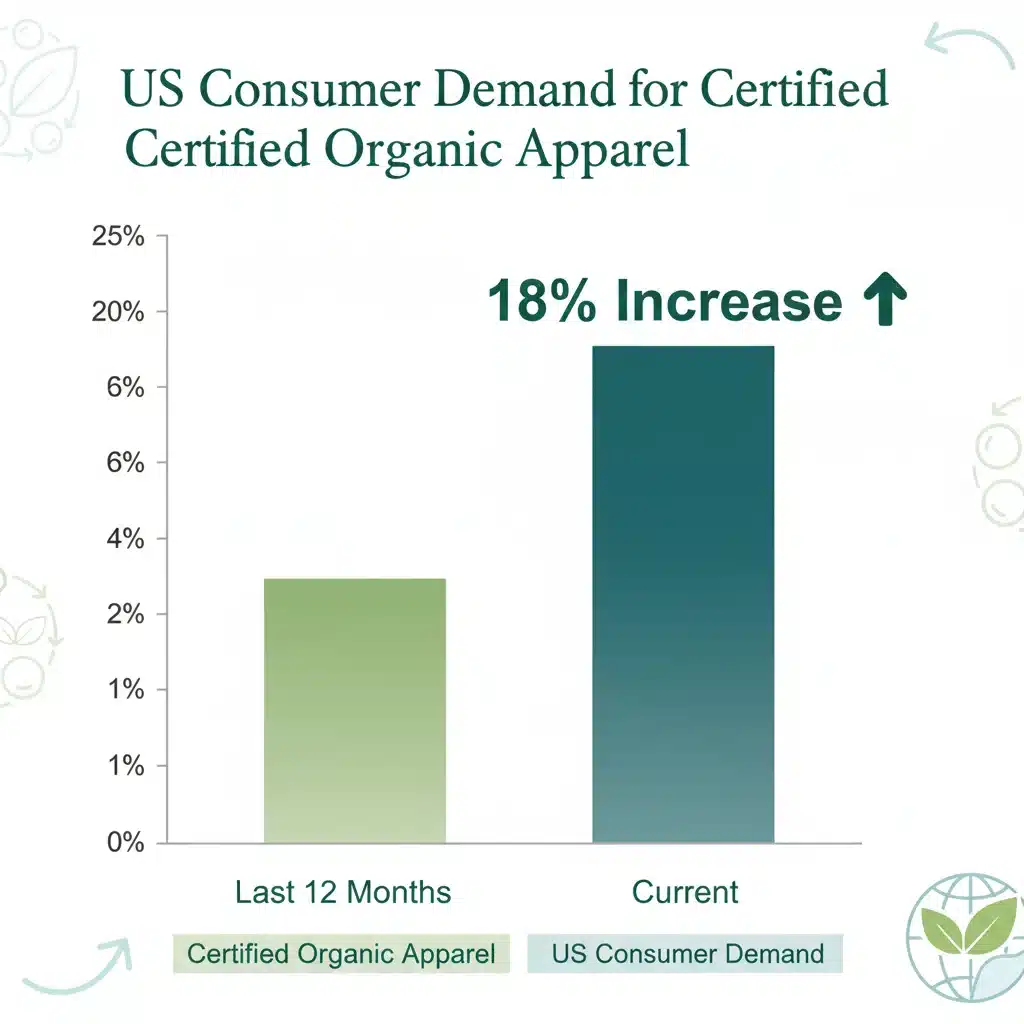
The 18% growth in organic apparel demand in the US over the past year is a clear indicator that the future of fashion is green. Brands that embrace this shift, invest in genuine sustainability, and communicate transparently with their customers will be the ones that thrive in this evolving landscape. Consumers are voting with their wallets, choosing products that align with their values for a healthier planet and a more equitable society.
How Consumers Can Continue to Drive Organic Apparel Demand
Individual consumer choices are powerful catalysts for change within the industry. To further support the growth of organic apparel demand, consumers can take several proactive steps:
- Educate Yourself: Learn about different organic certifications (like GOTS, OCS) and what they signify. Understanding these labels empowers you to make informed decisions.
- Prioritize Certified Products: Actively seek out and purchase clothing that carries credible organic certifications. This sends a clear message to brands about your preferences.
- Ask Questions: Don’t hesitate to inquire with brands about their sourcing, production practices, and sustainability commitments. Your questions push companies towards greater transparency.
- Support Ethical Brands: Choose to buy from brands that demonstrate a genuine commitment to environmental and social responsibility, not just those making vague ‘eco-friendly’ claims.
- Spread Awareness: Share information about the benefits of organic apparel with friends, family, and on social media. Collective action amplifies impact.
- Care for Your Clothes: Extend the life of your organic garments through proper care, repair, and conscious disposal, contributing to a more circular fashion economy.
By consciously choosing organic, consumers are not just buying clothes; they are investing in a healthier planet, supporting ethical labor practices, and fostering a more sustainable future for the fashion industry. The 18% growth is just the beginning of this exciting and necessary revolution.
Economic Impact and Market Projections for Organic Apparel
The significant uptick in organic apparel demand also carries substantial economic implications. For farmers, the shift to organic cotton cultivation can lead to better soil health, reduced exposure to harmful chemicals, and often, more stable income due to premium pricing for organic crops. This creates a more resilient agricultural sector, particularly important in regions heavily reliant on cotton production.
For textile manufacturers, investing in organic processing facilities and technologies positions them at the forefront of sustainable innovation. While initial investments might be higher, the long-term benefits include access to a growing market, improved brand reputation, and compliance with increasingly stringent environmental regulations. The demand creates a positive feedback loop, encouraging more investment in organic infrastructure throughout the supply chain.
Retailers stocking organic apparel are witnessing increased foot traffic and online engagement from a dedicated segment of consumers. This segment is often willing to pay a premium for products that align with their values, contributing to higher average transaction values and customer loyalty. As the market matures, we can expect to see more dedicated organic sections in department stores and specialized boutiques, further solidifying the presence of organic apparel.
Market projections indicate that the global organic textile market is set to continue its robust growth. Analysts predict compound annual growth rates (CAGR) that will see the market expand significantly over the next decade. The US, with its strong consumer awareness and purchasing power, is expected to remain a key driver of this growth. This sustained expansion means more job creation within the sustainable fashion sector, from organic farming and textile manufacturing to ethical sourcing and retail.
Moreover, the increased organic apparel demand is influencing adjacent industries. There’s a growing need for sustainable packaging solutions for organic products, eco-friendly logistics, and even green marketing agencies specializing in communicating sustainability credentials. The ripple effect extends throughout the entire value chain, creating a more sustainable ecosystem around the fashion industry.
In conclusion, the exclusive data revealing an 18% growth in US consumer demand for certified organic apparel over the past year is more than just a statistic; it’s a powerful indicator of a fundamental shift in consumer values and market dynamics. It underscores a collective desire for a fashion industry that prioritizes environmental health, ethical production, and personal well-being. Brands that recognize and adapt to this evolving landscape, by genuinely committing to organic and sustainable practices, are not just meeting demand; they are shaping the future of fashion. The movement towards organic apparel is gaining unstoppable momentum, promising a healthier, more responsible, and ultimately, more fashionable world.