Sustainable Fashion Education: 2026 Roadmap for US Design
Anúncios
From Concept to Consumer: A 2026 Educational Roadmap for Sustainable Fashion Design in the U.S.
Anúncios
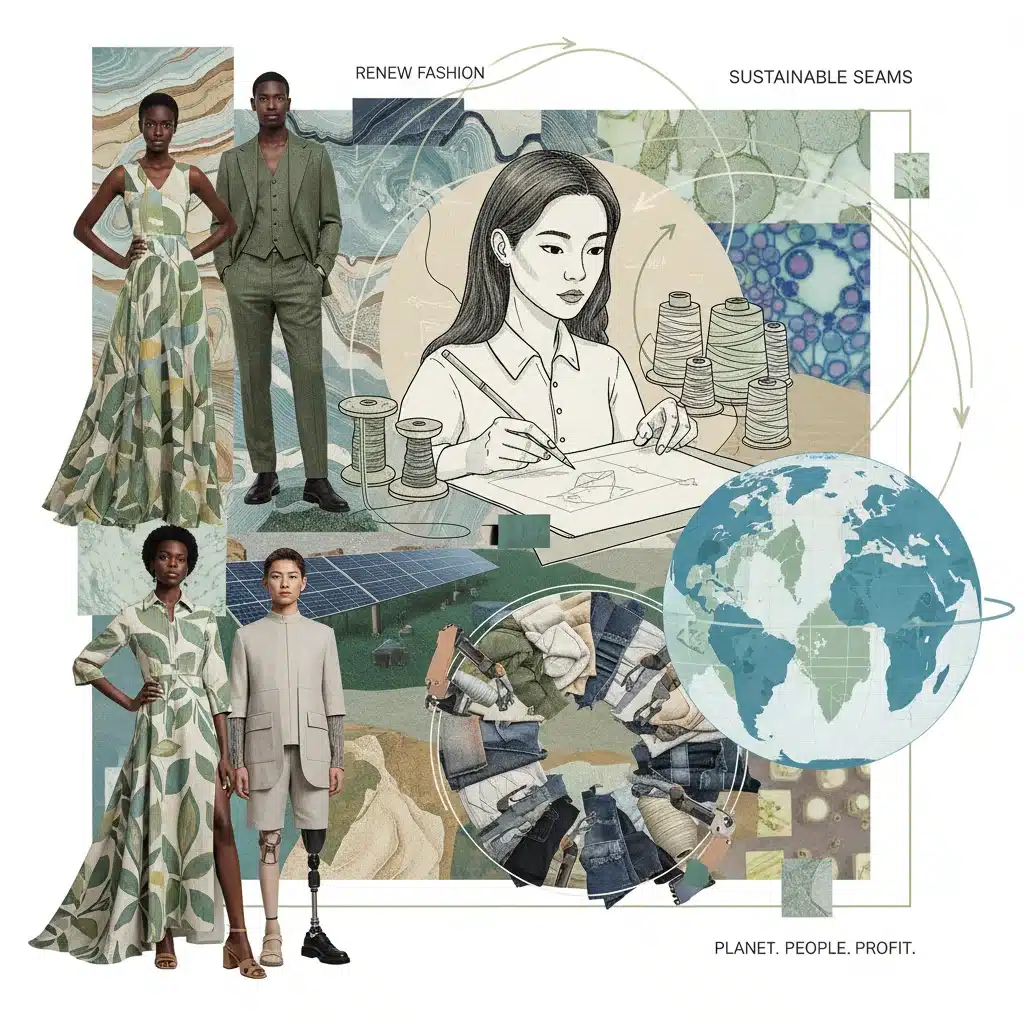
The fashion industry, a global powerhouse generating trillions of dollars annually, faces an undeniable imperative: sustainability. As environmental concerns escalate and consumer awareness grows, the demand for ethical and eco-conscious practices within fashion has reached a critical juncture. This shift necessitates a fundamental transformation not just in production and consumption, but crucially, in education. The future of fashion hinges on a new generation of designers, strategists, and innovators who are inherently equipped with the knowledge and tools to champion sustainability from the very inception of an idea to its final journey to the consumer. This article outlines a comprehensive sustainable fashion education roadmap for the United States, projecting towards 2026, detailing how academic institutions, industry players, and policymakers can collaboratively foster a truly sustainable fashion ecosystem.
The current landscape of fashion education, while evolving, still largely operates within traditional frameworks that often prioritize aesthetics and commercial viability over environmental and social impact. The urgency for a more integrated approach to sustainable fashion education is paramount. By 2026, the goal is to have a robust educational infrastructure that not only instills the principles of sustainability but also empowers students to innovate and disrupt existing unsustainable models. This roadmap will delve into curriculum innovations, technological integrations, industry partnerships, and policy recommendations, all designed to cultivate a workforce capable of leading the charge towards a circular, ethical, and regenerative fashion future.
The Imperative for Sustainable Fashion Education
The fashion industry’s environmental footprint is staggering. From water-intensive cotton farming and toxic dyeing processes to excessive waste generation and microplastic pollution from synthetic fibers, the ecological damage is widespread. Social injustices, including exploitative labor practices, further compound the industry’s ethical challenges. Addressing these complex issues requires a holistic approach, and education is the bedrock upon which this transformation must be built. Future fashion professionals must possess a deep understanding of material science, supply chain ethics, circular design principles, and the socioeconomic implications of their creative decisions. Without a strong foundation in sustainable fashion education, the industry’s efforts to mitigate its impact will remain piecemeal and ultimately insufficient.
Anúncios
Moreover, consumer demand for sustainable products is no longer a niche market; it’s a mainstream expectation. Brands that fail to adapt risk losing market share and reputation. This consumer shift further emphasizes the need for designers who can not only create beautiful garments but also communicate their sustainable credentials authentically. The 2026 roadmap for sustainable fashion education aims to bridge this gap, ensuring that graduates are not just technically proficient but also ethically grounded and environmentally conscious, ready to meet the evolving demands of both industry and society.
Pillar 1: Curriculum Innovation and Integration (2024-2026)
Core Principles of Sustainable Design Thinking
By 2026, every fashion design program in the U.S. should integrate core principles of sustainable design thinking as a foundational element, not an elective. This includes:
- Life Cycle Assessment (LCA): Teaching students to evaluate the environmental impacts of a product throughout its entire lifespan, from raw material extraction to disposal. This means understanding the energy, water, and chemical inputs, as well as waste outputs at each stage.
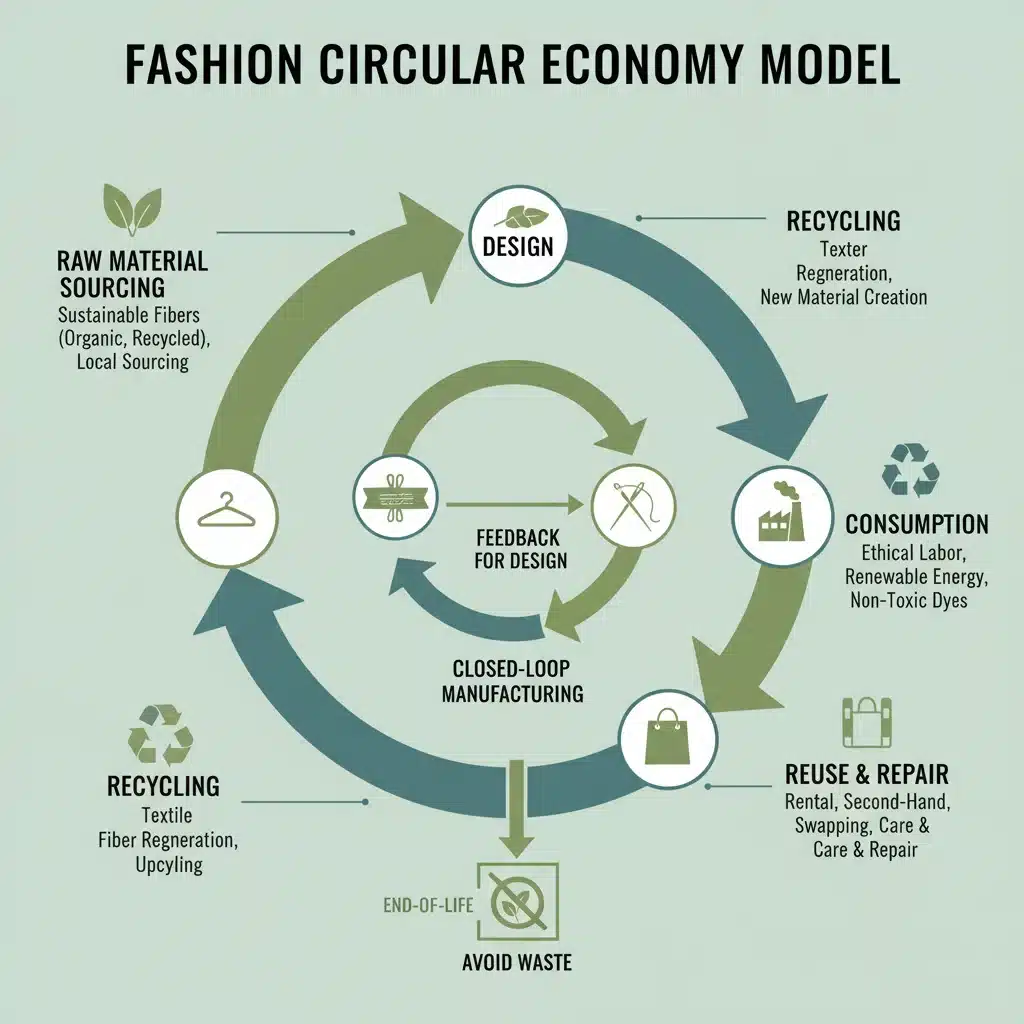
- Circular Design Principles: Emphasizing design for longevity, repairability, recyclability, and biodegradability. Students will learn to design products that can be easily disassembled, reused, or composted, moving away from the linear ‘take-make-dispose’ model. This involves exploring concepts like modular design and material innovation for circularity.
- Cradle-to-Cradle Design: A design philosophy that aims to create products that are not only efficient but also essentially waste-free, where all materials are seen as nutrients that can be perpetually circulated in either biological or technical cycles.
- Biomimicry: Drawing inspiration from nature’s designs and processes to create sustainable solutions. This could involve studying how natural systems achieve efficiency, durability, and biodegradability without generating waste.
Material Innovation and Sourcing Ethics
The curriculum must place a strong emphasis on innovative and sustainable materials. This includes:
- Advanced Textile Science: In-depth study of natural, organic, recycled, and bio-based fibers (e.g., hemp, organic cotton, Tencel, mushroom leather, spider silk alternatives). Understanding their properties, processing requirements, and environmental benefits.
- Zero-Waste Pattern Making: Techniques that minimize or eliminate textile waste during the cutting and construction phases. This requires a shift in traditional pattern-making methodologies and often involves digital tools.
- Ethical Sourcing and Supply Chain Transparency: Education on fair trade practices, labor rights, traceability technologies (e.g., blockchain), and understanding the social impact of material choices. Students should be able to audit and evaluate supply chains for ethical compliance.
- Dyeing and Finishing Alternatives: Exploring low-impact dyeing methods (e.g., natural dyes, digital printing, closed-loop systems) and non-toxic finishing processes to reduce chemical usage and water pollution.
Digital Tools for Sustainable Design
Technology will play a pivotal role. Programs should integrate:
- 3D Design Software: For virtual prototyping, reducing the need for physical samples and minimizing material waste. This also allows for faster iteration and design exploration.
- Product Lifecycle Management (PLM) Systems: To track and manage product data, including material origins, environmental impact, and end-of-life strategies.
- Data Analytics for Sustainability: Teaching students to interpret environmental impact data, calculate carbon footprints, and make data-driven decisions for sustainable product development.
Pillar 2: Experiential Learning and Industry Collaboration (2024-2026)
Mandatory Internships and Apprenticeships
By 2026, every sustainable fashion education program should mandate internships or apprenticeships with companies actively engaged in sustainable practices. These experiences offer invaluable real-world exposure to:
- Sustainable Production Processes: Witnessing firsthand how sustainable materials are processed, garments are manufactured ethically, and waste is managed in a real-world setting.
- Circular Business Models: Learning about rental services, repair initiatives, resale platforms, and upcycling programs directly from businesses implementing them.
- Innovation in Sustainable Technologies: Exposure to new technologies for textile recycling, water conservation, and energy efficiency in manufacturing.
Industry-Academia Partnerships and Research Hubs
Fostering stronger ties between academic institutions and the fashion industry is crucial. This includes:
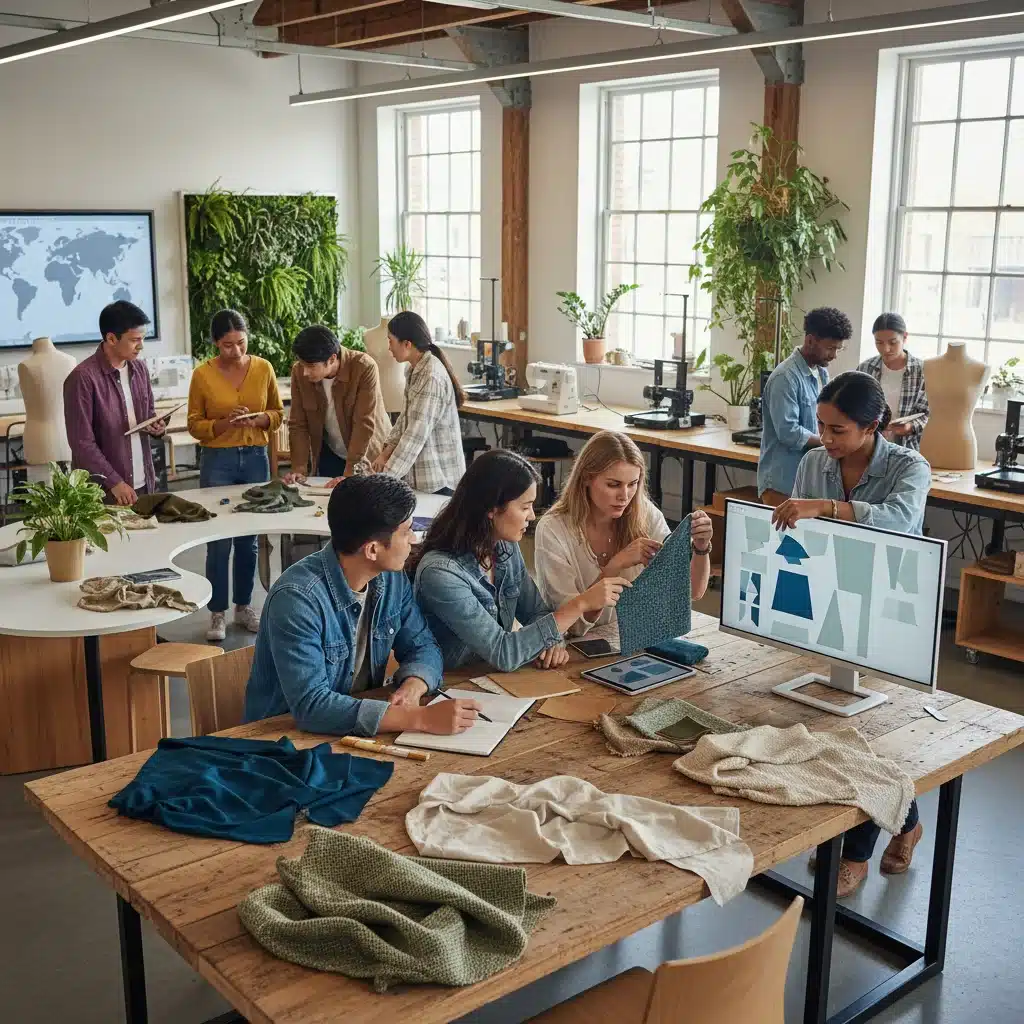
- Joint Research Projects: Collaborating on research into new sustainable materials, manufacturing processes, and supply chain solutions. Universities can provide theoretical frameworks and research capabilities, while industry partners offer practical application and funding.
- Guest Lecturers and Mentorship Programs: Bringing industry leaders, sustainable innovators, and ethical entrepreneurs into the classroom to share their expertise and mentor students.
- Sustainable Innovation Challenges: Hosting competitions where students work on real-world sustainability challenges posed by industry partners, culminating in viable solutions and potential prototypes.
- Shared Facilities and Labs: Creating joint facilities equipped with sustainable textile development tools, recycling machinery, and advanced prototyping equipment accessible to both students and industry professionals.
Interdisciplinary Collaboration
Sustainable fashion education extends beyond traditional design departments. Collaboration with other disciplines is essential:
- Engineering and Material Science: Partnering to develop new bio-based materials, recycling technologies, and performance textiles.
- Business and Marketing: Training students to develop sustainable business models, communicate ethical brand values, and understand the economics of circularity.
- Environmental Science and Policy: Understanding the broader ecological context, regulatory frameworks, and the science behind climate change and resource depletion.
- Computer Science: Developing AI and machine learning tools for supply chain optimization, waste reduction, and personalized sustainable consumption.
Pillar 3: Policy, Advocacy, and Global Perspectives (2024-2026)
Understanding Policy and Regulation
Future fashion leaders need to understand the legislative landscape impacting sustainability:
- Environmental Regulations: Knowledge of local, national, and international environmental laws related to textile production, chemical use, and waste management.
- Labor Laws and Human Rights: Understanding fair labor standards, anti-slavery legislation, and ethical sourcing policies across global supply chains.
- Extended Producer Responsibility (EPR): Learning about policies that hold manufacturers responsible for the entire lifecycle of their products, from design to post-consumer waste management.
- Greenwashing Awareness: Educating students to critically evaluate sustainability claims and identify instances of greenwashing, fostering integrity in the industry.
Advocacy and Leadership Development
Sustainable fashion education should empower students to become advocates for change:
- Public Speaking and Communication Skills: Training to effectively articulate the importance of sustainability to diverse audiences, from consumers to policymakers.
- Policy Engagement: Opportunities to participate in policy discussions, draft recommendations, and engage with legislative bodies on fashion sustainability issues.
- Entrepreneurial Skills for Impact: Encouraging students to develop sustainable fashion startups and social enterprises that drive positive change.
Global Context and Cultural Sensitivity
The fashion industry is inherently global. Education must reflect this:
- Global Supply Chain Dynamics: Understanding the complexities of international sourcing, manufacturing, and distribution, with a focus on ethical and environmental considerations in different regions.
- Indigenous Craft and Traditional Knowledge: Learning from traditional textile practices and indigenous communities that have historically embraced sustainable, regenerative approaches to material use and craftsmanship.
- Cultural Appropriation vs. Appreciation: Educating on respectful engagement with diverse cultures in design and sourcing, avoiding exploitation and promoting genuine collaboration.
- International Sustainability Standards: Familiarity with global certifications (e.g., GOTS, Fair Trade) and international agreements related to sustainability in fashion.
Measuring Success and Future Outlook (2026 and Beyond)
By 2026, the success of this sustainable fashion education roadmap will be measured by several key indicators:
- Graduate Employment Rates in Sustainable Roles: An increase in graduates securing positions specifically focused on sustainability within fashion companies, NGOs, or launching their own eco-conscious ventures.
- Industry Adoption of Sustainable Practices: A noticeable shift in industry practices, partly driven by the influx of sustainably educated professionals and their innovative contributions.
- Reduction in Environmental Footprint: Long-term data showing a measurable decrease in the fashion industry’s environmental impact, influenced by improved design, production, and consumption patterns.
- Curriculum Standards: The establishment of national benchmarks for sustainable fashion education, ensuring consistency and quality across institutions.
- Research Output and Innovation: A significant increase in academic research and patented innovations in sustainable materials, processes, and business models originating from educational institutions.
Looking beyond 2026, the roadmap envisions continuous evolution. As new technologies emerge and environmental challenges intensify, sustainable fashion education must remain agile and responsive. This includes integrating AI and blockchain for enhanced transparency and efficiency, exploring bio-fabrication and regenerative agriculture on a larger scale, and continually refining circular economy models. The ultimate goal is to cultivate a fashion industry that is not just less harmful, but actively regenerative, contributing positively to both people and the planet.
Challenges and Opportunities in Implementing the Roadmap
Implementing such a comprehensive roadmap for sustainable fashion education is not without its challenges. Financial investment is a significant hurdle; updating curricula, training faculty, acquiring new technologies, and funding research initiatives require substantial resources. Furthermore, traditional academic structures can sometimes be slow to adapt, necessitating a proactive approach to faculty development and interdepartmental collaboration. Reskilling existing faculty in sustainable practices and attracting new educators with specialized expertise will be critical. There is also the challenge of balancing creative expression with technical sustainability requirements, ensuring that innovation is not stifled but rather enhanced by ethical considerations.
However, these challenges are met with immense opportunities. The growing demand for sustainable products and services presents a fertile ground for innovation and job creation. Universities that lead in sustainable fashion education will attract top talent and establish themselves as centers of excellence, enhancing their reputation and impact. Collaboration between industry and academia can unlock new funding streams and accelerate the adoption of sustainable practices. Moreover, by preparing students for the future of fashion, educational institutions are not just teaching a skill; they are fostering responsible global citizens who will drive positive change in one of the world’s most influential industries. This roadmap represents a collective commitment to shaping a fashion future that is not only stylish but also ethical, equitable, and enduring.
Conclusion: Paving the Way for a Sustainable Fashion Future
The journey from concept to consumer in the fashion industry is undergoing a profound transformation. The 2026 educational roadmap for sustainable fashion education in the U.S. is not merely a set of guidelines; it is a blueprint for cultivating a generation of fashion professionals who are inherently committed to ecological integrity and social justice. By prioritizing curriculum innovation, fostering deep industry collaborations, and integrating policy awareness, we can equip students with the knowledge, skills, and ethical framework necessary to navigate and lead this essential shift. The future of fashion is sustainable, and the foundation for that future is being laid today in classrooms and design studios across the nation. Embracing this roadmap is an investment not just in the fashion industry, but in the health of our planet and the well-being of its people.