Top 7 Online Sustainable Fashion Courses US 2026

Anúncios
The fashion industry, a global behemoth, is undergoing a profound transformation. Once synonymous with rapid trends and disposable garments, it is now grappling with its significant environmental and social footprint. From excessive water usage and chemical pollution to exploitative labor practices, the traditional fashion model has proven unsustainable. However, a new paradigm is emerging: sustainable fashion. This movement advocates for ecological integrity, social justice, and economic viability throughout the entire lifecycle of clothing. As consumer awareness grows and regulatory pressures mount, the demand for professionals equipped with knowledge in ethical sourcing, circular design, and responsible production is skyrocketing. This shift has led to an explosion in educational opportunities, particularly online, making sustainable fashion education more accessible than ever.
Anúncios
For aspiring designers, supply chain managers, brand strategists, and conscious consumers alike, understanding the principles of sustainable fashion is no longer a niche interest but a critical skill set. Online courses offer unparalleled flexibility, allowing individuals to delve into this complex field from anywhere in the U.S. and at their own pace. As of January 2026, the landscape of online sustainable fashion courses is rich and diverse, catering to various levels of expertise and career aspirations. Whether you’re looking to pivot your career, deepen your existing knowledge, or simply become a more informed consumer, these programs provide the essential tools and insights.
This comprehensive guide delves into the top 7 online sustainable fashion courses available in the U.S. We will explore what makes each program stand out, their core curriculum, the skills you can expect to gain, and how they contribute to fostering a more responsible and ethical fashion future. By highlighting these leading educational pathways, we aim to empower individuals to make informed choices about their learning journey and contribute meaningfully to the sustainable fashion revolution.
Anúncios
Why Invest in Sustainable Fashion Courses?
The urgency for sustainable practices within the fashion industry cannot be overstated. The sector is responsible for 10% of global carbon emissions, more than international flights and maritime shipping combined. It’s a major polluter of water, a significant contributor to landfill waste, and often implicated in human rights abuses. Investing in sustainable fashion courses is not just about acquiring new skills; it’s about becoming part of the solution to these pressing global challenges.
Career Opportunities in Sustainable Fashion
The demand for professionals with expertise in sustainable fashion is rapidly expanding. Brands are actively seeking individuals who can navigate complex supply chains, implement eco-friendly manufacturing processes, design with circularity in mind, and communicate ethical values to consumers. Job roles are emerging in areas such as:
- Sustainable Sourcing Specialist: Identifying and procuring eco-friendly and ethically produced materials.
- Circular Design Strategist: Developing products designed for longevity, repair, and recyclability.
- Textile Innovator: Researching and developing new sustainable fibers and finishes.
- Ethical Production Manager: Ensuring fair labor practices and safe working conditions in factories.
- Sustainability Consultant: Advising fashion businesses on how to reduce their environmental impact.
- Brand Storyteller/Communicator: Articulating a brand’s sustainability efforts transparently.
- Policy Analyst: Influencing legislation and standards for a more responsible industry.
These roles are not limited to large corporations; startups, non-profits, and independent designers are also at the forefront of this movement, creating a vibrant and dynamic job market for those with the right skills and passion. Online sustainable fashion courses provide the foundational knowledge and practical insights needed to thrive in these evolving career paths.
Key Areas Covered in Sustainable Fashion Education
A robust sustainable fashion curriculum typically covers a wide array of topics, reflecting the multifaceted nature of the industry’s challenges and solutions. When evaluating sustainable fashion courses, look for programs that address:
Environmental Impact and Mitigation
- Material Science: Understanding the environmental footprint of different fibers (natural, synthetic, recycled, innovative materials like mycelium or lab-grown leather) and their processing.
- Water Usage: The impact of textile dyeing and finishing processes on water resources and pollution.
- Chemical Management: Identifying and mitigating harmful chemicals used in production.
- Carbon Footprint: Assessing and reducing greenhouse gas emissions across the supply chain.
- Waste Management: Strategies for reducing textile waste, from design to post-consumer.
Ethical and Social Responsibility
- Labor Rights: Fair wages, safe working conditions, and combating forced labor and child labor.
- Supply Chain Transparency: Tracing the origins of materials and production processes to ensure ethical practices.
- Community Impact: Supporting local artisans and communities, and promoting fair trade.
- Diversity and Inclusion: Addressing issues of representation and equity within the industry.
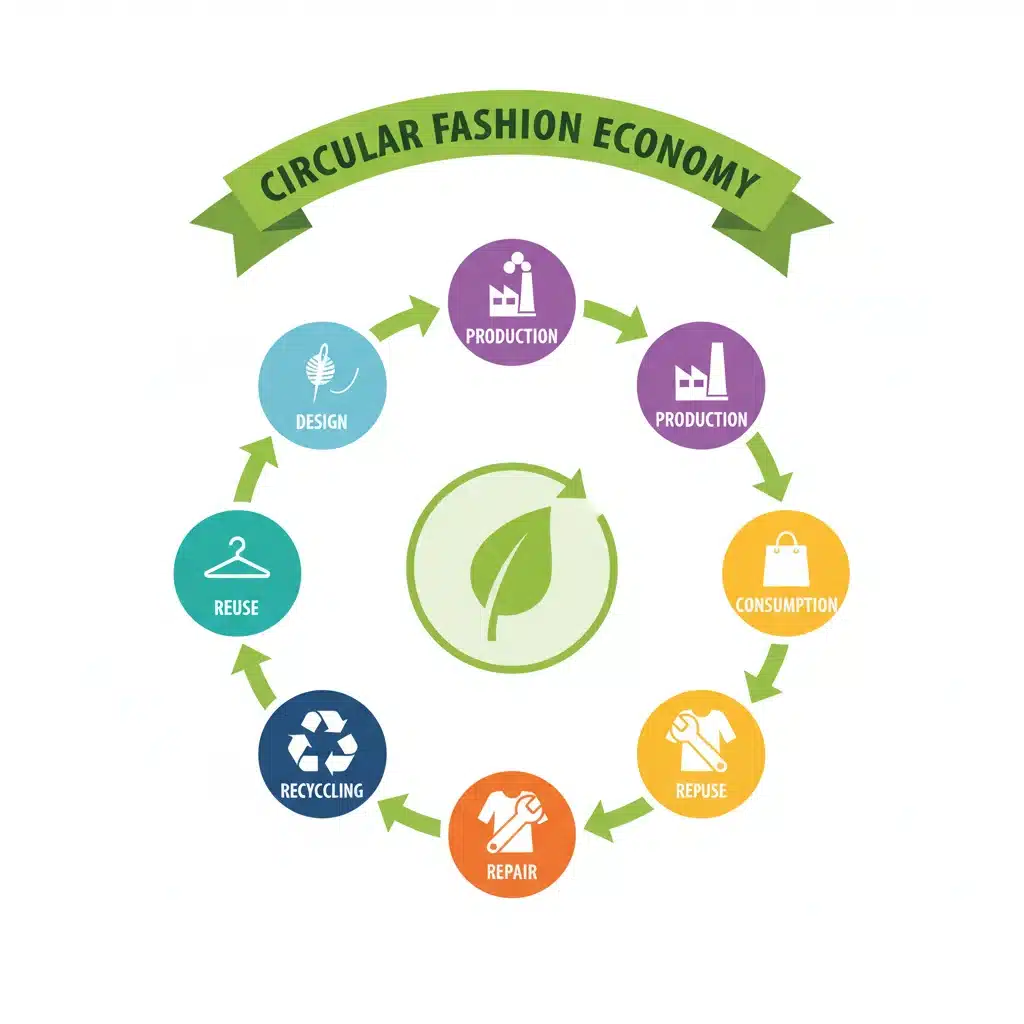
Circular Economy Principles
- Circular Design: Designing products for longevity, adaptability, and eventual recycling or composting.
- Upcycling and Recycling: Techniques for transforming existing garments and textile waste into new products.
- Rental and Resale Models: Exploring business models that extend the life of garments through sharing and second-hand markets.
- Product-as-a-Service: Innovative approaches where consumers lease rather than own clothing.
Business and Innovation
- Sustainable Business Models: Developing financially viable strategies that prioritize people and planet.
- Marketing and Communication: Effectively conveying a brand’s sustainability story without greenwashing.
- Policy and Regulation: Understanding existing and emerging legislation impacting sustainable fashion.
- Technological Innovations: Exploring new technologies that facilitate sustainable practices, from 3D design to blockchain for transparency.
The best sustainable fashion courses will integrate these elements, providing a holistic understanding of the challenges and opportunities in creating a more responsible industry. They often combine theoretical knowledge with practical case studies, guest lectures from industry leaders, and opportunities for project-based learning.
The Top 7 Online Sustainable Fashion Courses in the U.S. (as of January 2026)
Here’s our curated list of the leading online sustainable fashion courses, chosen for their comprehensive curriculum, reputable institutions, and relevance to current industry needs. These programs represent a blend of university-level certifications, specialized platforms, and industry-focused training, all contributing to a robust understanding of sustainable fashion practices.
1. Fashion Institute of Technology (FIT) – Sustainable Design Certificate
FIT, a renowned institution in fashion education, offers a comprehensive online Sustainable Design Certificate. This program is designed for professionals and aspiring designers who want to integrate sustainable practices into their work. It covers a broad spectrum of topics, from understanding the environmental impact of textile production to exploring innovative materials and circular design strategies. The certificate typically comprises several courses, allowing students to build a deep understanding over time.
- Key Focus Areas: Sustainable materials, ethical manufacturing, lifecycle assessment, circularity, responsible consumption.
- Ideal for: Designers, product developers, entrepreneurs, and anyone looking for a strong academic foundation in sustainable design.
- What Makes it Stand Out: Backed by FIT’s industry reputation, offering practical insights and a strong network.
2. Parsons School of Design – The New School: Sustainable Strategies Certificate
Parsons, another powerhouse in fashion and design education, offers an online Sustainable Strategies Certificate. While not exclusively fashion-focused, its principles are highly applicable to the industry. The program emphasizes systemic thinking, innovation, and strategic approaches to sustainability across various sectors, including fashion. Students learn to analyze environmental, social, and economic factors to develop sustainable solutions.
- Key Focus Areas: Systems thinking, sustainable business models, social impact, environmental stewardship, innovation.
- Ideal for: Professionals seeking to integrate sustainability into broader business strategies, including fashion brand management and consultancy.
- What Makes it Stand Out: Interdisciplinary approach, focusing on strategic implementation and innovation.
3. Central Saint Martins (University of the Arts London) – Fashion & Sustainability: Understanding Luxury Fashion in a Changing World (via FutureLearn)
While U.S.-based, this course offers a global perspective from one of the world’s leading fashion schools. Available on platforms like FutureLearn, Central Saint Martins’ Fashion & Sustainability course delves into the challenges and opportunities within the luxury fashion sector. It explores how established brands are adapting to sustainability demands and the role of innovation in creating a more responsible luxury market. The course is self-paced and accessible to a wide audience.
- Key Focus Areas: Luxury fashion sustainability, brand strategy, consumer behavior, innovation in materials and production.
- Ideal for: Individuals interested in the intersection of luxury and sustainability, fashion marketing, and brand management.
- What Makes it Stand Out: Prestigious institution, focus on the unique challenges and opportunities within luxury fashion.
4. edX/University of Cambridge – Business and Climate Change: Towards Net Zero Emissions (Applicable to Fashion)
This edX course from the University of Cambridge, while not exclusively fashion, offers critical knowledge for any industry aiming for sustainability, including fashion. Understanding climate change impacts and strategies for achieving net-zero emissions is paramount for sustainable fashion companies. This course provides a robust framework for assessing and mitigating carbon footprints, directly applicable to fashion’s supply chain and operations.
- Key Focus Areas: Climate change science, corporate emissions reduction strategies, carbon accounting, policy and regulation.
- Ideal for: Fashion business leaders, supply chain managers, sustainability officers, and anyone focused on reducing fashion’s carbon footprint.
- What Makes it Stand Out: Rigorous academic content from a top university, focusing on a critical aspect of environmental sustainability.
5. Coursera/Copenhagen Business School – Sustainable Business Strategy
The Sustainable Business Strategy Specialization by Copenhagen Business School on Coursera offers a strong foundation in integrating sustainability into core business operations. This program, while broad, provides essential frameworks for fashion professionals. It covers topics like stakeholder engagement, sustainable innovation, and measuring social and environmental impact, all crucial for building a truly sustainable fashion enterprise.
- Key Focus Areas: Stakeholder theory, sustainable innovation, impact assessment, responsible leadership, business model transformation.
- Ideal for: Fashion entrepreneurs, managers, and strategists seeking to embed sustainability at the heart of their business.
- What Makes it Stand Out: Focus on actionable business strategies and leadership for sustainability.
6. Fashion Revolution – Online Courses & Resources
Fashion Revolution, a global movement advocating for a fairer, safer, and cleaner fashion industry, offers various online resources and sometimes short courses or webinars that are invaluable. While not a formal degree, their content is highly relevant and often free or low-cost. They provide insights into transparency, human rights, and environmental justice within the fashion supply chain. Keeping an eye on their website for current offerings is highly recommended for anyone interested in the ethical dimensions of sustainable fashion.
- Key Focus Areas: Transparency, human rights, ethical labor, environmental justice, consumer activism.
- Ideal for: Activists, conscious consumers, students, and professionals seeking to understand the social impact of fashion.
- What Makes it Stand Out: Directly from a leading advocacy group, offering real-world insights and a call to action.
7. The Sustainable Fashion Collective – Various Workshops and Masterclasses
The Sustainable Fashion Collective is an online platform offering a range of workshops, masterclasses, and resources specifically tailored for designers and brands looking to become more sustainable. Their offerings are often very practical, covering topics like sustainable sourcing, ethical manufacturing directories, marketing sustainable brands, and developing circular design strategies. This platform is excellent for those seeking hands-on, applicable knowledge from industry experts.
- Key Focus Areas: Practical sustainable sourcing, ethical production, circular design implementation, sustainable marketing.
- Ideal for: Independent designers, small brand owners, and professionals looking for practical, actionable steps to implement sustainability.
- What Makes it Stand Out: Highly practical, industry-focused content with a strong emphasis on implementation for small to medium-sized businesses.
Choosing the Right Sustainable Fashion Course for You
With a growing number of sustainable fashion courses available, selecting the right one can feel daunting. Consider the following factors to make an informed decision:
Your Career Goals
- Are you looking to become a sustainable designer, a supply chain manager, a brand strategist, or a consultant?
- Do you need a formal certificate for your resume, or are you seeking practical skills for a personal project or small business?
Your Current Knowledge Level
- Are you a complete beginner, or do you have some prior fashion industry experience?
- Some courses are introductory, while others require a foundational understanding of fashion or business.
Time Commitment and Learning Style
- Do you prefer self-paced learning, or do you thrive with structured deadlines and live sessions?
- How much time can you realistically dedicate to the course each week?
Budget
- Online sustainable fashion courses range from free resources and low-cost workshops to several thousand dollars for university certificates.
- Consider the return on investment for your career aspirations.
Course Content and Instructors
- Review the curriculum in detail to ensure it aligns with your interests and learning objectives.
- Research the instructors’ backgrounds and their experience in the sustainable fashion industry.
Accreditation and Reputation
- For formal certifications, consider the reputation of the institution offering the program.
- For practical workshops, look at testimonials and the expertise of the platform or collective.
The Future of Sustainable Fashion Education
The landscape of sustainable fashion education is continuously evolving. As new technologies emerge and consumer demands shift, so too will the focus of these programs. Expect to see more emphasis on:
- Digital Fashion and 3D Design: Reducing waste in the design and sampling process.
- Bio-materials and Regenerative Agriculture: Innovations in textile science and raw material sourcing.
- Blockchain for Transparency: Utilizing technology to ensure ethical and sustainable supply chains.
- AI and Data Analytics: Optimizing production, predicting trends, and managing inventory more sustainably.
- Social Entrepreneurship: Fostering new business models that prioritize social and environmental impact alongside profit.
These trends highlight the dynamic nature of the sustainable fashion movement and the ongoing need for continuous learning and adaptation. Engaging with sustainable fashion courses today means preparing for the challenges and opportunities of tomorrow’s industry.
Conclusion
The journey towards a truly sustainable fashion industry is a collective effort, requiring innovation, dedication, and a deep understanding of complex issues. The online sustainable fashion courses highlighted in this guide offer invaluable pathways for individuals in the U.S. to become agents of change. From renowned academic institutions to specialized industry platforms, these programs provide the knowledge and skills necessary to navigate the complexities of ethical production, eco-friendly materials, and circular design principles.
By investing in sustainable fashion courses, you are not only enhancing your career prospects in a rapidly growing sector but also contributing to a more responsible and equitable world. Whether you choose a comprehensive certificate program or a focused workshop, the insights gained will empower you to make more conscious decisions, challenge conventional practices, and inspire others to embrace a greener future for fashion. As of January 2026, the opportunity to learn and lead in sustainable fashion is more accessible and crucial than ever before. Embrace this opportunity and become a part of the movement that is redefining fashion for the better.