US Textile Waste Reduction Initiatives Show 8% Improvement in H1 2026, Driven by New State Programs
In a significant stride towards environmental sustainability, recent data reveals an impressive 8% improvement in US textile waste reduction during the first half of 2026. This notable advancement is primarily attributed to the implementation of groundbreaking new state programs designed to tackle the growing challenge of textile waste. The collective efforts of various states, coupled with increasing public awareness and technological innovations, are reshaping the landscape of textile consumption and disposal across the nation. This detailed report delves into the specifics of these programs, their impact, and what this trend signifies for the future of sustainable fashion and waste management in the United States.
Anúncios
The problem of textile waste has long been a pressing environmental concern. Annually, millions of tons of textiles end up in landfills, contributing to pollution, consuming vast amounts of resources, and emitting greenhouse gases. The fast fashion industry, in particular, has exacerbated this issue, with its rapid production cycles and emphasis on disposable clothing. However, the latest figures offer a beacon of hope, indicating a pivotal shift in how the US is approaching this complex challenge. The 8% improvement in textile waste reduction is not merely a statistic; it represents a tangible impact on environmental health and a testament to the effectiveness of proactive policy-making and community engagement.
Understanding the Scope of Textile Waste in the US
Before diving into the successes, it’s crucial to understand the magnitude of the problem. The Environmental Protection Agency (EPA) reports that textiles make up a significant portion of municipal solid waste. Garments, footwear, household linens, and other fabric products contribute to this stream. Historically, the recycling rate for textiles has been relatively low compared to other materials like paper or plastics. This is due to several factors, including the complex composition of modern textiles (often blends of natural and synthetic fibers), lack of convenient collection infrastructure, and limited end-markets for recycled textile materials.
Anúncios
The environmental footprint of textile waste extends beyond landfill space. The production of textiles is resource-intensive, requiring large quantities of water, energy, and chemicals. When these materials are discarded, the embedded resources are lost, and the decomposition of natural fibers in landfills can produce methane, a potent greenhouse gas. Synthetic fibers, on the other hand, can persist for hundreds of years, leaching microplastics into the environment. Addressing textile waste reduction is therefore a multi-faceted environmental imperative, impacting climate change, resource depletion, and pollution.
The recent 8% improvement is particularly noteworthy because it signifies a reversal of previous trends and indicates that the strategies being implemented are beginning to yield measurable results. This is a crucial step towards a more circular economy for textiles, where materials are kept in use for as long as possible, reducing the need for virgin resources and minimizing waste.
Key Drivers Behind the 8% Improvement: New State Programs
The primary catalyst for this encouraging data is the emergence of innovative state-level programs. These initiatives vary in scope and approach but share a common goal: to significantly boost textile waste reduction and promote more sustainable textile consumption patterns. Let’s explore some of the most impactful types of programs:
Extended Producer Responsibility (EPR) for Textiles
Several states have begun exploring or implementing Extended Producer Responsibility (EPR) schemes for textiles. Under an EPR framework, manufacturers and brands are held responsible for the entire life cycle of their products, from design to end-of-life management. This shifts the burden of waste management from municipalities and taxpayers to the producers, incentivizing them to design more durable, repairable, and recyclable products. EPR programs often include mechanisms for funding collection, sorting, and recycling infrastructure, ensuring that textiles are properly managed after consumer use. This direct financial incentive for producers has proven to be a powerful driver for change, encouraging innovation in sustainable design and material choices.
Enhanced Collection and Sorting Infrastructure
A significant barrier to textile waste reduction has been the lack of convenient and accessible collection points. New state programs are actively addressing this by:
- Expanding drop-off locations: Partnering with retailers, community centers, and existing recycling facilities to establish more textile drop-off bins.
- Implementing curbside collection pilots: In some areas, states are piloting curbside collection programs specifically for textiles, making it as easy to recycle clothes as it is to recycle paper or plastic.
- Investing in advanced sorting technologies: State grants and partnerships are funding the development and deployment of automated sorting systems that can efficiently separate textiles by fiber type, color, and quality, which is crucial for high-value recycling.
These infrastructure improvements are critical because they remove friction for consumers, making it simpler for them to participate in textile recycling efforts. The easier it is for people to do the right thing, the more likely they are to do it, directly contributing to the overall textile waste reduction figures.
Public Awareness Campaigns and Educational Initiatives
Knowledge is power, and many state programs include robust public awareness campaigns. These initiatives aim to educate consumers about the environmental impact of textile waste, the benefits of recycling and reuse, and how to properly dispose of unwanted textiles. Campaigns often utilize a mix of digital media, community workshops, and school programs to reach a broad audience. By fostering a deeper understanding of sustainable consumption practices, these programs empower individuals to make more informed choices, from purchasing durable goods to actively participating in recycling programs. This cultural shift in consumer behavior is a foundational element in achieving long-term textile waste reduction.
Grants and Incentives for Textile Innovators
To stimulate innovation within the textile recycling sector, states are offering grants, tax incentives, and other forms of support to businesses and researchers developing new technologies and processes for textile reuse and recycling. This includes funding for:
- Fiber-to-fiber recycling: Developing methods to break down old textiles into their original fibers for use in new textile products.
- Upcycling initiatives: Supporting businesses that transform discarded textiles into new, higher-value products.
- Sustainable material development: Encouraging the creation of new materials that are inherently more sustainable and easier to recycle.
These incentives are crucial for building a robust domestic textile recycling industry, creating green jobs, and reducing reliance on virgin materials. The investment in innovation is a forward-looking strategy that promises to accelerate textile waste reduction in the coming years.
Technological Advancements Fueling the Progress
Beyond policy and public engagement, technological advancements are playing a pivotal role in achieving the 8% improvement in textile waste reduction. The challenges of textile recycling are complex, but new innovations are making it increasingly feasible and economically viable.
Automated Sorting Systems
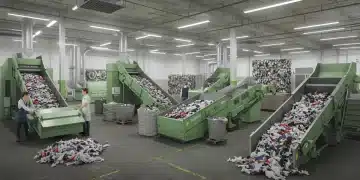
Traditional textile sorting is often manual, labor-intensive, and prone to errors. However, state-supported initiatives are driving the adoption of automated sorting systems that utilize artificial intelligence (AI), near-infrared (NIR) spectroscopy, and other advanced sensors. These systems can rapidly identify fiber composition, color, and even the presence of contaminates, allowing for more efficient and accurate sorting of textiles. This precision sorting is critical for high-quality recycling processes, as different fiber types require different recycling methods. The ability to sort large volumes of textiles quickly and accurately significantly increases the amount of material that can be effectively recycled, directly contributing to textile waste reduction.
Chemical and Mechanical Recycling Breakthroughs
New chemical recycling processes are emerging that can break down complex textile blends into their molecular components, which can then be re-polymerized into new fibers. This is particularly important for tackling mixed-fiber garments that are difficult to recycle mechanically. Mechanical recycling, which involves shredding textiles into fibers, is also seeing improvements, with new techniques allowing for better quality recycled fibers that can be spun into new yarns without significant degradation. These technological leaps are expanding the range of textiles that can be recycled and enhancing the quality of recycled materials, making textile waste reduction more effective.
Digital Platforms for Textile Reuse and Resale
While recycling is crucial, extending the lifespan of textiles through reuse is even more environmentally beneficial. State programs are often promoting and sometimes even partnering with digital platforms that facilitate the resale, swapping, or donation of used clothing. These platforms make it easier for consumers to find new homes for their unwanted garments, diverting them from landfills. The growth of the secondhand market, supported by these digital tools, is a key component of the overall textile waste reduction strategy.
Economic and Environmental Benefits of Textile Waste Reduction
The 8% improvement in textile waste reduction is not just an environmental win; it also brings substantial economic benefits.
Job Creation
The growth of the textile recycling and reuse sector creates new jobs across various skill levels, from collection and sorting to advanced manufacturing and design. This includes roles in logistics, processing facilities, research and development, and retail for secondhand goods. Investing in a circular textile economy contributes to local economies and builds a more resilient workforce.
Resource Conservation
By recycling and reusing textiles, the demand for virgin raw materials (cotton, polyester, etc.) decreases. This conserves natural resources like water and land, reduces energy consumption associated with manufacturing new fibers, and lessens the reliance on fossil fuels for synthetic fiber production. Each percentage point of textile waste reduction translates into significant resource savings.
Reduced Landfill Burden and Pollution
Diverting textiles from landfills reduces the volume of waste requiring disposal, extending the lifespan of existing landfills and reducing the need for new ones. Furthermore, it mitigates the environmental impact of landfilling, such as methane emissions from decomposing organic materials and leachate contamination of soil and groundwater. This directly improves local environmental quality and public health.
New Business Opportunities
The push for textile waste reduction is also fostering innovation and creating new business opportunities. Entrepreneurs are developing sustainable textile alternatives, new recycling technologies, and services for repair and upcycling. This vibrant ecosystem contributes to economic growth and positions the US as a leader in sustainable industries.
Challenges and the Path Forward
While the 8% improvement is highly encouraging, significant challenges remain in achieving comprehensive textile waste reduction. The sheer volume of textiles consumed and discarded annually still presents a formidable hurdle. Consistency across state programs, standardization of collection and sorting methods, and developing robust end-markets for all types of recycled textile materials are ongoing efforts.
One major challenge is the increasing complexity of textile blends. Many modern garments combine natural and synthetic fibers, making them difficult to recycle using current technologies. Further investment in research and development for advanced recycling solutions is essential. Additionally, consumer education needs to be continuous and evolving to keep pace with new technologies and best practices in sustainable consumption.
The path forward will require continued collaboration between state governments, federal agencies, industry stakeholders, and consumers. Expanding EPR programs, investing further in infrastructure, and fostering innovation will be critical. The goal is to move towards a truly circular textile economy where waste is minimized, and resources are continually cycled back into production.
Case Studies: States Leading the Charge
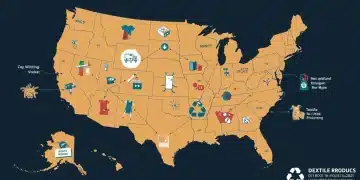
Several states have been particularly instrumental in driving this 8% improvement in textile waste reduction. While specific program details vary, their common thread is a commitment to proactive policy and investment.
- California’s Circular Economy Initiatives: California has been a leader in environmental policy, and its approach to textiles is no exception. The state has been exploring EPR for textiles and investing in pilot programs for advanced sorting and recycling technologies. Their focus on both policy and infrastructure has created a strong framework for progress.
- New York’s Textile Recovery Programs: New York has implemented various initiatives to increase textile collection points, including partnerships with retailers and non-profits. The state also emphasizes public education, making it easier for residents to participate in textile recycling and reuse programs.
- Massachusetts’ Waste Ban Expansion: Massachusetts has a long-standing waste ban on certain materials from landfills. Recently, there’s been discussion and consideration to expand this ban to include textiles, which would significantly divert them from disposal and drive investments in recycling infrastructure.
These examples illustrate how diverse state-level strategies, tailored to local contexts, are collectively contributing to the national trend of improved textile waste reduction. Their successes provide valuable blueprints for other states looking to enhance their own sustainability efforts.
The Role of Consumers in Sustaining Progress
While state programs and technological advancements are crucial, the sustained success of textile waste reduction ultimately depends on consumer behavior. Every individual has a role to play:
- Buy Less, Choose Well: Prioritize purchasing high-quality, durable garments that will last longer, reducing the need for frequent replacements.
- Repair and Reuse: Extend the life of clothing through repairs, upcycling, or by donating/selling unwanted items to others.
- Recycle Properly: Utilize available textile collection points and follow local guidelines for textile disposal. Even worn-out or damaged textiles can often be recycled into insulation, wiping rags, or new fibers.
- Support Sustainable Brands: Choose brands that prioritize sustainable practices, ethical production, and offer take-back programs for their products.
The collective power of informed consumer choices can amplify the impact of state programs and accelerate the shift towards a more sustainable textile industry. The 8% improvement is a testament to what can be achieved when policy, technology, and public participation align.
Conclusion: A Promising Future for Textile Sustainability
The data from H1 2026, showing an 8% improvement in US textile waste reduction, is a powerful indicator of progress. It underscores the effectiveness of new state programs that integrate Extended Producer Responsibility, enhanced collection infrastructure, public education, and incentives for innovation. This multi-pronged approach is not only mitigating environmental damage but also fostering economic growth and creating a more resilient and sustainable textile sector.
While the journey towards a fully circular textile economy is ongoing, this significant improvement provides momentum and demonstrates that ambitious goals are achievable. Continued investment, policy refinement, and sustained public engagement will be essential to build on this success. The future of fashion and textiles in the US looks increasingly green, with a growing commitment to minimizing waste and maximizing resource efficiency. This positive trend serves as an inspiration for other sectors and countries, proving that dedicated efforts can indeed lead to tangible environmental improvements and a more sustainable future for all.