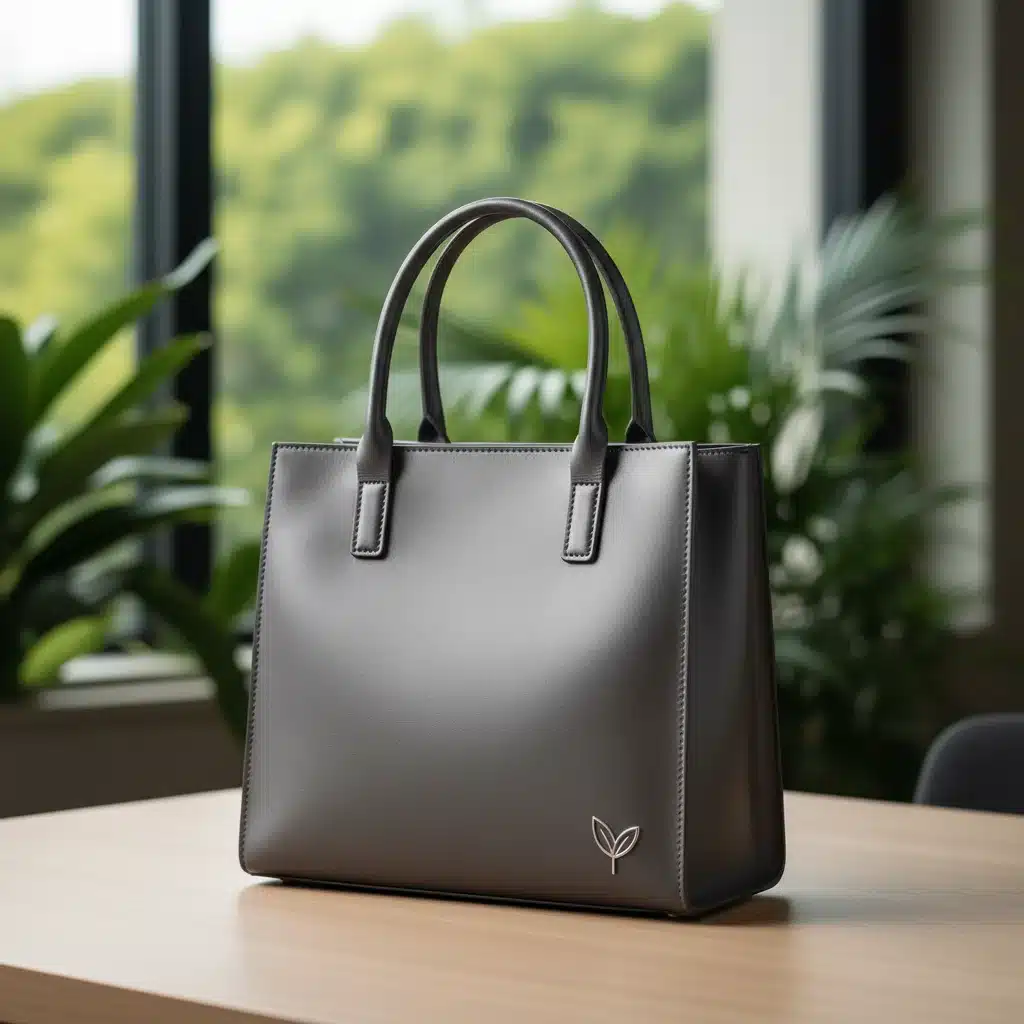
In a world increasingly driven by conscious consumerism and technological advancements, the choices we make about our clothing and accessories hold more weight than ever before. For decades, traditional leather has been a staple, synonymous with luxury, durability, and timeless style. However, as we step into 2026, a compelling alternative has not only emerged but has solidified its place as a formidable contender: vegan leather. While its ethical advantages are widely recognized, many are still unaware of the profound and often unforeseen benefits that make choosing vegan leather a truly superior decision. This article will delve into three critical, yet often overlooked, advantages of embracing vegan leather over its traditional counterpart in the current landscape.
Anúncios
The conversation around vegan leather often begins and ends with animal welfare. And while that is an undeniably crucial aspect, it merely scratches the surface of what this innovative material offers. Beyond the ethical considerations, vegan leather has evolved significantly, thanks to relentless research and development. It’s no longer just a ‘faux’ substitute; it’s a category of advanced materials with distinct properties that offer unique advantages. From enhanced durability and surprising versatility to a significantly reduced environmental footprint and even potential health benefits, the landscape of vegan leather is richer and more complex than many realize. Understanding these nuances is key to appreciating why this alternative is rapidly becoming the preferred choice for discerning consumers and leading brands alike.
The Dawn of Unprecedented Durability and Longevity in Vegan Leather
One of the most persistent misconceptions surrounding vegan leather is its perceived lack of durability compared to traditional leather. For years, critics argued that synthetic alternatives simply couldn’t stand the test of time, quickly cracking, peeling, or showing signs of wear. However, this narrative is largely outdated. In 2026, advancements in material science have propelled vegan leather into an era of unprecedented durability and longevity, often surpassing its animal-derived predecessor in specific applications.
Anúncios
Technological Leaps in Material Composition
Modern vegan leather is a far cry from the early PVC-based plastics that gave it a bad reputation. Today, innovators are utilizing a diverse range of sophisticated materials, including:
- Bio-based Polymers: Derived from corn, pineapple leaves, apple waste, mushroom mycelium, and even cacti, these materials offer remarkable tensile strength and resistance to abrasion. For instance, Pinatex, made from cellulose fibers extracted from pineapple leaves, is not only strong but also breathable and water-resistant.
- Advanced Polyurethanes (PU): While still synthetic, modern PUs are engineered to be far more durable, flexible, and resistant to hydrolysis (deterioration from water) than older formulations. They can mimic the texture and drape of real leather with incredible accuracy, while offering superior resistance to scuffs and scratches.
- Recycled Content: Many contemporary vegan leathers incorporate recycled plastics (like PET bottles) or textiles, reinforcing their structure and contributing to a circular economy. This not only enhances their physical properties but also addresses the issue of plastic waste.
These advanced compositions mean that many vegan leather products today are designed to withstand daily wear and tear with remarkable resilience. Unlike traditional leather, which can be susceptible to drying out, cracking, or staining if not meticulously maintained, high-quality vegan leather often requires less intensive care and can maintain its aesthetic appeal for longer periods. This enhanced durability translates directly into a longer lifespan for products, offering better value for money and reducing the frequency of replacements.
Resistance to Environmental Factors
Another significant advantage in terms of durability is vegan leather’s inherent resistance to certain environmental factors. Traditional leather, being an organic material, is prone to degradation from moisture, sunlight, and extreme temperatures. It can stiffen, crack, or even develop mold if not properly cared for. Vegan leather, particularly those made with advanced synthetic or bio-based polymers, often exhibits superior resistance to these elements. It’s less likely to fade under UV exposure, more resistant to water damage, and generally holds up better in varying climates without extensive conditioning.
This makes vegan leather an ideal choice for items exposed to the elements, such as outerwear, footwear, and automotive interiors. The consistency in material composition across a product also means that vegan leather items tend to age more uniformly, avoiding the uneven wear and tear that can sometimes plague traditional leather goods. The consistent performance and lower maintenance requirements are significant, yet often overlooked, benefits that contribute to the overall longevity and appeal of vegan leather products in 2026.
Beyond Ethics: Unveiling the Innovation and Versatility of Vegan Leather Materials
While the ethical imperative to avoid animal products is a primary driver for many choosing vegan leather, the material’s true potential lies in its astonishing innovation and versatility. Far from being a mere imitation, vegan leather has become a canvas for cutting-edge material science, offering a breadth of textures, finishes, and performance characteristics that traditional leather simply cannot match. This capacity for innovation is one of the most compelling, yet often underappreciated, vegan leather benefits.
A Spectrum of Sustainable Sources
The innovation in vegan leather production extends to its very origins. Gone are the days when ‘vegan leather’ was synonymous with petroleum-derived plastics. Today, the industry is a hotbed of biomaterial development, utilizing waste products and natural resources in ingenious ways:
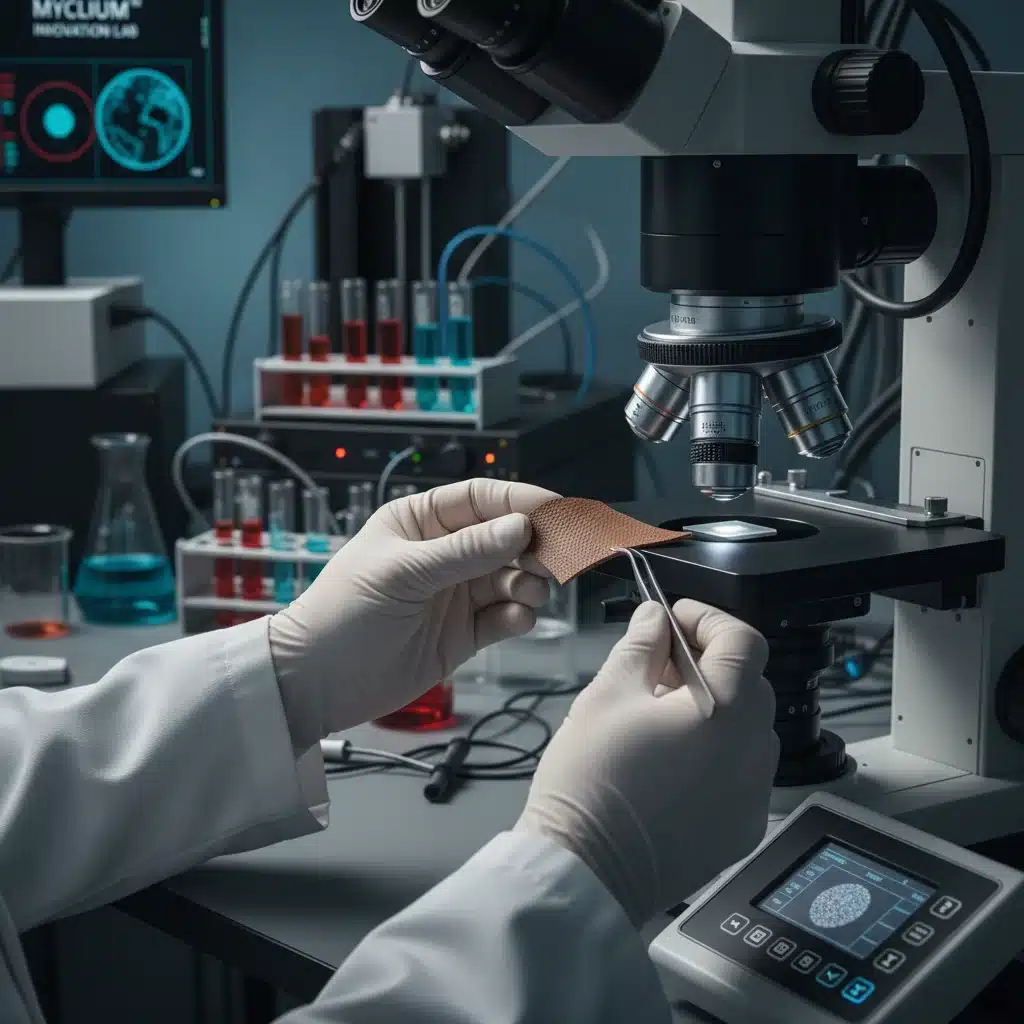
- Mushroom Leather (Mylo, Muskin): Derived from the root structure of mushrooms (mycelium), this material offers a soft, supple feel with remarkable strength. It’s biodegradable and can be grown efficiently, presenting a truly circular solution.
- Cactus Leather (Desserto): Made from nopal cactus, this material is highly sustainable, requiring minimal water and no pesticides. It boasts a luxurious feel and excellent durability, making it suitable for high-end fashion.
- Apple Leather: Utilizing apple pomace, a byproduct of the juice industry, this material transforms waste into a durable and aesthetically pleasing textile.
- Grape Leather: Similarly, grape pomace from winemaking is being repurposed into innovative leather alternatives, showcasing the potential of agricultural waste streams.
- Coffee Grounds: Even spent coffee grounds are finding new life as components in vegan leather, demonstrating the industry’s commitment to resourcefulness.
These bio-based vegan leather options not only reduce reliance on fossil fuels but also offer unique aesthetic properties and performance characteristics. The ability to engineer these materials from diverse sources means that designers are no longer constrained by the inherent limitations of animal hide. They can experiment with different levels of elasticity, breathability, and water resistance, tailoring the material precisely to the product’s intended use.
Unparalleled Customization and Aesthetic Freedom
The manufacturing process for vegan leather allows for a degree of customization that is simply impossible with traditional leather. While animal hides come with natural variations, scars, and blemishes, vegan leather can be produced with consistent texture, grain, and color from batch to batch. This consistency is invaluable for large-scale production and for designers aiming for a precise aesthetic.
Furthermore, vegan leather can be engineered to mimic virtually any texture or finish imaginable. From smooth, glossy patents to distressed, aged looks, and even exotic animal prints, the possibilities are endless. This opens up vast creative avenues for designers, allowing them to push boundaries and create products that are both innovative and visually stunning. The material can also be dyed in a limitless spectrum of colors without the environmental impact associated with traditional leather tanning. This versatility means that vegan leather is not just a substitute; it’s a material that enables new forms of expression and design previously unattainable.
The Environmental Imperative: Significant Sustainability Advantages of Vegan Leather
Perhaps the most critical, yet often underestimated, of the vegan leather benefits is its profound positive impact on the environment. While traditional leather has a substantial ecological footprint, modern vegan leather alternatives are increasingly designed with sustainability at their core, offering a significantly greener choice for the planet. This isn’t just about animal welfare; it’s about water consumption, land use, chemical pollution, and greenhouse gas emissions.
Reduced Water and Land Footprint
The livestock industry, from which traditional leather is a byproduct, is notoriously resource-intensive. Raising cattle requires vast amounts of land for grazing and feed production, contributing to deforestation and habitat loss. Furthermore, the water footprint of animal agriculture is astronomical. Producing just one kilogram of traditional leather can require thousands of liters of water, not only for the animals themselves but also for tanning and processing.
In stark contrast, many vegan leather alternatives, especially those derived from plants, have a dramatically lower water and land requirement. For instance, cactus leather thrives in arid conditions with minimal irrigation, and pineapple leaf leather utilizes agricultural waste that would otherwise be discarded. Even advanced synthetic vegan leathers, while still requiring energy for production, generally bypass the immense water and land demands associated with raising livestock. This reduction in resource consumption is a critical step towards more sustainable manufacturing practices.
Minimizing Chemical Pollution and Waste
The traditional leather tanning process is one of the most polluting industrial activities on the planet. It involves a cocktail of toxic chemicals, including chromium, formaldehyde, and various heavy metals, which are used to prevent decomposition and achieve desired textures and colors. These chemicals often end up in waterways, causing severe environmental contamination and posing significant health risks to workers and local communities.
Vegan leather production, while varying by material, generally avoids these highly toxic tanning agents. Bio-based vegan leathers are often processed using far fewer harmful chemicals, or even entirely chemical-free methods. Even synthetic vegan leathers, while they may involve chemical processes, typically do not utilize the same range of acutely toxic substances found in chrome tanning. Furthermore, the growing trend of incorporating recycled content into vegan leather helps divert waste from landfills, contributing to a more circular economy and reducing the demand for virgin resources. This shift dramatically lessens the burden of chemical pollution on our ecosystems.
Lower Carbon Emissions
The environmental impact of traditional leather extends to its significant contribution to greenhouse gas emissions. Methane emissions from cattle are a potent greenhouse gas, far more impactful than carbon dioxide over a shorter timeframe. The entire supply chain, from feed production to transportation and processing, adds to the carbon footprint of animal leather.
While the carbon footprint of vegan leather varies depending on the specific material and manufacturing process, most studies indicate a significantly lower overall impact compared to traditional leather. Plant-based alternatives, in particular, can have a much smaller carbon footprint, especially when they utilize agricultural waste products. Even advanced synthetic vegan leathers are often produced with more energy-efficient methods and do not contribute to methane emissions from livestock. Choosing vegan leather is therefore a tangible way for consumers to reduce their personal contribution to climate change, making it a powerful statement for environmental stewardship in 2026.
Addressing Common Criticisms: Biodegradability and Microplastics
It’s important to acknowledge that vegan leather, particularly older or purely synthetic versions, has faced its own set of environmental criticisms, primarily concerning biodegradability and microplastic shedding. However, in 2026, the industry is actively addressing these challenges with innovative solutions.
The Biodegradability Frontier
While traditional PU-based vegan leathers are not biodegradable, the rapid development of bio-based alternatives is changing this narrative. Mushroom, pineapple, apple, and cactus leathers are often designed to be biodegradable or compostable at the end of their life cycle, offering a truly circular solution. Manufacturers are also exploring bio-based PUs and other polymers that can break down more readily in natural environments. This focus on end-of-life solutions is a crucial aspect of the evolving sustainability of vegan leather.
Mitigating Microplastic Concerns
Synthetic textiles, including some vegan leathers, can shed microplastics during washing or wear. The industry is tackling this through several approaches:
- Innovative Fiber Structures: Developing materials with more robust fiber bonds to reduce shedding.
- Bio-based Coatings: Replacing petroleum-based coatings with plant-derived alternatives that are less prone to breaking down into microplastics.
- Recycled and Upcycled Content: Utilizing existing plastic waste reduces the demand for new plastics, even if the material itself still has microplastic potential.
Furthermore, the overall environmental impact of microplastics from vegan leather needs to be weighed against the significant and immediate environmental damage caused by traditional leather production, including deforestation, water pollution, and greenhouse gas emissions. The ongoing research and development in vegan leather aim to minimize all negative environmental footprints, making it an increasingly responsible choice.
The Economic Landscape: Cost-Effectiveness and Market Growth
Beyond the ethical and environmental considerations, the economic advantages of vegan leather are becoming increasingly apparent in 2026. While some premium bio-based vegan leathers might initially have a higher price point due to nascent technology and smaller production scales, the overall trend points towards greater cost-effectiveness and significant market growth.
Competitive Pricing and Accessibility
For many years, traditional leather was seen as the benchmark for luxury and quality, often commanding premium prices. However, the scalability of vegan leather production, particularly for synthetic and some plant-based varieties, means that it can often be manufactured at a lower cost. This translates into more accessible pricing for consumers, making stylish and durable products available to a wider demographic. As production technologies mature and economies of scale are achieved for newer bio-based materials, their costs are also expected to decrease, further enhancing the competitive edge of vegan leather.
This accessibility is not just about price; it’s about democratizing sustainable and ethical fashion. By offering high-quality alternatives at various price points, vegan leather empowers more consumers to make choices that align with their values without breaking the bank. This broad appeal is a key factor in its growing market share and influence.
Market Growth and Investment
The vegan leather market is experiencing exponential growth, attracting significant investment from both established fashion houses and innovative startups. This influx of capital fuels further research and development, leading to even better materials and more efficient production methods. A recent report projected the global vegan leather market to reach billions by the end of the decade, indicating a strong belief in its long-term viability and profitability.
This growth isn’t just a trend; it’s a fundamental shift in consumer demand and industry priorities. Brands that embrace vegan leather are often seen as forward-thinking, aligning with modern values of sustainability and ethical production. This positive brand perception can translate into increased sales and customer loyalty, providing a compelling business case for the adoption of vegan leather. The continuous innovation in this sector promises even more advanced, sustainable, and cost-effective solutions in the years to come, solidifying the economic benefits of choosing vegan leather.
The Future is Vegan: Embracing a Sustainable and Innovative Material
As we navigate 2026, the landscape of materials science and consumer ethics continues to evolve at a rapid pace. The choice between traditional and vegan leather is no longer just about animal welfare; it’s a multifaceted decision influenced by durability, innovation, environmental impact, and economic viability. The unforeseen vegan leather benefits discussed—unprecedented durability, astonishing versatility and innovation, and significant sustainability advantages—paint a clear picture of a material that is not only catching up to but, in many respects, surpassing its animal-derived predecessor.
The advancements in bio-based materials, coupled with a commitment to reducing environmental footprints and improving product longevity, position vegan leather as a cornerstone of future fashion and product design. Consumers are increasingly demanding transparency, ethical production, and sustainable options, and vegan leather rises to meet these demands with remarkable efficacy. From high fashion runways to everyday accessories, the presence of sophisticated, durable, and eco-friendly vegan leather is becoming ubiquitous.
Choosing vegan leather in 2026 is an act of foresight. It’s a vote for a more sustainable planet, for innovation that respects natural resources, and for a future where style and ethics are not mutually exclusive. As the industry continues to innovate, the benefits of vegan leather will only grow, making it an increasingly obvious and impactful choice for conscious consumers worldwide. Embrace the future; embrace vegan leather.