Water Conservation in Dyeing: Advanced 2026 Educational Strategies for Textile Manufacturers
Anúncios
The textile industry, a cornerstone of global commerce and culture, faces an increasingly urgent imperative: sustainability. Among its most significant environmental challenges is water consumption, particularly in the dyeing and finishing processes. As we look towards 2026 and beyond, the need for robust, forward-thinking educational strategies to promote textile dyeing water conservation becomes paramount. This article explores the advanced educational frameworks, technological integrations, and collaborative approaches that will empower textile manufacturers to drastically reduce their water footprint.
Anúncios
The traditional textile dyeing process is notorious for its intensive water usage and the subsequent discharge of contaminated wastewater. This not only strains freshwater resources but also contributes to significant environmental pollution. Recognizing this, the industry is at a pivotal juncture, demanding innovative solutions and, critically, a well-informed workforce capable of implementing them. Education is not merely about imparting knowledge; it’s about fostering a culture of sustainability, driving innovation, and preparing the next generation of textile professionals for a resource-constrained world.
The Urgency of Water Conservation in Textile Dyeing
Before delving into educational strategies, it’s essential to understand the scale of the challenge. The global textile industry consumes an estimated 79 billion cubic meters of water annually, with dyeing and finishing accounting for a substantial portion. This staggering figure highlights the environmental cost of traditional practices and underscores why textile dyeing water conservation is not just a corporate social responsibility initiative but a business imperative for long-term viability. Climate change, population growth, and increasing regulatory pressures are all converging to make water an ever-scarcer and more expensive resource. Manufacturers who fail to adapt risk not only reputational damage but also operational disruptions and increased costs.
Anúncios
The urgency is further amplified by consumer demand for sustainable products. A growing segment of the market actively seeks out brands that demonstrate a commitment to environmental stewardship. This shift in consumer values provides a powerful incentive for textile manufacturers to invest in water-saving technologies and processes, and equally important, in the education required to implement and manage them effectively. By prioritizing textile dyeing water conservation, companies can enhance their brand image, attract environmentally conscious consumers, and secure a competitive advantage in a rapidly evolving market.
Foundational Pillars of 2026 Educational Strategies
Effective educational strategies for textile dyeing water conservation in 2026 will be built upon several foundational pillars:
1. Integrating Sustainability into Core Curricula
The first step is to embed sustainability principles, particularly water conservation, directly into the core curricula of textile engineering, chemical engineering, and fashion design programs. This means moving beyond standalone modules and making water efficiency an integral part of every stage of textile production education. Students should learn about the water footprint of different fibers, dyeing techniques, and finishing processes from the outset of their studies.
- Early Exposure: Introduce concepts of water scarcity and environmental impact in foundational courses.
- Case Studies: Utilize real-world examples of successful water conservation initiatives in leading textile companies.
- Project-Based Learning: Assign projects that require students to design and optimize dyeing processes for minimal water usage.
- Interdisciplinary Approach: Foster collaboration between textile science, environmental science, and data analytics departments to create holistic solutions.
2. Advanced Technological Training
The landscape of textile dyeing is being revolutionized by new technologies. Educational programs must equip professionals with the skills to operate, maintain, and innovate with these advanced systems. This includes:
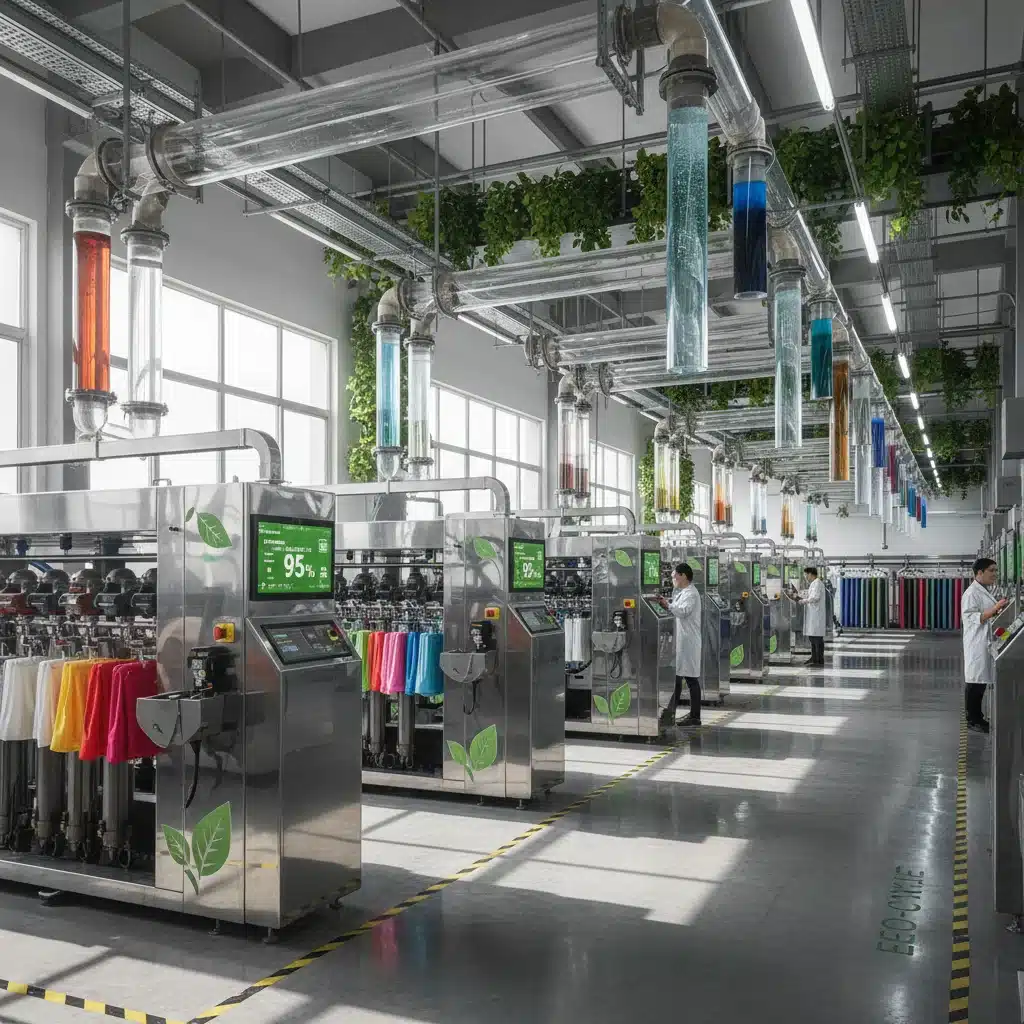
- Digitalization and Industry 4.0: Training on smart sensors, IoT devices, and data analytics platforms that monitor real-time water consumption, optimize dye baths, and identify areas for efficiency improvement.
- Waterless Dyeing Technologies: In-depth education on techniques such as supercritical CO2 dyeing, air-dyeing, and foam dyeing, which significantly reduce or eliminate water usage.
- Advanced Wastewater Treatment: Training on cutting-edge filtration, membrane technologies, and biological treatments for effective water recycling and reuse within the dyeing facility.
- Automation and Robotics: Understanding how automation can lead to more precise chemical dosing and reduced water waste.
3. Upskilling and Reskilling the Existing Workforce
While new graduates are vital, the existing workforce represents a vast pool of experience. Educational strategies must include comprehensive upskilling and reskilling programs for current textile professionals. These programs should be flexible, accessible, and tailored to different roles within a manufacturing facility.
- Modular Online Courses: Offer self-paced modules on specific water conservation techniques, accessible to employees with varying schedules.
- Hands-on Workshops: Provide practical training with new equipment and processes, allowing employees to gain direct experience.
- Certification Programs: Develop industry-recognized certifications for water efficiency specialists in textile dyeing.
- Leadership Training: Equip managers and supervisors with the knowledge to champion sustainability initiatives and foster a culture of water conservation.
Key Educational Strategies for 2026 and Beyond
1. Virtual and Augmented Reality (VR/AR) Training
By 2026, VR and AR will be indispensable tools for training in textile dyeing water conservation. These immersive technologies can simulate complex dyeing processes, allowing employees to practice optimizing water usage, troubleshooting equipment, and experimenting with new techniques in a risk-free environment. For instance, a VR simulation could allow a technician to virtually adjust parameters of a dyeing machine to see the immediate impact on water consumption and effluent quality, without wasting actual resources.
- Simulated Dye House: Create virtual replicas of dyeing facilities for training operators on optimal water use and machinery operation.
- Maintenance Training: Use AR overlays to guide technicians through maintenance procedures for water-saving equipment.
- Process Optimization: Allow engineers to experiment with different dye recipes and washing cycles in a virtual environment to identify the most water-efficient approaches.
2. Data-Driven Decision Making and Analytics
The ability to collect, analyze, and interpret data is crucial for optimizing water use. Educational programs must focus on developing data literacy among textile professionals. This includes understanding how to use dashboards, interpret sensor data, and apply statistical methods to identify inefficiencies and measure the impact of conservation efforts. Training should cover:
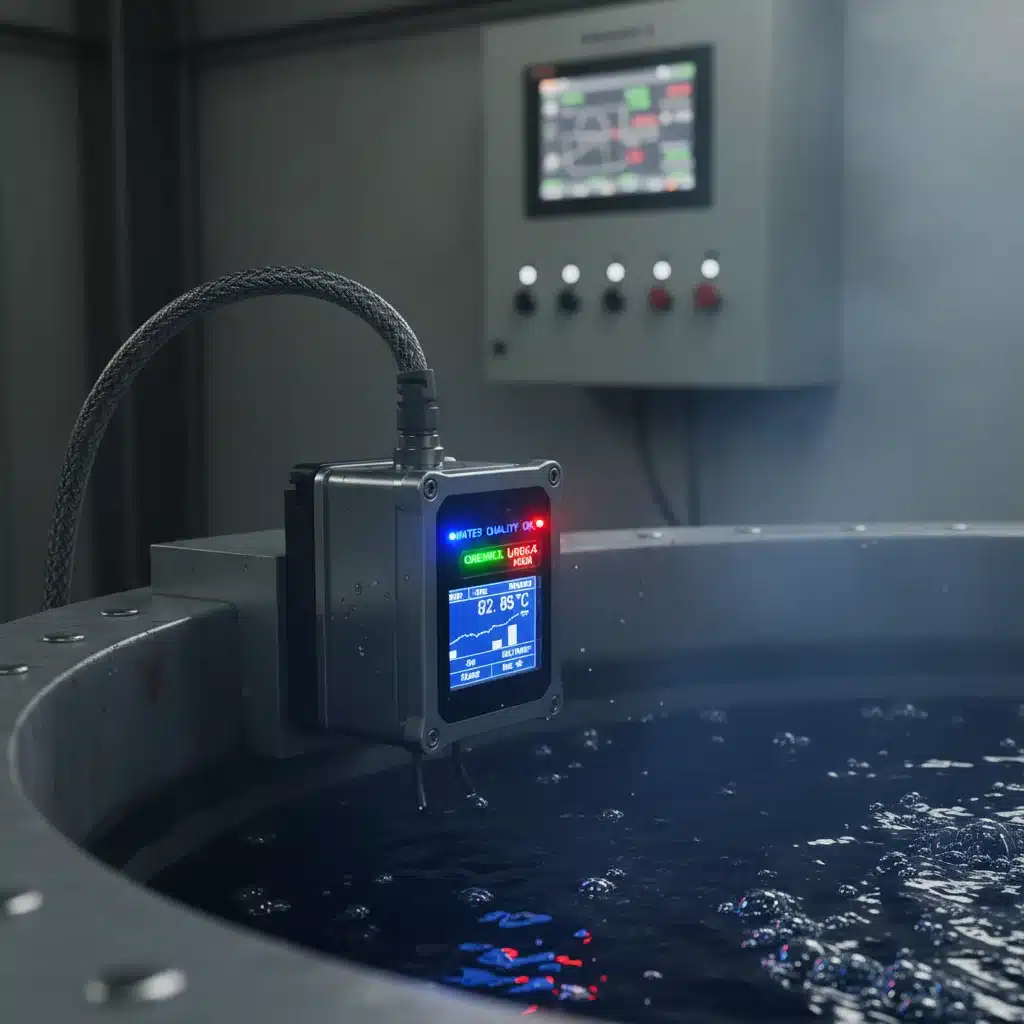
- IoT Sensor Integration: How to install, calibrate, and interpret data from sensors monitoring water flow, temperature, pH, and conductivity.
- Predictive Analytics: Using historical data to forecast water demand, identify potential bottlenecks, and prevent excessive water usage.
- Lifecycle Assessment (LCA) Software: Training on tools that evaluate the environmental impact, including water footprint, of textile products throughout their entire lifecycle.
- Reporting and Benchmarking: How to generate comprehensive reports on water consumption and benchmark performance against industry standards and best practices.

3. Circular Economy Principles in Dyeing
Moving beyond mere conservation, educational strategies must integrate circular economy principles. This means designing dyeing processes that minimize waste, maximize resource utility, and facilitate the reuse and recycling of water and chemicals. Training should cover:
- Water Recycling and Reuse: In-depth understanding of closed-loop systems, advanced filtration, and purification technologies to reuse process water.
- Chemical Management: Education on sustainable chemical alternatives, optimizing chemical dosages, and recovering dyes and auxiliaries from wastewater.
- Textile-to-Textile Recycling: Understanding how dyeing processes can be adapted to accommodate recycled fibers and how to design products for future recyclability.
- Waste Heat Recovery: Implementing systems to recover heat from wastewater, reducing energy consumption associated with heating fresh water.
4. Collaborative Industry-Academia Partnerships
To ensure educational programs remain relevant and cutting-edge, strong partnerships between academic institutions and the textile industry are vital. These collaborations can facilitate:
- Joint Research Projects: Academia and industry can collaborate on research into new water-saving dyeing technologies and processes.
- Curriculum Development: Industry experts can provide input on curriculum design, ensuring that educational content aligns with current and future industry needs.
- Internship and Apprenticeship Programs: Provide students with practical experience in facilities implementing advanced water conservation measures.
- Technology Transfer: Facilitate the adoption of new research findings and technologies from universities into industrial practice.
5. Policy and Regulatory Awareness
Textile manufacturers operate within a complex web of environmental regulations. Educational programs must ensure that professionals are well-versed in current and impending water conservation policies, both local and international. This includes:
- Environmental Legislation: Understanding national and international laws pertaining to water discharge, chemical usage, and pollution control.
- Voluntary Standards and Certifications: Knowledge of certifications like ZDHC (Zero Discharge of Hazardous Chemicals), Bluesign, and GOTS (Global Organic Textile Standard) that promote responsible water management.
- Best Available Techniques (BAT): Awareness of the most effective and advanced techniques for preventing and minimizing water pollution from industrial activities.
- Risk Assessment: Training on identifying water-related risks and developing mitigation strategies to ensure compliance and avoid penalties.
Challenges and Opportunities in Implementation
Challenges:
- Cost of Investment: Implementing new technologies and comprehensive training programs can be expensive.
- Resistance to Change: Established practices can be difficult to alter, requiring strong leadership and compelling demonstrations of benefits.
- Lack of Skilled Trainers: A shortage of educators with expertise in both textile dyeing and advanced water conservation technologies.
- Data Overload: While data is critical, managing and interpreting vast amounts of data effectively requires specialized skills.
Opportunities:
- Enhanced Efficiency: Reduced water and energy consumption leads to significant cost savings.
- Improved Brand Image: Strong sustainability credentials attract environmentally conscious consumers and investors.
- Regulatory Compliance: Proactive adoption of conservation measures ensures compliance with evolving environmental laws.
- Innovation and Competitive Advantage: Leading the way in sustainable practices can position manufacturers as industry pioneers.
- Talent Attraction: Companies committed to sustainability are often more attractive to top talent, especially younger generations.
Case Studies and Best Practices
To illustrate the effectiveness of these strategies, consider examples of textile manufacturers already making strides in textile dyeing water conservation:
Company A: Closed-Loop Water System Pioneer
Company A, a large denim manufacturer, invested heavily in a closed-loop water recycling system. They partnered with a local university to train their entire workforce on the operation and maintenance of the advanced filtration and purification technologies. Through this educational initiative, their water consumption per pair of jeans dropped by 80% within three years. Their success was not just in installing the technology, but in empowering their employees with the knowledge to maximize its efficiency.
Company B: Digitalization for Dye Bath Optimization
Company B implemented a comprehensive Industry 4.0 solution for their dyeing facility. This involved installing IoT sensors in all dye vats, connecting them to a central analytics platform. They then developed an internal training program, using VR simulations, to teach operators how to interpret real-time data and make precise adjustments to dye recipes and washing cycles. This led to a 30% reduction in water usage and a 15% decrease in chemical consumption, primarily due to optimized processes driven by data-literate employees.
Company C: Embracing Waterless Dyeing
Company C transitioned a significant portion of its production to supercritical CO2 dyeing. This required a complete overhaul of their operational processes and a substantial educational investment. They collaborated with technology providers to deliver specialized training to their engineers and technicians. The result was a near-elimination of water usage in the treated segments of their production, setting a new benchmark for sustainable dyeing practices.
The Role of Government and Non-Governmental Organizations (NGOs)
Governments and NGOs have a crucial role to play in supporting these educational endeavors. They can:
- Provide Funding: Offer grants and subsidies for companies investing in water-saving technologies and employee training.
- Develop Standards: Establish clear guidelines and performance standards for water efficiency in textile manufacturing.
- Facilitate Knowledge Sharing: Create platforms for sharing best practices, research findings, and educational resources across the industry.
- Advocate for Policy Changes: Support policies that incentivize sustainable practices and penalize excessive water pollution.
- Public Awareness Campaigns: Educate consumers about the environmental impact of textile production and the importance of supporting sustainable brands.
Future Outlook: A Water-Wise Textile Industry
By 2026, the textile industry should be well on its way to a water-wise future, driven by advanced educational strategies. The integration of sustainability into curricula, coupled with cutting-edge technological training, will create a workforce fully equipped to tackle the challenges of water scarcity. The emphasis on data-driven decision-making, circular economy principles, and strong industry-academia partnerships will accelerate the adoption of innovative solutions for textile dyeing water conservation.
The journey towards a truly sustainable textile industry is continuous, but with a concerted focus on education, textile manufacturers can transform their operations, not just to meet regulatory requirements or consumer demands, but to become stewards of our planet’s most precious resource. The investment in education today is an investment in a more resilient, responsible, and prosperous textile industry tomorrow.
Key Takeaways for Textile Manufacturers:
- Prioritize Education: Make continuous learning and development in water conservation a core business strategy.
- Embrace Technology: Invest in smart systems, waterless dyeing, and advanced wastewater treatment, and train your staff to use them effectively.
- Foster Collaboration: Work with academic institutions, technology providers, and industry peers to share knowledge and accelerate innovation.
- Think Circular: Implement circular economy principles to maximize resource efficiency and minimize waste in dyeing processes.
- Stay Informed: Keep abreast of evolving regulations, voluntary standards, and best practices in water management.
The future of textile dyeing is intrinsically linked to its ability to conserve water. Through advanced educational strategies, the industry can not only mitigate its environmental impact but also unlock new avenues for innovation, efficiency, and long-term success. The time to act and educate is now, ensuring that 2026 marks a significant turning point towards a truly sustainable textile manufacturing landscape.