Navigating 2026 U.S. Ethical Sourcing Regulations in Fashion: A Comprehensive Guide

Anúncios
The fashion industry, a global behemoth, is constantly evolving, not just in trends and styles, but also in its operational ethics and regulatory landscape. As we approach 2026, the United States is poised to introduce significant new regulations aimed at bolstering ethical sourcing practices within the fashion sector. These impending changes are not merely bureaucratic hurdles; they represent a pivotal shift towards greater accountability, transparency, and sustainability across the entire supply chain. For brands, manufacturers, and consumers alike, understanding and preparing for these ethical fashion regulations is paramount. This comprehensive guide delves into the specifics of these upcoming mandates, offering educational insights to help stakeholders navigate the complex terrain of compliance and responsible production.
Anúncios
The journey towards more ethical and sustainable fashion has been a long one, driven by increasing consumer awareness, advocacy groups, and a growing recognition of the industry’s environmental and social footprint. From fast fashion’s impact on labor rights and waste generation to the often-opaque supply chains that obscure exploitative practices, the need for stringent oversight has never been clearer. The 2026 U.S. regulations are a direct response to these pressures, designed to create a more level playing field for responsible businesses and to protect vulnerable workers and ecosystems. This article will explore the core tenets of these regulations, their potential impact, and practical strategies for businesses to not only comply but to thrive in this new era of conscious capitalism.
The Genesis of New Ethical Fashion Regulations: Why Now?
The impetus behind the 2026 U.S. ethical fashion regulations stems from a confluence of factors. Public outcry over labor abuses, such as those highlighted by the Rana Plaza factory collapse in 2013, brought the hidden costs of cheap fashion into sharp focus. Environmental concerns, including excessive water usage, chemical pollution from dyeing processes, and the sheer volume of textile waste, have also reached critical levels. Furthermore, the rise of conscious consumerism means that a significant portion of the market now actively seeks out brands that demonstrate a commitment to ethical and sustainable practices. Governments, in turn, are responding to these societal shifts and the imperative to foster a more responsible global economy.
Anúncios
Existing regulations, while present, have often been fragmented or lacked the teeth necessary to enforce genuine change. The new U.S. framework aims to address these shortcomings by establishing clearer guidelines, stricter enforcement mechanisms, and a broader scope that encompasses various stages of the supply chain. This proactive approach seeks to mitigate risks associated with forced labor, child labor, unsafe working conditions, and environmental degradation, thereby safeguarding human rights and promoting ecological stewardship. Understanding this foundational motivation is key to appreciating the depth and breadth of the upcoming regulatory changes and their long-term implications for the fashion industry.
Key Pillars of the 2026 U.S. Ethical Fashion Regulations
While the final specific details are still being refined, preliminary insights suggest that the 2026 U.S. ethical fashion regulations will likely center around several critical pillars. These include enhanced supply chain transparency, due diligence requirements, reporting obligations, and mechanisms for accountability. Each of these components is designed to create a more robust and verifiable system of ethical sourcing.
1. Enhanced Supply Chain Transparency
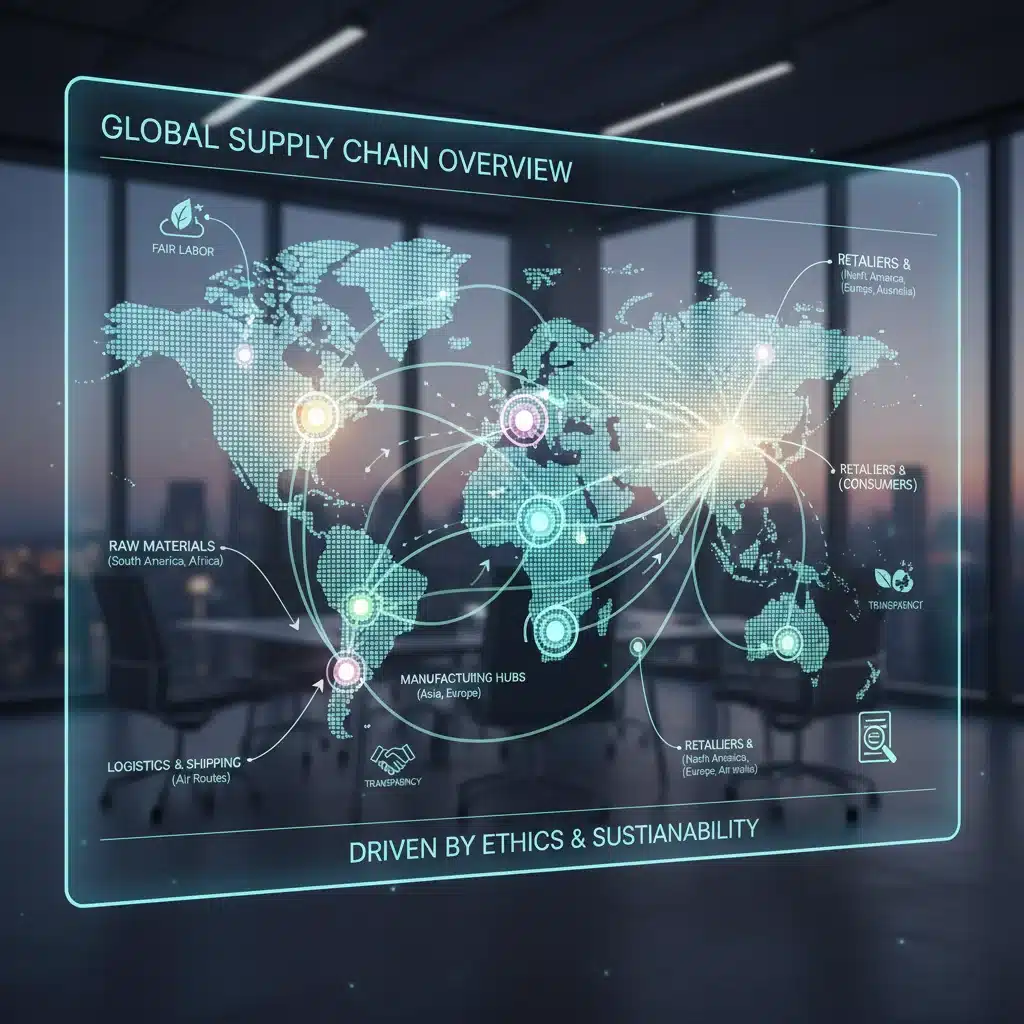
Transparency will be a cornerstone of the new regulations. Fashion brands will be expected to map out their entire supply chain, from the origin of raw materials (e.g., cotton farms, sheep ranches) to the finished product. This goes beyond simply identifying direct suppliers; it will necessitate tracing materials and components through multiple tiers of production. The goal is to eliminate blind spots where unethical practices can flourish undetected. Companies will likely need to disclose information about their suppliers, including factory locations, labor practices, and environmental certifications. This increased visibility will empower consumers, investors, and regulatory bodies to make more informed decisions and hold companies accountable.
2. Mandatory Human Rights and Environmental Due Diligence
A significant shift will be the mandatory requirement for companies to conduct comprehensive human rights and environmental due diligence. This means actively identifying, assessing, mitigating, and accounting for human rights and environmental risks within their supply chains. This isn’t a one-off exercise but an ongoing process. Businesses will need to implement robust systems to monitor their suppliers for adherence to labor laws, fair wages, safe working conditions, and environmental standards. This proactive approach aims to prevent harm rather than merely reacting to it after the fact. It will likely involve risk assessments, supplier audits, and corrective action plans for identified issues.
3. Reporting and Disclosure Obligations
To ensure accountability, the new regulations will likely mandate extensive reporting and disclosure. Fashion companies operating in the U.S. market, or those importing into it, will be required to publish annual reports detailing their due diligence efforts, risk assessments, and findings related to ethical sourcing. These reports will need to be accessible to the public, providing a clear picture of a company’s commitment and progress. The scope of reporting might include information on forced labor risks, child labor prevention, environmental impact metrics, and remediation efforts. This public disclosure will serve as a powerful tool for consumer advocacy and investor scrutiny.
4. Accountability and Enforcement Mechanisms
The efficacy of any regulation hinges on its enforcement. The 2026 framework is expected to include clear mechanisms for accountability, potentially involving penalties for non-compliance, legal recourse for victims of labor abuses, and import restrictions on goods produced unethically. The U.S. government, through agencies like Customs and Border Protection (CBP) and the Department of Labor, will likely play a more active role in enforcing these standards. This strengthened enforcement will provide a strong incentive for companies to prioritize ethical fashion regulations and invest in truly responsible supply chains.
Impact on the Fashion Industry: Challenges and Opportunities
The introduction of these stringent ethical fashion regulations will undoubtedly present both challenges and opportunities for the fashion industry. Companies that have historically relied on opaque, low-cost sourcing models will face the most significant hurdles, while those already committed to ethical practices may find themselves at a competitive advantage.
Challenges for Businesses:
- Increased Costs: Implementing robust due diligence, auditing, and reporting systems will require significant financial investment. Brands may need to allocate more resources to supply chain management, technology solutions for traceability, and staff training.
- Supply Chain Complexity: Many fashion supply chains are incredibly complex, involving numerous tiers and subcontractors across various countries. Gaining full visibility and control over every stage will be a daunting task for many companies.
- Data Management: The sheer volume of data required for transparency and reporting will necessitate sophisticated data management systems. Companies will need to collect, verify, and store information on thousands of suppliers and their practices.
- Risk of Non-Compliance: Failure to comply with the new regulations could result in hefty fines, damaged brand reputation, import bans, and legal challenges, posing significant business risks.
- Supplier Engagement: Convincing and supporting suppliers, especially smaller ones, to adopt new standards and provide necessary data will require strong engagement strategies and potentially capacity-building initiatives.
Opportunities for Businesses:
- Enhanced Brand Reputation: Companies that proactively embrace and exceed the new ethical fashion regulations will build stronger brand trust and loyalty among conscious consumers. Ethical credentials can become a powerful differentiator.
- Improved Risk Management: Greater supply chain visibility and due diligence will help companies identify and mitigate risks related to labor abuses, environmental damage, and reputational harm before they escalate.
- Operational Efficiency: Streamlining supply chains for transparency can lead to greater efficiency, better quality control, and more resilient sourcing networks.
- Innovation and Sustainability: The pressure to comply can spur innovation in sustainable materials, production processes, and circular economy models, driving the industry towards a more sustainable future.
- Attracting Talent and Investment: Companies with strong ethical and sustainable practices are increasingly attractive to top talent and socially responsible investors, fostering long-term growth.
Strategies for Compliance and Beyond
For fashion businesses, merely reacting to the 2026 U.S. ethical fashion regulations will not be enough. A proactive and strategic approach is essential to ensure compliance and leverage these changes for long-term success. Here are key strategies:
1. Map Your Entire Supply Chain
The first step is to gain a complete understanding of your supply chain. This means going beyond Tier 1 suppliers to identify subcontractors, raw material providers, and even component manufacturers. Utilize supply chain mapping tools and platforms to visualize and document every stage. This granular understanding is fundamental to identifying potential risk areas and implementing effective due diligence.
2. Implement Robust Due Diligence Systems
Develop and implement a comprehensive due diligence framework. This should include:
- Risk Assessments: Regularly assess human rights and environmental risks across your supply chain, considering geographical factors, product types, and supplier profiles.
- Supplier Audits: Conduct independent third-party audits of supplier facilities to verify compliance with labor standards, safety regulations, and environmental protocols.
- Code of Conduct: Establish a clear and enforceable supplier code of conduct that outlines your expectations regarding labor practices, environmental stewardship, and business ethics.
- Contractual Agreements: Integrate ethical sourcing clauses into all supplier contracts, making compliance a contractual obligation.
3. Invest in Technology for Traceability
Leverage technology to enhance traceability and data management. Blockchain, RFID tags, and other digital solutions can provide immutable records of product origins, production processes, and certifications. These tools can significantly streamline data collection, verification, and reporting, reducing the administrative burden and increasing accuracy.
4. Foster Supplier Collaboration and Capacity Building
Compliance is a shared responsibility. Work collaboratively with your suppliers to help them meet the new standards. This might involve providing training on labor rights, environmental management, or best practices. Offer support and resources to help them improve their operations, rather than simply cutting ties. Building strong, ethical supplier relationships is crucial for a resilient supply chain.
5. Develop a Comprehensive Reporting Framework
Prepare for the mandatory reporting requirements by establishing an internal framework for data collection, analysis, and disclosure. Ensure that your reporting is accurate, transparent, and easily understandable. Consider utilizing globally recognized reporting standards like the Global Reporting Initiative (GRI) or the Sustainable Accounting Standards Board (SASB) to enhance credibility.
6. Engage Stakeholders and Communicate Transparently
Proactively engage with internal and external stakeholders, including employees, investors, NGOs, and consumers. Communicate your commitment to ethical fashion regulations and your progress towards compliance. Transparency builds trust and can turn regulatory challenges into opportunities for positive brand storytelling.
7. Continuous Improvement and Monitoring
Ethical sourcing is not a static goal but an ongoing journey. Establish mechanisms for continuous monitoring and improvement. Regularly review your due diligence processes, audit results, and supplier performance. Be prepared to adapt your strategies as new risks emerge or regulations evolve.

The Broader Implications: A Shift Towards Regenerative Fashion
The 2026 U.S. ethical fashion regulations are more than just a set of rules; they are a catalyst for a fundamental transformation within the industry. By mandating greater transparency and accountability, these regulations push fashion beyond mere sustainability towards a more regenerative model. Regenerative fashion aims not just to minimize harm but to actively restore and replenish natural systems and foster equitable social structures.
This paradigm shift encourages brands to rethink their entire business model, from design and material selection to production and end-of-life solutions. It promotes the adoption of circular economy principles, where waste is minimized, resources are reused, and products are designed for longevity and recyclability. It also champions fair wages, safe working conditions, and community empowerment throughout the value chain. While the initial focus of the regulations is on preventing negative impacts, their long-term effect will likely be to accelerate the industry’s transition towards truly positive social and environmental contributions.
Consumer behavior will also play a crucial role in amplifying the impact of these regulations. As more information becomes available through mandatory disclosures, consumers will be better equipped to choose brands that align with their values. This increased demand for ethically produced goods will, in turn, further incentivize companies to invest in responsible practices, creating a virtuous cycle of positive change.
Looking Ahead: Preparing for the Future of Fashion
The countdown to 2026 has begun, and the time for preparation is now. Fashion businesses that proactively embrace these upcoming U.S. ethical fashion regulations will not only ensure compliance but will also position themselves as leaders in a rapidly evolving market. This requires a commitment from the top down, integrating ethical considerations into core business strategy and operational decision-making.
The journey will not be without its complexities. It will demand significant investment in resources, technology, and human capital. However, the benefits of building a truly ethical and transparent supply chain far outweigh the challenges. Beyond avoiding penalties, companies will gain enhanced brand reputation, improved risk management, greater operational efficiency, and a stronger connection with a growing base of conscious consumers.
Ultimately, the 2026 U.S. ethical fashion regulations represent a critical step towards a more responsible, sustainable, and equitable fashion industry. By understanding these changes, implementing robust compliance strategies, and embracing the broader vision of regenerative fashion, businesses can not only meet regulatory demands but also contribute to a better future for people and the planet.
Frequently Asked Questions (FAQs)
Q1: What are the primary goals of the 2026 U.S. ethical fashion regulations?
A1: The primary goals are to enhance transparency, ensure human rights and environmental due diligence, prevent forced labor and child labor, and promote sustainable practices across the fashion supply chain. They aim to hold companies accountable for their social and environmental impact.
Q2: Which companies will be affected by these new regulations?
A2: The regulations are expected to affect all fashion companies operating in the U.S. market or importing goods into the U.S., regardless of their size. The specific thresholds for applicability (e.g., revenue, employee count) will be detailed in the final legislation, but it’s wise for all businesses to prepare.
Q3: What constitutes ‘due diligence’ under these new regulations?
A3: Due diligence will involve actively identifying, assessing, mitigating, and accounting for human rights and environmental risks throughout a company’s supply chain. This includes conducting risk assessments, performing supplier audits, establishing a code of conduct, and implementing corrective actions.
Q4: How can small and medium-sized enterprises (SMEs) prepare for these regulations?
A4: SMEs should start by mapping their immediate supply chain, establishing clear ethical guidelines for suppliers, and considering joining industry initiatives or utilizing technology solutions that offer simplified traceability. Collaboration with larger partners or industry associations can also provide valuable resources and support.
Q5: What are the potential penalties for non-compliance?
A5: Penalties for non-compliance could include significant financial fines, import bans on goods, reputational damage, and potential legal action from affected parties or regulatory bodies. The exact nature and severity of penalties will be outlined in the final regulatory framework.
Q6: Will these regulations impact consumer prices?
A6: There might be an initial increase in production costs as companies invest in compliance and more ethical sourcing methods. However, this is often offset by improved brand value, reduced risks, and a growing consumer willingness to pay a premium for ethically produced goods. The long-term goal is to internalize the true costs of production, which includes social and environmental factors.
Q7: How can technology assist in meeting these new ethical fashion regulations?
A7: Technology can be instrumental in supply chain mapping, data collection and verification, traceability (e.g., blockchain, RFID), automated risk assessments, and streamlined reporting. Digital platforms can help manage supplier relationships and monitor compliance more efficiently.
Q8: What role do consumers play in enforcing these regulations?
A8: Consumers play a vital role by demanding transparency, choosing brands that demonstrate strong ethical commitments, and utilizing the publicly available information from mandatory reports to make informed purchasing decisions. Their purchasing power can further incentivize brands to adhere to and exceed the regulations.