Elevate Employee Engagement: 4 Green Workplace Benefits for U.S. Fashion Companies
In today’s competitive landscape, U.S. fashion companies are constantly seeking innovative ways to attract and retain top talent. Beyond competitive salaries and benefits, a company’s culture and values play a pivotal role. One increasingly powerful differentiator is the commitment to sustainability, particularly through the adoption of a green workplace. This isn’t just about environmental responsibility; it’s a strategic move that can significantly enhance employee engagement, well-being, and ultimately, retention rates. Research indicates that companies embracing sustainable practices can see up to a 20% higher retention rate. This article delves into the four core green workplace benefits that directly contribute to this impressive uplift in employee loyalty within the dynamic U.S. fashion industry.
Anúncios
The Rising Tide of Sustainability in Fashion: Why a Green Workplace Matters
The fashion industry, historically associated with significant environmental impact, is undergoing a profound transformation. Consumers, investors, and increasingly, employees are demanding greater transparency and genuine commitment to sustainable practices. This shift isn’t merely a trend; it’s a fundamental re-evaluation of how businesses operate. For U.S. fashion companies, embracing sustainability extends beyond supply chain ethics or eco-friendly materials; it permeates the very environment in which employees work. A green workplace is a tangible manifestation of a company’s values, signaling to current and prospective employees that their well-being and the planet’s health are prioritized. This alignment of personal and corporate values is a powerful driver of engagement and a key factor in reducing turnover.
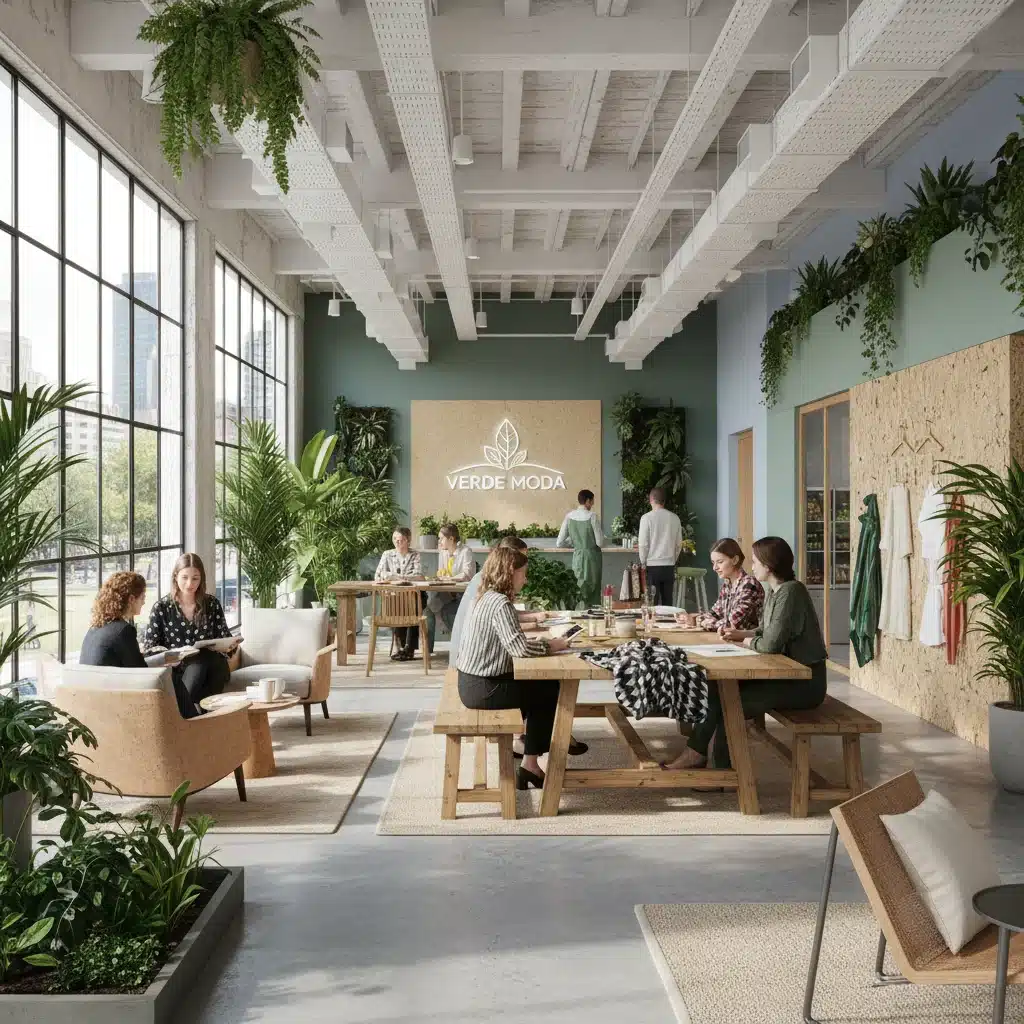
Consider the psychological impact of working in an environment that actively promotes health and sustainability. Reduced exposure to volatile organic compounds (VOCs) from traditional building materials, improved air quality through natural ventilation and plants, and access to natural light all contribute to a healthier, more invigorating workspace. These elements are not just ‘nice-to-haves’; they are foundational to employee comfort and productivity. When employees feel cared for, both physically and emotionally, their connection to their employer deepens. This emotional investment is a cornerstone of strong employee engagement, directly influencing their decision to stay with a company long-term. The U.S. fashion sector, known for its creative and often demanding pace, stands to gain immensely from fostering such supportive environments.
Anúncios
Benefit 1: Enhanced Employee Well-being and Health
One of the most immediate and tangible green workplace benefits is the positive impact on employee well-being and health. A truly green office design incorporates elements that actively improve the physical and mental state of its occupants. This includes superior indoor air quality, achieved through natural ventilation, air-purifying plants, and the use of low-VOC materials in construction and furnishings. Poor indoor air quality, often found in conventional offices, can lead to what is known as ‘sick building syndrome,’ resulting in headaches, fatigue, and respiratory issues, all of which contribute to absenteeism and decreased productivity. By mitigating these factors, green workplaces create a healthier atmosphere where employees can thrive.
Beyond air quality, access to natural light (daylighting) is a cornerstone of green design. Studies have consistently shown that natural light improves mood, reduces eye strain, and regulates circadian rhythms, leading to better sleep and overall health. For fashion designers, merchandisers, and marketers who spend long hours in creative and analytical tasks, a well-lit environment can significantly enhance comfort and reduce fatigue. Furthermore, the integration of biophilic design elements – incorporating natural elements like plants, water features, and views of nature – has been proven to reduce stress, improve cognitive function, and foster a sense of calm. These subtle yet powerful design choices create a more harmonious and less stressful working environment, which is particularly valuable in the high-pressure world of fashion. Employees who feel healthier and less stressed are naturally more engaged, more productive, and less likely to seek employment elsewhere. This directly contributes to the 20% higher retention rate seen in companies with strong sustainability commitments.
Moreover, green workplaces often encourage active lifestyles. Facilities might include bicycle storage, showers, and proximity to public transport, promoting sustainable commuting options. Healthy snack options and filtered water stations are also common, reinforcing a culture of wellness. These small but significant perks demonstrate a company’s commitment to the holistic well-being of its employees, fostering a sense of appreciation and loyalty. For U.S. fashion companies looking to stand out, offering such comprehensive well-being support through a green workplace can be a powerful recruitment and retention tool.
Benefit 2: Increased Productivity and Creativity
It might seem counterintuitive that investing in sustainability could directly boost productivity, but the evidence is compelling. The same elements that enhance employee well-being also contribute to improved cognitive function and creativity, two critical assets in the innovation-driven fashion industry. Optimal lighting, improved air quality, and thermal comfort – all hallmarks of a green workplace – reduce distractions and discomfort, allowing employees to focus better on their tasks. When employees aren’t battling stale air or harsh fluorescent lights, their energy can be directed entirely towards their work.
Natural light, in particular, has been linked to higher levels of alertness and better performance on cognitive tasks. For fashion professionals who rely on visual acuity and attention to detail, this is invaluable. Biophilic design, with its integration of natural elements, has also been shown to improve concentration and reduce mental fatigue. A study by Human Spaces found that employees in offices with natural elements reported a 15% higher level of well-being, were 6% more productive, and 15% more creative. In an industry where innovation and fresh ideas are paramount, these gains in creativity can translate directly into competitive advantage. Imagine design teams feeling more inspired, marketing teams generating more innovative campaigns, and production teams finding more efficient, sustainable methods – all fostered by their work environment.
Furthermore, the very act of working for a company committed to sustainability can be a source of motivation. Employees, particularly younger generations, are increasingly seeking purpose-driven work. When their workplace reflects a commitment to values they hold dear, their intrinsic motivation increases. This sense of purpose translates into greater effort, dedication, and a willingness to go the extra mile. For U.S. fashion companies, where brand identity and ethical standing are increasingly intertwined, a green workplace reinforces the company’s positive image, not just to customers, but to its own workforce. This internal alignment fuels a more productive and creatively vibrant atmosphere, making the workplace a desirable destination rather than just a place to earn a paycheck.
Benefit 3: Stronger Company Culture and Brand Image
A green workplace is more than just a physical space; it’s a powerful statement about a company’s values and culture. By prioritizing sustainability, U.S. fashion companies can cultivate a stronger, more positive internal culture that resonates with employees. This commitment fosters a sense of shared purpose and pride among the workforce. When employees know their company is actively contributing to a better world, they feel a deeper connection to their work and their organization. This can lead to increased morale, better teamwork, and a more collaborative environment. A strong, purpose-driven culture is a significant factor in employee satisfaction and, consequently, retention.
Moreover, a commitment to a green workplace significantly enhances a company’s external brand image. In an era where consumers are increasingly conscious of the environmental and social impact of their purchases, a sustainable brand resonates powerfully. For fashion companies, this is particularly crucial. A green office acts as a visible embodiment of the company’s broader sustainability initiatives, reinforcing its authenticity. This positive brand image extends beyond consumers to potential employees. Top talent, especially those entering the workforce today, actively seek out employers with strong ethical and environmental credentials. A company known for its green practices becomes an employer of choice, making recruitment easier and reducing the time and cost associated with filling vacancies.
The positive PR and recognition associated with sustainable practices can also be invaluable. Awards, certifications (like LEED), and media coverage for environmental efforts not only boost brand reputation but also instill a sense of pride within the employee base. This collective pride strengthens bonds and reinforces the idea that employees are part of something bigger than themselves. This sense of belonging and shared mission is a powerful antidote to turnover, contributing directly to higher retention rates. For U.S. fashion companies navigating a crowded market, leveraging green workplace benefits to build an unassailable brand and culture is a strategic imperative.
Benefit 4: Cost Savings and Long-Term Value
While the initial investment in creating a green workplace might seem substantial, the long-term cost savings and value generation are compelling. Sustainable building practices and operational efficiencies often lead to significant reductions in utility bills. Energy-efficient lighting, HVAC systems, and smart building technologies can drastically cut electricity consumption. Water-saving fixtures and landscaping can reduce water usage. These operational savings contribute directly to the bottom line, freeing up resources that can be reinvested in employee development, product innovation, or further sustainability initiatives.
Beyond direct utility savings, there are other financial benefits. The enhanced employee well-being and health discussed earlier translate into reduced healthcare costs and lower absenteeism rates. Healthier employees take fewer sick days and require less medical intervention, leading to significant savings for employers. The increased productivity and creativity also contribute to greater output and innovation, indirectly boosting revenue and market share. Furthermore, the higher employee retention rate – the 20% discussed earlier – offers immense financial advantages. The cost of recruiting, hiring, and training new employees is substantial, often amounting to a significant percentage of an employee’s annual salary. By reducing turnover, companies save on these direct replacement costs, as well as the indirect costs associated with lost institutional knowledge and productivity dips during transition periods.
Moreover, buildings designed with sustainability in mind often have higher asset values and can command higher rents or sale prices. This long-term value appreciation is an important consideration for U.S. fashion companies that own their premises. Access to green financing options and tax incentives for sustainable investments can further sweeten the deal, making the financial case for a green workplace even stronger. In essence, while the upfront investment requires foresight, the compounded savings, increased productivity, and enhanced employee loyalty make a green workplace a financially astute decision for any forward-thinking U.S. fashion company.
Implementing a Green Workplace: Practical Steps for U.S. Fashion Companies
Transitioning to a green workplace doesn’t have to be an overnight overhaul. U.S. fashion companies can adopt a phased approach, starting with achievable steps and gradually expanding their initiatives. Here are some practical considerations:
- Energy Efficiency Audits: Begin with an assessment of current energy consumption. Identify areas where energy can be saved, such as upgrading to LED lighting, optimizing HVAC systems, or installing smart thermostats.
- Water Conservation: Implement low-flow fixtures in restrooms and kitchens. Consider drought-resistant landscaping for outdoor areas, if applicable.
- Waste Reduction and Recycling: Establish comprehensive recycling programs for paper, plastic, glass, and even textile scraps. Encourage employees to reduce waste by providing reusable dishware and water bottles. Explore composting options for organic waste.
- Sustainable Sourcing for Office Supplies: Opt for recycled paper, non-toxic cleaning products, and office furniture made from sustainable materials. Support local suppliers to reduce transportation emissions.
- Indoor Air Quality Improvements: Introduce air-purifying plants, ensure proper ventilation, and use low-VOC paints and furnishings during renovations. Regular maintenance of HVAC filters is crucial.
- Promote Sustainable Commuting: Offer incentives for employees who cycle, carpool, or use public transportation. Provide secure bike storage and shower facilities.
- Employee Engagement and Education: Crucially, involve employees in the greening process. Form a ‘green team’ to brainstorm ideas and implement initiatives. Educate staff on the benefits of sustainable practices and how their actions contribute to the company’s overall environmental goals. This fosters a sense of ownership and further boosts engagement.
- Seek Certifications: Pursue recognized green building certifications like LEED (Leadership in Energy and Environmental Design) or WELL Building Standard. These certifications provide a framework for sustainability and offer external validation of your efforts, enhancing both brand image and employee pride.
By taking these steps, U.S. fashion companies can incrementally transform their workspaces into truly green environments, reaping the numerous benefits for employee engagement, productivity, and retention.
Conclusion: The Irrefutable Case for Green Workplace Benefits in Fashion
The transition towards a green workplace is no longer an optional endeavor for U.S. fashion companies; it’s a strategic imperative. The four core benefits – enhanced employee well-being and health, increased productivity and creativity, stronger company culture and brand image, and significant cost savings – collectively paint a compelling picture. By investing in sustainable office environments, fashion businesses are not only fulfilling their environmental responsibilities but are also making a direct investment in their most valuable asset: their people.
The promise of a 20% higher retention rate is a powerful testament to the impact of these initiatives. In an industry characterized by intense competition for talent, a green workplace provides a distinct competitive edge, attracting individuals who seek purpose, health, and an ethical employer. As the fashion world continues to evolve towards a more sustainable future, those companies that embrace green workplace benefits will not only lead the charge in environmental stewardship but will also cultivate a more engaged, loyal, and productive workforce, ensuring long-term success and resilience.
Embrace the green revolution in your workplace, and watch your fashion company flourish, both ethically and economically.