Future-Proofing Your Business: Sustainable Apparel Practices for U.S. Companies Beyond 2026

Anúncios
Future-Proofing Your Business: 5 Strategic Advantages of Sustainable Apparel Practices for U.S. Apparel Companies, Ensuring Longevity Beyond 2026
The global business landscape is undergoing a profound transformation, driven by an increasing awareness of environmental impact and social responsibility. For U.S. apparel companies, this shift is not merely a trend but a critical imperative for long-term survival and success. As we look beyond 2026, the adoption of sustainable apparel practices is no longer optional; it is a strategic necessity that offers a multitude of advantages, paving the way for a resilient and future-proof business model. This comprehensive guide will explore five key strategic benefits that U.S. apparel companies can gain by integrating sustainability into their core operations, ensuring not just compliance, but competitive edge and enduring profitability.
Anúncios
1. Enhanced Brand Reputation and Consumer Loyalty Through Sustainable Apparel Practices
In an era dominated by conscious consumerism, brand reputation is inextricably linked to a company’s commitment to sustainability. Modern consumers, particularly younger demographics, are increasingly discerning, actively seeking out brands that align with their values. They are willing to pay a premium for products that are ethically sourced, environmentally friendly, and produced under fair labor conditions. By embracing sustainable apparel practices, U.S. apparel companies can significantly enhance their brand image, cultivating a reputation for responsibility and integrity.
This commitment translates directly into increased consumer loyalty. When consumers perceive a brand as genuinely dedicated to sustainability, they develop a deeper emotional connection, fostering repeat purchases and positive word-of-mouth recommendations. This loyalty is invaluable in a saturated market, providing a distinct competitive advantage. A strong reputation for sustainability can also act as a buffer during times of crisis, as consumers are more likely to forgive minor missteps from brands they trust and respect. Furthermore, transparent communication about sustainable efforts—from sourcing eco-friendly materials to implementing energy-efficient manufacturing processes—builds trust and strengthens the bond with the customer base. This goes beyond mere marketing; it’s about building an authentic narrative that resonates with the values of a growing segment of the market. Companies that fail to adapt risk being perceived as outdated or irresponsible, losing market share to more forward-thinking competitors. Therefore, prioritizing sustainable apparel practices is not just good for the planet; it’s excellent for business and brand longevity.
Anúncios
The Power of Transparency and Storytelling
Consumers today demand transparency. They want to know where their clothes come from, how they were made, and what impact their purchase has on the environment and society. U.S. apparel companies that adopt robust sustainable apparel practices have a compelling story to tell. By openly sharing their journey towards sustainability, detailing their efforts in reducing waste, conserving water, using organic or recycled materials, and ensuring fair labor practices, they can build a powerful narrative that resonates with their target audience. This storytelling can be leveraged across various platforms, from social media campaigns to in-store displays and product labeling, creating a holistic brand experience.
For instance, highlighting partnerships with certified ethical suppliers, showcasing renewable energy usage in factories, or detailing community engagement programs can significantly boost consumer perception. This level of transparency not only builds trust but also educates consumers, empowering them to make more informed purchasing decisions. In a world where information is readily available, attempts to greenwash or make unsubstantiated claims can severely damage a brand’s credibility. Therefore, genuine commitment to sustainable apparel practices, backed by verifiable data and transparent communication, is paramount for securing and maintaining a stellar brand reputation and fostering deep consumer loyalty.
2. Operational Efficiency and Cost Reduction Through Sustainable Apparel Practices
One of the most compelling, yet often overlooked, advantages of adopting sustainable apparel practices is the potential for significant operational efficiencies and cost reductions. While initial investments in sustainable technologies or processes might seem daunting, the long-term savings can be substantial, directly impacting a company’s bottom line. Many sustainable initiatives are inherently designed to optimize resource usage, minimize waste, and streamline production, leading to a more efficient and cost-effective operation.
Consider the impact of energy efficiency. Investing in renewable energy sources, upgrading to energy-efficient machinery, or simply optimizing factory layouts to maximize natural light can drastically reduce energy bills. Similarly, water conservation efforts, such as implementing closed-loop water systems in dyeing processes or using waterless dyeing technologies, can lead to substantial savings on water consumption and wastewater treatment costs. Waste reduction, a cornerstone of sustainable apparel practices, also presents immense opportunities. By minimizing fabric waste through advanced cutting techniques, recycling textile scraps, or upcycling discarded materials, companies can reduce raw material costs and lower waste disposal fees. Furthermore, optimizing supply chains to reduce transportation emissions often translates to lower fuel costs and more streamlined logistics. These efficiencies are not merely environmental benefits; they are tangible economic advantages that contribute to a more robust and profitable business model, making sustainability a wise financial decision for U.S. apparel companies looking beyond 2026.
Optimizing Resource Utilization and Waste Management
The core of operational efficiency in sustainable apparel practices lies in meticulous resource utilization and innovative waste management. This includes a comprehensive audit of current resource consumption – from water and energy to raw materials – to identify areas for improvement. Implementing lean manufacturing principles, which inherently aim to reduce waste in all forms, aligns perfectly with sustainability goals.
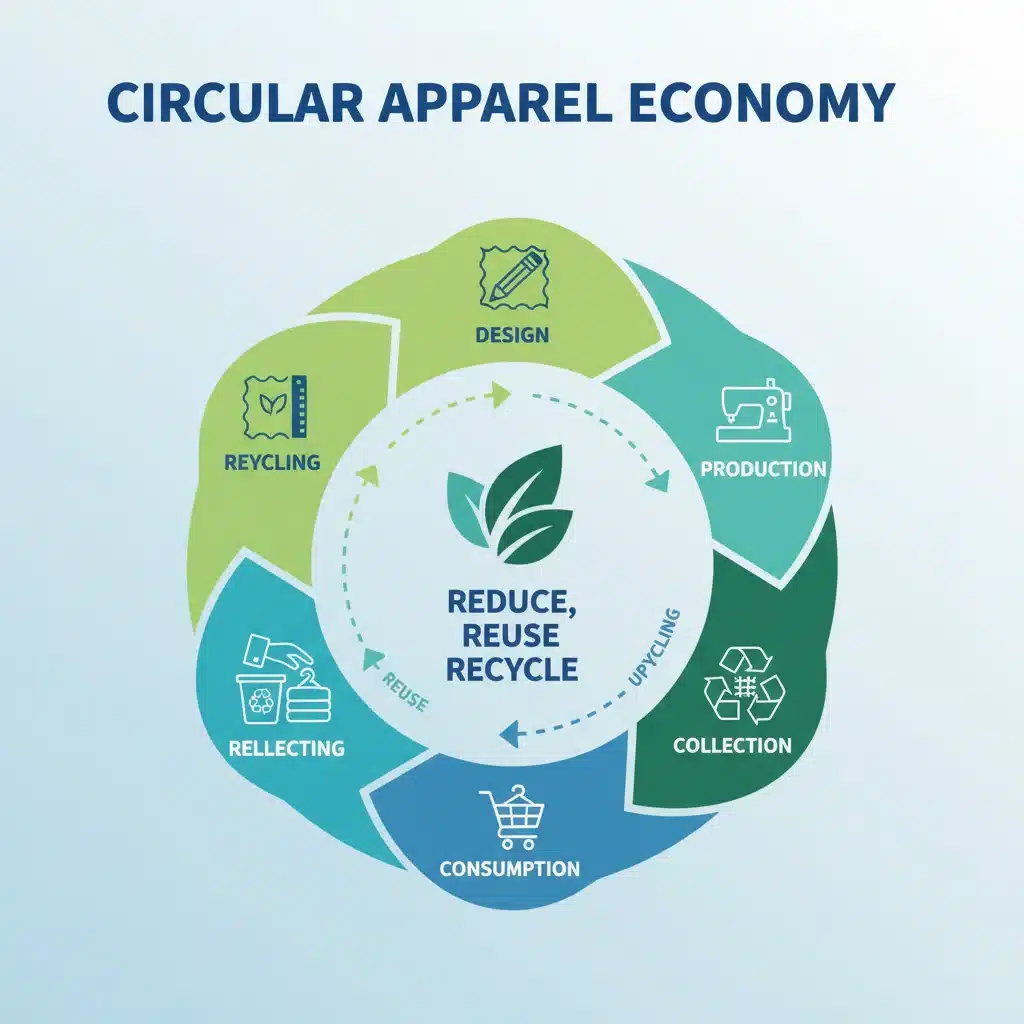
For example, advanced pattern-making software can significantly reduce fabric waste during the cutting process. Investing in machinery that uses less energy or water, or exploring innovative materials like recycled polyester or organic cotton, can decrease reliance on virgin resources and their associated costs. Furthermore, establishing robust recycling and upcycling programs for textile waste not only diverts materials from landfills but can also create new revenue streams through the sale of recycled fibers or upcycled products. The transition to a circular economy model, where products and materials are kept in use for as long as possible, is a powerful driver of both sustainability and economic efficiency. By viewing waste not as an end product but as a potential resource, U.S. apparel companies can unlock significant cost savings and enhance their overall operational performance, solidifying their position for the future.

3. Attracting and Retaining Top Talent with Sustainable Apparel Practices
In today’s competitive job market, attracting and retaining top talent is a constant challenge for businesses across all sectors. For U.S. apparel companies, a strong commitment to sustainable apparel practices can be a powerful differentiator in recruitment and employee retention. A growing number of professionals, particularly those from younger generations, are actively seeking employment with companies that demonstrate a clear purpose beyond profit and contribute positively to society and the environment.
Employees want to work for organizations that align with their personal values. A company that prioritizes sustainability, ethical production, and social responsibility is perceived as a more desirable employer. This is not just about a ‘feel-good’ factor; it translates into higher employee engagement, increased job satisfaction, and a stronger sense of loyalty. When employees are proud of their company’s mission and values, they are more motivated, productive, and less likely to seek opportunities elsewhere. Furthermore, sustainable practices often lead to healthier and safer working environments, which are also key factors in employee well-being and retention. Companies that invest in their people and the planet cultivate a positive workplace culture that attracts the best and brightest, ensuring a continuous influx of skilled and passionate individuals crucial for innovation and growth in the years beyond 2026. Therefore, integrating sustainable apparel practices is not just an external marketing tool; it’s an internal investment in human capital.
Fostering a Culture of Purpose and Innovation
Beyond simply attracting talent, sustainable apparel practices foster a culture of purpose and innovation within an organization. When a company sets ambitious sustainability goals, it often encourages employees to think creatively and develop innovative solutions. This can lead to breakthroughs in product design, manufacturing processes, supply chain management, and even business models.
For example, challenging designers to create garments with zero waste or tasking engineers to develop more energy-efficient machinery can spark creativity and problem-solving skills across departments. This collaborative approach to sustainability empowers employees, giving them a sense of ownership and contribution to a larger, meaningful cause. Training programs focused on sustainable practices also enhance employees’ skills and knowledge, making them more valuable assets to the company. A culture rooted in sustainability can also boost morale and team cohesion, as employees work together towards shared environmental and social objectives. This internal dynamism, driven by a commitment to sustainable apparel practices, is essential for U.S. apparel companies to remain agile, innovative, and competitive in a rapidly evolving market, securing their position as industry leaders and employers of choice.
4. Mitigating Risks and Ensuring Regulatory Compliance for Sustainable Apparel Practices
The regulatory landscape surrounding environmental and social responsibility is becoming increasingly stringent, both domestically and internationally. For U.S. apparel companies, proactively adopting sustainable apparel practices is a powerful strategy for mitigating various business risks and ensuring compliance with evolving regulations. Non-compliance can lead to hefty fines, legal battles, reputational damage, and disruptions to supply chains, all of which can severely impact profitability and long-term viability.
Governments worldwide are implementing stricter environmental protection laws, labor standards, and consumer protection regulations. By integrating sustainability into their operations, companies can stay ahead of these regulatory changes, avoiding costly last-minute adjustments. This includes adhering to standards related to chemical use in textiles (e.g., REACH regulations), waste disposal, carbon emissions, and fair labor practices throughout the supply chain. Furthermore, consumer advocacy groups and NGOs are increasingly scrutinizing corporate behavior, and any perceived lack of commitment to sustainability can quickly lead to public backlash and boycotts. Proactive engagement with sustainable apparel practices demonstrates due diligence and a commitment to responsible business, minimizing the risk of negative publicity and legal challenges. This foresight not only protects the company from potential liabilities but also positions it as a responsible corporate citizen, a critical factor for maintaining stakeholder trust and ensuring business continuity well beyond 2026.
Navigating the Evolving Legal and Ethical Landscape
The global apparel industry faces a complex web of legal and ethical considerations. From ensuring fair wages and safe working conditions in manufacturing facilities to managing the environmental impact of textile production, the challenges are multifaceted. U.S. apparel companies that embed sustainable apparel practices into their core strategy are better equipped to navigate this intricate landscape.
This involves rigorous due diligence across the entire supply chain, from raw material extraction to final product delivery. Companies must ensure that their suppliers adhere to international labor laws, environmental regulations, and ethical sourcing guidelines. Implementing robust auditing processes and engaging with third-party certifications (e.g., Fair Trade, GOTS, Oeko-Tex) can provide assurance of compliance and mitigate risks associated with unethical or unsustainable practices by suppliers. Moreover, the increasing focus on Extended Producer Responsibility (EPR) schemes means that brands are becoming more accountable for the entire lifecycle of their products, including their end-of-life. By proactively designing for durability, repairability, and recyclability, companies can reduce future liabilities and align with emerging regulatory frameworks. A comprehensive approach to sustainable apparel practices is, therefore, an indispensable risk management tool, safeguarding the business from legal, financial, and reputational threats in an increasingly regulated world.
5. Access to New Markets and Investment Opportunities Through Sustainable Apparel Practices
The shift towards sustainability is not just about compliance or reputation; it’s also a powerful catalyst for unlocking new market opportunities and attracting impact-driven investments. As consumer preferences evolve, so do market demands. U.S. apparel companies that prioritize sustainable apparel practices are better positioned to tap into emerging green markets and cater to a growing segment of environmentally conscious consumers and businesses.
Many retailers and institutional buyers now have strict sustainability criteria for their suppliers, making sustainable certifications and transparent practices a prerequisite for doing business. By meeting these criteria, U.S. apparel companies can access lucrative partnerships and distribution channels that might otherwise be unavailable. Furthermore, the financial world is increasingly recognizing the value of sustainable businesses. Impact investors, green funds, and socially responsible investment (SRI) portfolios are actively seeking out companies with strong environmental, social, and governance (ESG) performance. A robust commitment to sustainable apparel practices can improve a company’s ESG ratings, making it more attractive to these investors, potentially leading to lower capital costs and greater access to funding for expansion and innovation. This financial leverage is crucial for long-term growth and ensures that U.S. apparel companies remain competitive and well-capitalized in the evolving global economy beyond 2026.
Innovation and Competitive Differentiation
Embracing sustainable apparel practices drives innovation, which in turn creates unique competitive advantages. Companies that invest in sustainable research and development can pioneer new materials, processes, and product designs that set them apart from competitors. This could involve developing biodegradable fabrics, creating garments from recycled ocean plastic, or implementing revolutionary water-saving dyeing techniques.
These innovations not only appeal to eco-conscious consumers but can also lead to patents and proprietary technologies, strengthening a company’s market position. Being a first-mover or an early adopter in sustainable innovations can establish a company as a thought leader and an industry benchmark, attracting further partnerships and collaborations. Moreover, the pursuit of sustainability often encourages cross-industry collaboration, fostering a network of like-minded businesses and organizations that can collectively drive change and open up new avenues for growth. By continuously innovating within the framework of sustainable apparel practices, U.S. apparel companies can create distinctive value propositions, differentiate their brands, and secure a resilient and prosperous future in an increasingly green economy.
Conclusion: Embracing Sustainable Apparel Practices for a Resilient Future
The future of the U.S. apparel industry is undeniably intertwined with sustainability. As consumer expectations shift, regulations tighten, and global challenges intensify, the adoption of robust sustainable apparel practices is no longer a niche concern but a foundational element of a successful business strategy. The five strategic advantages outlined—enhanced brand reputation, operational efficiencies and cost reduction, attracting and retaining top talent, mitigating risks and ensuring regulatory compliance, and access to new markets and investment opportunities—collectively paint a clear picture of why sustainability is paramount for longevity beyond 2026.
For U.S. apparel companies, the journey towards greater sustainability is an ongoing process that requires commitment, investment, and a willingness to innovate. However, the benefits far outweigh the challenges. By integrating environmental stewardship and social responsibility into every facet of their operations, companies can not only contribute to a healthier planet and fairer society but also build more resilient, profitable, and respected businesses. The time to act is now. Those who embrace the transformative power of sustainable apparel practices will be the ones who not only survive but thrive in the dynamic and conscious market of tomorrow, setting new standards for the entire industry.