Embracing the 4 R’s of Eco-Fashion: A Guide for U.S. Brands
Anúncios
Embracing the 4 R’s of Eco-Fashion: A Strategic Framework for U.S. Brands by January 2026
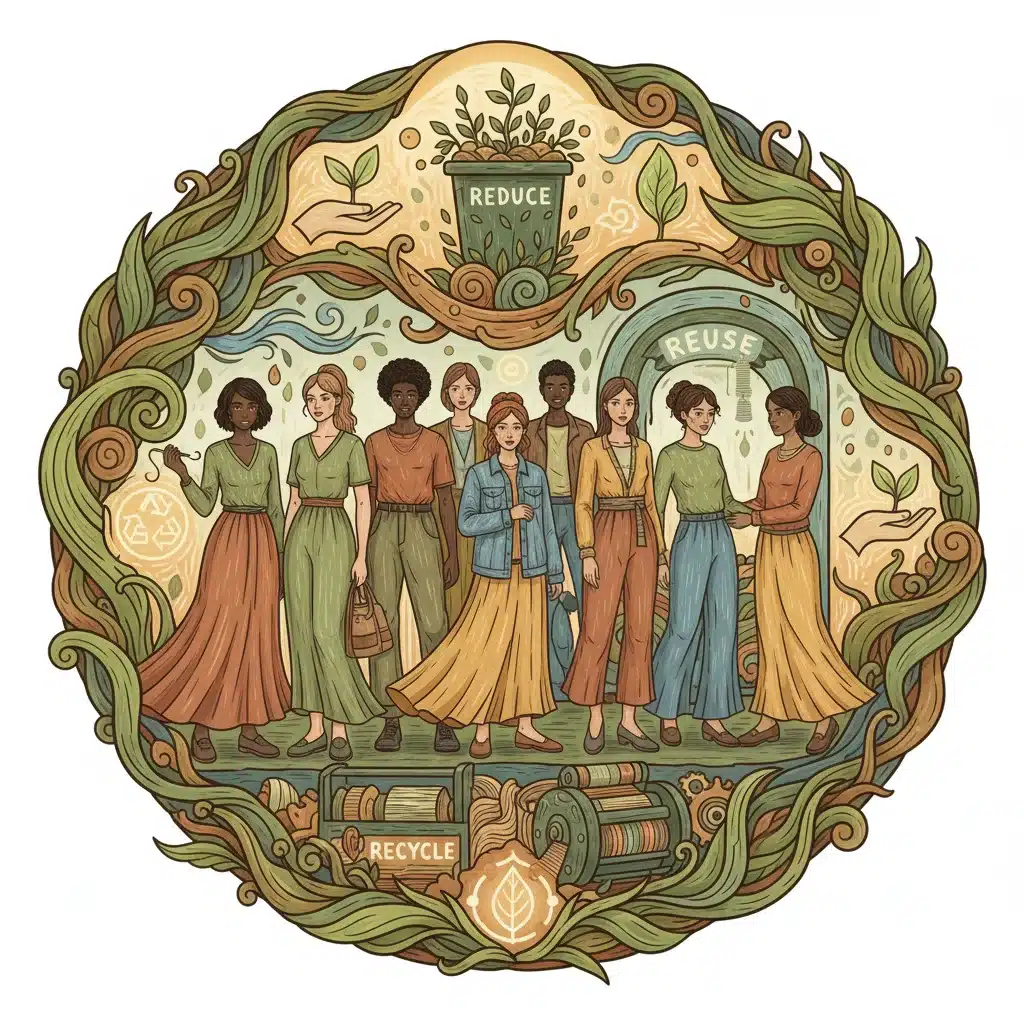
The fashion industry stands at a pivotal crossroads. For decades, its linear ‘take-make-dispose’ model has fueled environmental degradation, contributing significantly to landfill waste, water pollution, and carbon emissions. However, a growing tide of awareness, consumer demand, and regulatory pressure is pushing for a profound transformation towards sustainability. This shift is not merely a trend; it’s an imperative for the future of our planet and the longevity of businesses. For U.S. fashion brands, the call to action is clear: embrace the principles of eco-fashion, specifically the Eco-Fashion 4 R’s: Reduce, Reuse, Recycle, and Repair. This comprehensive guide provides an educational framework for brands to implement these crucial practices effectively by January 2026, setting a new standard for responsible manufacturing and consumption.
Anúncios
The Urgency of Sustainable Fashion: Why the Eco-Fashion 4 R’s Matter Now More Than Ever
The statistics are stark. The fashion industry is responsible for 10% of global carbon emissions, more than international flights and maritime shipping combined. A truckload of textiles is landfilled or incinerated every second. Water consumption is astronomical, with thousands of liters needed to produce a single cotton t-shirt. These environmental costs are no longer sustainable, neither for the planet nor for the brands operating within this system. Consumers, particularly younger generations, are increasingly scrutinizing brand ethics and demanding transparency regarding environmental impact. Brands that fail to adapt risk losing market share, facing reputational damage, and potentially encountering stricter regulations.
Implementing the Eco-Fashion 4 R’s is not just about compliance; it’s about competitive advantage. Brands that proactively adopt sustainable practices can build stronger brand loyalty, attract environmentally conscious talent, innovate new business models, and ultimately contribute to a more resilient and circular economy. The January 2026 deadline serves as a critical benchmark, urging U.S. brands to accelerate their transition and embed sustainability at the core of their operations.
Deconstructing the Eco-Fashion 4 R’s: A Deep Dive into Each Principle
1. Reduce: Minimizing Consumption and Waste at Every Stage
The first and arguably most impactful ‘R’ in the Eco-Fashion 4 R’s is Reduce. This principle calls for a fundamental shift away from overproduction and overconsumption. For U.S. brands, this means rethinking design, manufacturing processes, and inventory management to minimize material input and waste generation.
Anúncios
Design for Longevity and Timelessness
- Quality Over Quantity: Focus on producing high-quality garments that are durable and designed to last, resisting the fast-fashion cycle of disposability.
- Timeless Aesthetics: Create designs that transcend fleeting trends, encouraging consumers to keep and wear items for longer periods.
- Versatile Pieces: Design garments that can be styled in multiple ways or adapted for different seasons, maximizing their utility.
Optimizing Manufacturing Processes
- Lean Production: Implement lean manufacturing techniques to reduce waste in cutting, sewing, and finishing. This includes pattern optimization to minimize fabric scraps.
- On-Demand Manufacturing: Explore made-to-order or small-batch production models to reduce excess inventory, which often ends up as waste.
- Efficient Resource Use: Invest in technologies that minimize water, energy, and chemical usage during production.
Sustainable Sourcing and Materials
- Low-Impact Materials: Prioritize materials with a lower environmental footprint, such as organic cotton, recycled polyester, Tencel, hemp, and innovative bio-based fabrics.
- Local Sourcing: Where feasible, source materials and components locally to reduce transportation emissions.
- Supply Chain Transparency: Work closely with suppliers to ensure ethical and sustainable practices throughout the entire supply chain, from raw material extraction to finished product.
2. Reuse: Extending the Lifespan of Garments
The ‘Reuse’ principle within the Eco-Fashion 4 R’s focuses on keeping clothing in circulation for as long as possible. This directly counters the linear model by encouraging multiple uses for a single item, thereby delaying its journey to landfill.
Embracing Second-Hand and Resale Models
- Brand Resale Platforms: U.S. brands can launch their own take-back and resale programs, allowing customers to return gently used items for store credit or discounts on new purchases. This creates a circular loop and strengthens brand loyalty.
- Partnerships with Resale Marketplaces: Collaborate with established second-hand platforms (e.g., ThredUp, Poshmark) to facilitate the resale of your brand’s products.
- Vintage and Upcycled Collections: Design new collections using existing garments or deadstock fabrics, giving them a second life through creative redesign.
Rental and Subscription Services
- Clothing Rental: For special occasion wear, workwear, or even everyday fashion, rental services offer consumers access to diverse wardrobes without the need for ownership, significantly extending garment utility.
- Subscription Boxes: Curated clothing subscription services can also incorporate reuse by offering rotating wardrobes, encouraging users to send back items for others to enjoy.
Designing for Disassembly and Modularity
- Modular Designs: Create garments with interchangeable parts that can be updated or replaced, allowing for customization and extended use.
- Easy Disassembly: Design products with the end-of-life in mind, making it easier to separate different materials for future recycling or reuse.
3. Recycle: Transforming Waste into New Resources
Recycling, another critical component of the Eco-Fashion 4 R’s, involves processing discarded materials to create new products, reducing the demand for virgin resources and diverting waste from landfills. While often seen as an end-of-life solution, it’s crucial to design for recyclability from the outset.
Textile-to-Textile Recycling Initiatives
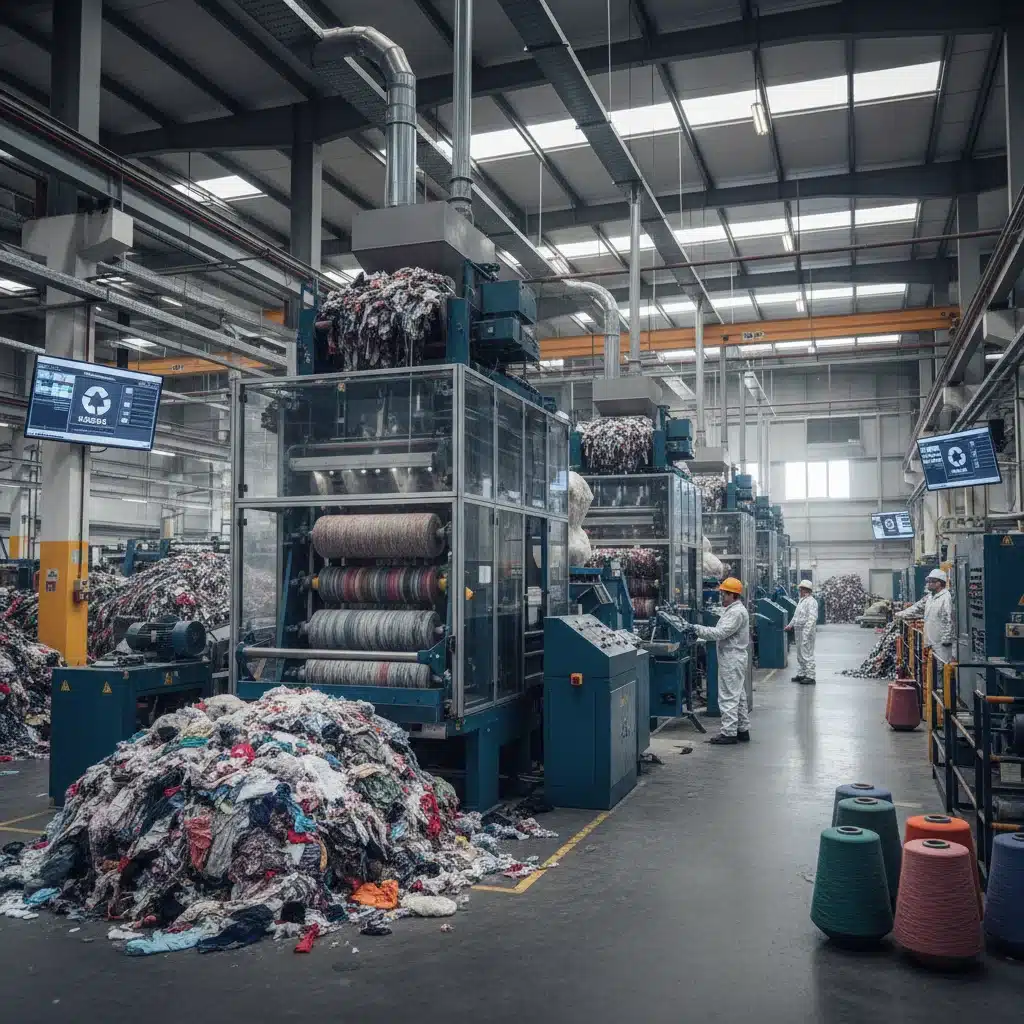
- Closed-Loop Systems: Invest in or partner with facilities capable of advanced textile recycling, where old garments are broken down and re-spun into new fibers. This is the ultimate goal for true circularity.
- Material Innovation: Support research and development into new recycling technologies that can handle blended fabrics, which are currently challenging to recycle.
- Collection Programs: Establish in-store or mail-back collection programs for customers to return unwanted clothing, ensuring these items enter a recycling stream rather than a landfill.
Utilizing Recycled Materials in New Products
- Post-Consumer Recycled Content: Incorporate recycled materials, such as recycled polyester (RPET) made from plastic bottles or recycled cotton, into new product lines.
- Pre-Consumer Waste Recycling: Recycle manufacturing scraps and offcuts back into the production process, minimizing internal waste.
Addressing the Challenges of Textile Recycling
- Fiber Blends: The complexity of separating different fibers in blended fabrics remains a significant hurdle. Brands should favor mono-material designs where possible to facilitate easier recycling.
- Chemical Recycling: Explore and support advancements in chemical recycling technologies that can break down complex textiles at a molecular level.
4. Repair: Valuing and Extending Garment Life Through Mending
The final ‘R’ in the Eco-Fashion 4 R’s, Repair, is about fostering a culture of care and longevity for clothing. It empowers consumers to extend the life of their garments through mending and maintenance, challenging the throwaway mentality.
Establishing Brand Repair Services
- In-House Repair Programs: Offer repair services for your brand’s products, either free or at a reasonable cost. This demonstrates a commitment to durability and customer satisfaction.
- Partnerships with Local Seamstresses/Tailors: Collaborate with local repair shops, providing customers with recommendations or vouchers for mending services.
Educating Consumers on Care and Repair
- Care Labels and Guides: Provide clear and comprehensive care instructions that promote garment longevity. Offer online resources with tips for stain removal, proper washing, and storage.
- DIY Repair Workshops: Host workshops (in-store or online) to teach basic mending skills like sewing on a button, patching a hole, or darning socks. This empowers consumers and builds a deeper connection with your brand.
- Design for Repairability: Consider how garments can be easily repaired during the design phase. For example, using easily replaceable buttons or accessible seams.
Promoting a Mindset Shift
- Embracing Visible Mending: Encourage visible mending as an aesthetic choice, celebrating the history and character of a garment rather than hiding its repairs.
- Marketing Longevity: Shift marketing narratives to emphasize durability, craftsmanship, and the emotional value of long-lasting items, rather than solely focusing on newness.
Implementing the Eco-Fashion 4 R’s: A Roadmap for U.S. Brands by January 2026
Achieving significant sustainable transformation by January 2026 requires a strategic, phased approach. Here’s a roadmap for U.S. brands:
Phase 1: Assessment and Strategy (Q1-Q2 2024)
- Baseline Assessment: Conduct a thorough audit of current practices across the supply chain, identifying environmental hotspots and areas for improvement related to the Eco-Fashion 4 R’s.
- Stakeholder Engagement: Involve key internal teams (design, production, marketing, sales) and external partners (suppliers, customers) in the strategic planning process.
- Set SMART Goals: Establish specific, measurable, achievable, relevant, and time-bound goals for each of the Eco-Fashion 4 R’s. For example, ‘Reduce fabric waste by 15% by Q4 2025’ or ‘Launch a brand resale platform by Q2 2025’.
- Resource Allocation: Allocate necessary budget, personnel, and technological resources for sustainability initiatives.
Phase 2: Pilot Programs and Innovation (Q3 2024 – Q2 2025)
- Small-Scale Implementation: Begin with pilot programs for specific product lines or manufacturing processes to test new sustainable materials, production techniques, or circular business models (e.g., a small capsule collection using recycled content, a limited repair service).
- Supplier Engagement: Work closely with key suppliers to identify and implement more sustainable sourcing and production methods.
- Technology Adoption: Explore and invest in new technologies that support waste reduction, efficient resource use, or textile recycling.
- Employee Training: Educate employees across all departments on the principles of the Eco-Fashion 4 R’s and their role in achieving sustainability goals.
Phase 3: Scaling and Integration (Q3 2025 – Q4 2025)
- Expand Successful Pilots: Scale up successful pilot programs across broader product ranges and operational areas.
- Supply Chain Integration: Deepen integration of sustainable practices throughout the entire supply chain, ensuring transparency and accountability from raw material to end-of-life.
- Marketing and Communication: Clearly communicate your sustainability efforts and achievements to consumers, building trust and brand loyalty. Be authentic and avoid greenwashing.
- Policy and Advocacy: Engage with industry groups and policymakers to advocate for supportive regulations and infrastructure for circular fashion.
Phase 4: Continuous Improvement and Reporting (January 2026 and Beyond)
- Performance Monitoring: Continuously track and measure progress against established sustainability goals.
- Annual Reporting: Publish transparent sustainability reports detailing environmental impact, progress on the Eco-Fashion 4 R’s, and future commitments.
- Innovation Loop: Foster a culture of continuous improvement, regularly reviewing processes, exploring new technologies, and adapting to evolving best practices in sustainable fashion.
- Consumer Feedback: Actively solicit and incorporate consumer feedback on sustainable products and services.
Challenges and Opportunities for U.S. Brands
Implementing the Eco-Fashion 4 R’s is not without its challenges. Initial investments in new technologies, supply chain restructuring, and employee training can be significant. Furthermore, the infrastructure for textile recycling in the U.S. is still developing, and consumer education is an ongoing process. However, these challenges also present immense opportunities:
- Innovation: Driving innovation in materials, manufacturing, and business models.
- Brand Differentiation: Standing out in a crowded market by appealing to values-driven consumers.
- Risk Mitigation: Reducing exposure to volatile resource prices and future environmental regulations.
- Talent Attraction: Becoming an employer of choice for a new generation of professionals seeking purpose-driven work.
- New Revenue Streams: Developing new business models around resale, rental, and repair.
Conclusion: A Sustainable Future Woven by the Eco-Fashion 4 R’s
The journey towards a truly sustainable fashion industry is complex and ongoing. However, by embracing the Eco-Fashion 4 R’s – Reduce, Reuse, Recycle, and Repair – U.S. brands can make monumental strides towards a more responsible and resilient future. The January 2026 target provides a clear impetus for action, urging brands to move beyond incremental changes to systemic transformation. This is an opportunity not just to mitigate harm, but to redefine success in the fashion industry, creating value for businesses, consumers, and the planet alike. By weaving these principles into the very fabric of their operations, U.S. brands can lead the charge towards an eco-conscious era of fashion, proving that style and sustainability are not mutually exclusive but inherently intertwined.