Sustainable Wardrobe Longevity: Eco-Fashion Solutions for 2026
Anúncios
Maximize Your Wardrobe’s Lifespan: 4 Practical Solutions for Extended Eco-Fashion Benefits in 2026
In an era increasingly defined by environmental consciousness and a growing awareness of our collective impact, the fashion industry stands at a pivotal crossroads. Fast fashion, with its relentless cycle of trends and disposability, has contributed significantly to textile waste and environmental degradation. However, a powerful counter-movement is gaining momentum: the pursuit of sustainable wardrobe longevity. This isn’t just a fleeting trend; it’s a fundamental shift in how we approach our clothing, our consumption habits, and our responsibility to the planet. As we look towards 2026 and beyond, extending the life of our garments is no longer merely a personal preference but an ecological imperative. Embracing sustainable wardrobe longevity means making deliberate choices that reduce waste, conserve resources, and ultimately foster a more ethical and environmentally sound fashion ecosystem.
Anúncios
The concept of sustainable wardrobe longevity encompasses a holistic approach to fashion, moving beyond the initial purchase to consider the entire lifecycle of a garment. It challenges us to think about where our clothes come from, how they are made, how long they will last, and what happens to them when we’re done. This article will delve into four practical solutions that will empower you to maximize your wardrobe’s lifespan, contributing to a more sustainable future for fashion. From the art of mending to the power of conscious consumption, these strategies are designed to help you build a resilient, eco-friendly wardrobe that stands the test of time, reducing your environmental footprint and enhancing your personal style. Join us as we explore how to transform your relationship with your clothes and champion sustainable wardrobe longevity.
1. Embrace the Art of Repair and Upcycling for Sustainable Wardrobe Longevity
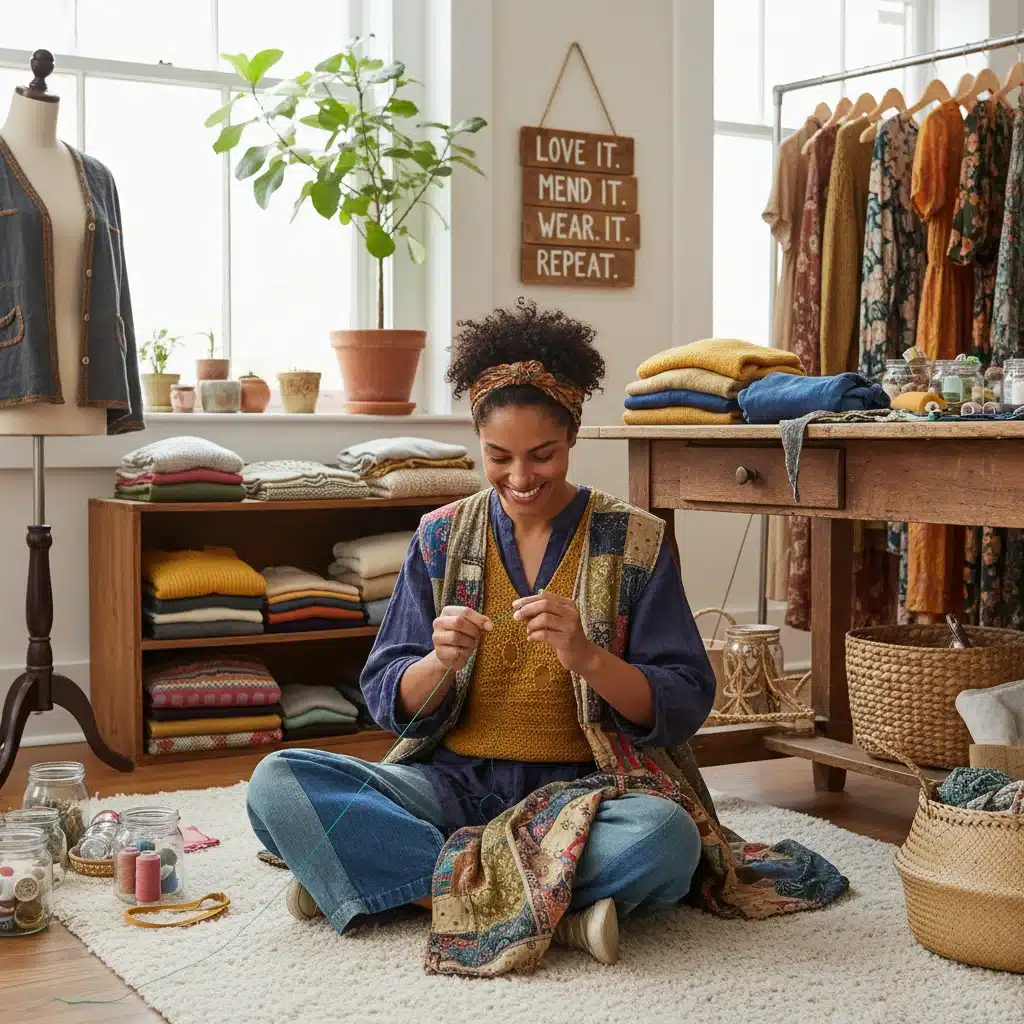
One of the most direct and impactful ways to achieve sustainable wardrobe longevity is by embracing the art of repair and upcycling. In a society accustomed to discarding items at the first sign of wear, learning to mend and transform clothes can feel revolutionary. Yet, this practice was once a common household skill, deeply embedded in the fabric of daily life. Reclaiming these skills not only extends the life of your garments but also fosters a deeper connection to your clothing and reduces textile waste.
Anúncios
The Power of Mending: Small Fixes, Big Impact
A small tear, a loose button, a frayed hem – these minor imperfections often lead to an item being cast aside. However, with a basic sewing kit and a little patience, these issues can be easily rectified. Learning simple mending techniques such as darning, patching, and re-attaching buttons can save countless items from the landfill. Darning, for instance, is a traditional method for repairing holes in knitted or woven fabrics, particularly socks and sweaters, making them wearable again and preserving their original charm. Patching, whether visible or invisible, can transform a torn knee on a pair of jeans into a stylish statement or seamlessly blend into the fabric. These acts of repair are not just about functionality; they are acts of defiance against a throwaway culture, embodying the spirit of sustainable wardrobe longevity.
Upcycling: Transforming the Old into New
Beyond simple repairs, upcycling offers an exciting avenue for extending a garment’s life by giving it a completely new purpose or aesthetic. An old pair of jeans can become a stylish tote bag, denim shorts, or even a unique quilt. A stained t-shirt can be tie-dyed, cut into a crop top, or transformed into cleaning rags. The possibilities are endless and limited only by your creativity. Upcycling breathes new life into items that might otherwise be discarded, preventing them from contributing to the ever-growing mountains of textile waste. This creative process not only promotes sustainable wardrobe longevity but also allows for personal expression and the development of unique, one-of-a-kind pieces. Workshops and online tutorials abound, making it easier than ever to learn these valuable skills and contribute to a more circular fashion economy.
The Economic and Environmental Benefits
The benefits of repair and upcycling extend far beyond just keeping clothes out of landfills. Economically, mending and upcycling save money by reducing the need to purchase new items. Environmentally, every garment repaired or upcycled means less demand for new production, which in turn reduces the consumption of water, energy, and raw materials, as well as the pollution associated with manufacturing. It’s a tangible way to practice eco-fashion benefits and contribute to a more sustainable future. By investing time and effort into caring for our clothes, we actively participate in the movement towards sustainable wardrobe longevity, ensuring our garments serve us longer and with less environmental impact.
2. Prioritize Quality and Conscious Purchasing for Extended Life
The foundation of sustainable wardrobe longevity begins long before a garment enters your closet: it starts with conscious purchasing. The choices we make as consumers have a profound impact on the entire fashion supply chain. Moving away from impulsive, trend-driven buying towards thoughtful, quality-focused decisions is crucial for building a wardrobe that lasts and truly embodies eco-fashion principles.
Investing in Durability: The True Cost of Cheap Fashion
Fast fashion thrives on low prices and rapid turnover, often at the expense of quality. Garments made from cheap, synthetic materials with poor construction are designed to be worn a few times and then discarded. This cycle directly undermines sustainable wardrobe longevity. Instead, prioritize investing in high-quality items made from durable, natural fibers like organic cotton, linen, hemp, Tencel, or responsibly sourced wool. While the initial cost might be higher, these garments are designed to withstand repeated wear and washing, offering a much lower cost-per-wear over their extended lifespan. Look for strong stitching, well-finished seams, and quality hardware (zippers, buttons) as indicators of good craftsmanship. A well-made item not only lasts longer but often retains its shape and appearance better, making it a more satisfying and sustainable investment.
Researching Brands and Ethical Production
Conscious purchasing also involves researching the brands you support. Transparency is key in the sustainable fashion movement. Seek out brands that are open about their supply chains, labor practices, and environmental commitments. Do they use fair labor? Do they minimize water usage and chemical pollution? Are their materials sustainably sourced? Certifications like GOTS (Global Organic Textile Standard), Fair Trade, and OEKO-TEX can serve as valuable guides, indicating a brand’s commitment to ethical and environmentally sound practices. By choosing brands that prioritize sustainability, you’re not just buying a garment; you’re supporting a business model that champions responsible production and contributes to overall eco-fashion benefits.
Building a Versatile Capsule Wardrobe
A powerful strategy for conscious purchasing and sustainable wardrobe longevity is to build a capsule wardrobe. This approach focuses on acquiring a limited number of versatile, high-quality pieces that can be mixed and matched to create numerous outfits. Instead of chasing fleeting trends, a capsule wardrobe emphasizes timeless styles and classic silhouettes. This reduces the need for frequent purchases, minimizes clutter, and ensures that every item in your closet is truly loved and utilized. By curating a thoughtful collection of durable, versatile pieces, you naturally extend the lifespan of your wardrobe, making it more sustainable and effortlessly stylish. This mindful approach to consumption is a cornerstone of achieving sustainable wardrobe longevity.
3. Master Proper Garment Care and Storage Techniques
Even the highest quality garments won’t last if they aren’t properly cared for. Mastering appropriate garment care and storage techniques is a crucial, yet often overlooked, aspect of achieving sustainable wardrobe longevity. Proper care can significantly extend the life of your clothes, maintaining their appearance and structural integrity for years to come.
Decoding Care Labels: Your Garment’s Instruction Manual
The small tags sewn into your clothes are not just an afterthought; they are vital instruction manuals. Care labels provide specific guidance on washing temperature, drying methods, ironing, and dry cleaning. Ignoring these instructions can lead to shrinkage, fading, damage to fibers, and premature wear. For example, washing delicate items on a gentle cycle with cold water or hand-washing them can preserve their shape and fabric integrity far longer than a harsh machine wash. Similarly, understanding when to tumble dry on low heat versus air-drying can prevent damage and reduce energy consumption. Taking the time to read and follow these labels is a simple yet effective way to ensure sustainable wardrobe longevity.
Mindful Washing and Drying Practices
Beyond care labels, adopting mindful washing and drying practices can further enhance garment lifespan. Over-washing is a common culprit in prematurely aging clothes. Unless an item is visibly dirty or sweaty, consider if it truly needs a full wash. Airing out clothes after wear can often refresh them for another use. When washing, use eco-friendly detergents that are gentle on fabrics and the environment. Consider using laundry bags for delicate items to prevent snagging and stretching. For drying, air-drying is almost always the best option for your clothes and the planet. It prevents heat damage, reduces energy consumption, and helps maintain the shape and elasticity of fabrics, directly contributing to eco-fashion benefits and sustainable wardrobe longevity.
Optimal Storage Solutions
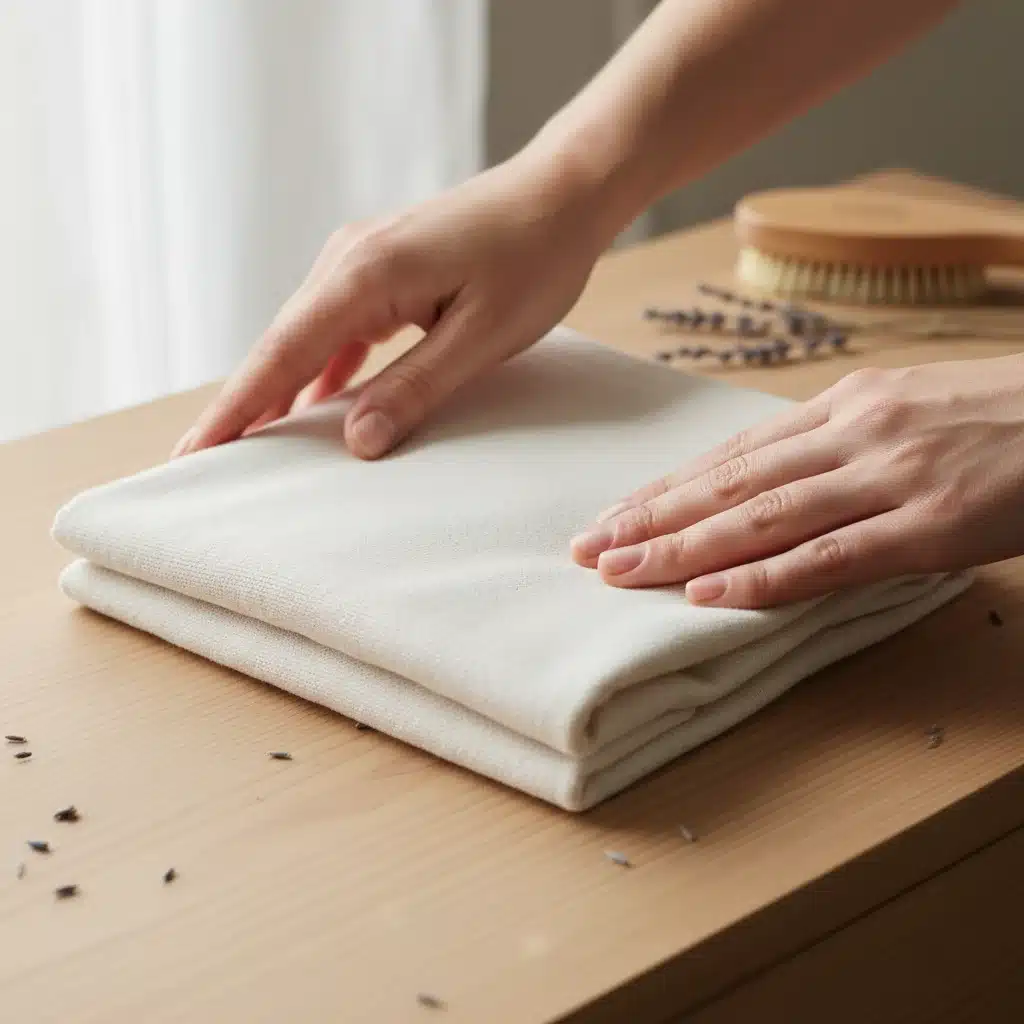
How you store your clothes also plays a significant role in their longevity. Proper storage protects garments from dust, pests, light damage, and stretching. Heavy knitwear, for instance, should be folded rather than hung to prevent stretching and distortion. Delicate items like silk blouses benefit from padded hangers. Seasonal clothing should be cleaned before storage and kept in breathable garment bags or containers in a cool, dry, dark place. Avoiding overcrowding your closet allows air circulation and prevents crushing, which can lead to wrinkles and permanent damage. Investing in good quality hangers and storage solutions is a small effort that yields significant returns in terms of sustainable wardrobe longevity.
4. Embrace Circular Fashion Practices: Resale, Swapping, and Donations
Even with the best repair efforts and meticulous care, garments eventually reach the end of their useful life in your wardrobe. However, their journey doesn’t have to end in a landfill. Embracing circular fashion practices – resale, swapping, and donation – is a vital component of achieving holistic sustainable wardrobe longevity, ensuring clothes continue to be used and valued for as long as possible.
The Rise of Resale and Consignment
The second-hand market is booming, offering a fantastic avenue for extending the life of clothes you no longer need or want. Platforms like ThredUp, Poshmark, Depop, and local consignment stores make it easy to sell gently used garments. This not only gives your clothes a second life but also puts money back in your pocket. For buyers, it offers a sustainable and often more affordable way to refresh their wardrobe with unique pieces. By participating in the resale economy, you actively reduce the demand for new production, conserve resources, and prevent clothes from becoming waste. This practice is a cornerstone of circular fashion and a powerful driver of sustainable wardrobe longevity.
Clothing Swaps: Community and Sustainability
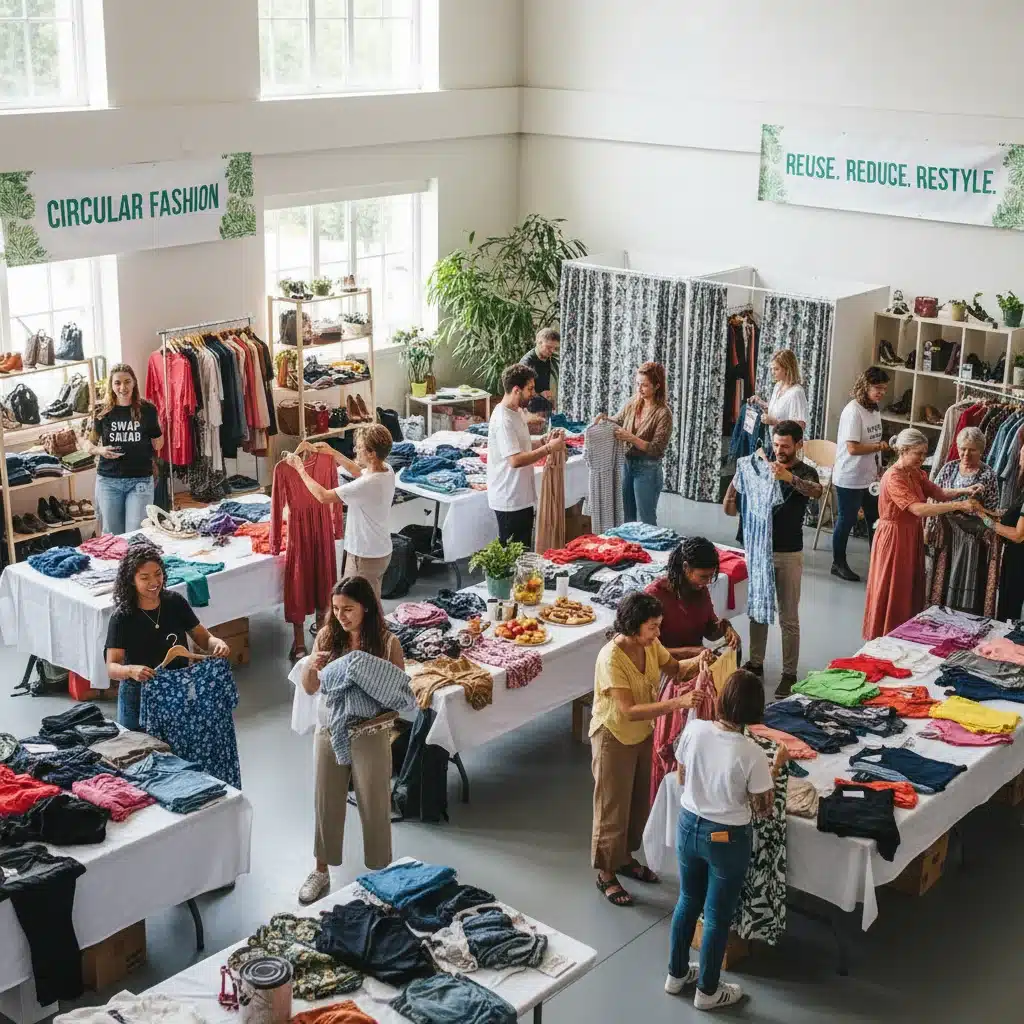
Clothing swaps are another excellent way to refresh your wardrobe sustainably. These events, whether organized among friends, within communities, or through dedicated organizations, allow you to exchange unwanted garments for new-to-you items. It’s a fun, social, and zero-cost way to update your style while keeping clothes in circulation. Swaps foster a sense of community and promote the idea that fashion doesn’t have to be about constant new purchases. They are a tangible way to put eco-fashion benefits into practice, directly contributing to sustainable wardrobe longevity by extending the use-phase of clothing items.
Donation and Textile Recycling: Responsible End-of-Life Options
When clothes are no longer suitable for resale or swapping, responsible donation or textile recycling are the next best options. Donating wearable items to charities ensures they can still serve a purpose for someone else. Always check what types of donations charities accept and ensure items are clean and in good condition. For items that are truly beyond repair or reuse (e.g., heavily stained, torn, or worn out), textile recycling is the appropriate route. Many municipalities and retailers offer textile recycling programs where fabrics are broken down and repurposed into new fibers, insulation, or other materials. While not all textiles can be recycled into new garments yet, this process still diverts waste from landfills and conserves resources. Understanding these end-of-life options is crucial for a comprehensive approach to sustainable wardrobe longevity.
The Future of Fashion: Embracing Sustainable Wardrobe Longevity
The journey towards sustainable wardrobe longevity is a continuous process of learning, adapting, and making conscious choices. It’s a departure from the consumerist mindset that has dominated the fashion industry for decades and a step towards a more thoughtful, responsible, and ultimately more fulfilling relationship with our clothes. By embracing the art of repair and upcycling, prioritizing quality and conscious purchasing, mastering proper garment care, and participating in circular fashion practices, we collectively contribute to a healthier planet and a more equitable fashion industry.
Each of these four solutions plays a vital role in extending the life of our garments, reducing textile waste, and mitigating the environmental impact of fashion. Imagine a future where clothes are cherished, repaired, and passed on, rather than discarded after a few wears. This vision of extended eco-fashion benefits in 2026 and beyond is not just an idealistic dream; it’s an achievable reality, one stitch, one careful wash, and one conscious purchase at a time. The shift towards sustainable wardrobe longevity is not just about saving clothes; it’s about saving resources, fostering creativity, and building a more resilient and responsible world.
As consumers, we hold immense power to drive change. Every decision we make, from choosing a durable fabric to mending a beloved sweater, sends a signal to the industry. By championing sustainable wardrobe longevity, we are not only enhancing our personal style with unique, long-lasting pieces but also actively participating in a global movement towards a more ethical and environmentally sound future for fashion. Let’s make 2026 the year we truly commit to maximizing our wardrobe’s lifespan and reaping the extended eco-fashion benefits that come with it.
Frequently Asked Questions about Sustainable Wardrobe Longevity
What exactly is sustainable wardrobe longevity?
Sustainable wardrobe longevity refers to the practice of extending the usable life of clothing items through various means, including conscious purchasing of high-quality garments, proper care and maintenance, repair, upcycling, and participating in circular fashion models like resale and swapping. The goal is to reduce textile waste, minimize environmental impact, and decrease the demand for new production, thereby fostering a more sustainable fashion ecosystem.
Why is extending the life of my clothes important for eco-fashion?
Extending the life of your clothes is paramount for eco-fashion because the production of new garments is resource-intensive, requiring vast amounts of water, energy, and raw materials, and often involving harmful chemicals. By keeping clothes in use longer, we reduce the demand for new production, conserve resources, decrease pollution, and significantly lessen the amount of textile waste ending up in landfills. This directly contributes to eco-fashion benefits by lowering the overall environmental footprint of your wardrobe.
What are some easy ways to start practicing sustainable wardrobe longevity?
Easy ways to start include: 1) Reading and following care labels on your clothes to ensure proper washing and drying. 2) Learning basic mending skills like sewing on a button or patching a small hole. 3) Opting for air-drying instead of tumble-drying. 4) Thinking twice before buying new items and considering if you truly need them or if a similar item can be repaired or sourced second-hand. These small steps can make a big difference in achieving sustainable wardrobe longevity.
How can I make more conscious purchasing decisions for a longer-lasting wardrobe?
To make more conscious purchasing decisions, focus on quality over quantity. Research brands for their ethical and environmental practices, look for durable fabrics (e.g., organic cotton, linen, hemp), and inspect garment construction (strong seams, quality zippers). Consider building a capsule wardrobe with versatile, timeless pieces that can be mixed and matched. Avoid impulse buys and ask yourself if the item will genuinely serve you for a long time. These practices are key to building a wardrobe with sustainable wardrobe longevity.
What should I do with clothes I no longer want but are still in good condition?
For clothes in good condition that you no longer want, consider these circular fashion options: 1) Resale: Sell them on platforms like Poshmark or at local consignment stores. 2) Swapping: Participate in clothing swap events with friends or community groups. 3) Donation: Give them to local charities or thrift stores, ensuring they are clean and wearable. These methods extend the life of the garments and contribute to sustainable wardrobe longevity by keeping them out of landfills and in active use.
Can I really make a difference with my individual choices in fashion?
Absolutely! Individual choices collectively create significant impact. Every garment repaired, every conscious purchase, and every item kept out of the landfill contributes to a larger movement. As more consumers demand sustainable practices and embrace sustainable wardrobe longevity, the fashion industry is compelled to adapt and become more responsible. Your actions contribute to reducing textile waste, conserving resources, and promoting ethical production, making a tangible difference for the environment and society.