
In an era where environmental consciousness is not just a moral imperative but also a significant market differentiator, sustainable businesses are at the forefront of economic innovation. As we look towards 2026, the landscape of tax planning for these eco-friendly enterprises continues to evolve, presenting both challenges and unparalleled opportunities. Effective Sustainable Business Tax Planning is no longer an optional add-on; it’s a critical component of long-term financial health and competitive advantage. This comprehensive guide will delve into the intricacies of maximizing credits and deductions, ensuring your sustainable venture thrives while contributing positively to the planet.
The journey of a sustainable business involves navigating a complex web of regulations, market demands, and financial considerations. Understanding how to strategically leverage tax incentives can significantly reduce your tax burden, free up capital for reinvestment in sustainable practices, and ultimately boost your bottom line. We will explore key strategies, emerging trends, and practical advice to help you master Sustainable Business Tax Planning for the upcoming fiscal year.
Anúncios
The Evolving Landscape of Sustainable Business Tax Planning
The global shift towards sustainability has led to a proliferation of tax laws and incentives designed to encourage environmentally responsible business practices. Governments worldwide recognize the vital role businesses play in achieving climate goals and fostering a greener economy. For 2026, we anticipate continued emphasis on renewable energy, energy efficiency, sustainable manufacturing, and carbon reduction initiatives.
For any business committed to sustainability, proactive Sustainable Business Tax Planning is paramount. This involves staying abreast of legislative changes, understanding how new credits and deductions apply to your specific operations, and integrating tax considerations into your overall business strategy from the outset. Neglecting this aspect can mean missing out on substantial savings that could be reinvested into further sustainable innovation.
Anúncios
Key Drivers for Sustainable Business Tax Incentives
- Climate Change Mitigation: Governments are increasingly using tax policy to incentivize reductions in greenhouse gas emissions and promote the adoption of clean technologies.
- Economic Development: Green industries are seen as engines for job creation and economic growth, leading to incentives that support their establishment and expansion.
- Resource Efficiency: Encouraging businesses to use resources more efficiently reduces waste and conserves natural capital, aligning with broader sustainability goals.
- Consumer Demand: As consumers become more environmentally conscious, businesses that adopt sustainable practices gain a competitive edge, which governments aim to support.
Understanding these drivers helps businesses anticipate future policy directions and position themselves to take full advantage of emerging opportunities in Sustainable Business Tax Planning.
Maximizing Tax Credits for Your Sustainable Business in 2026
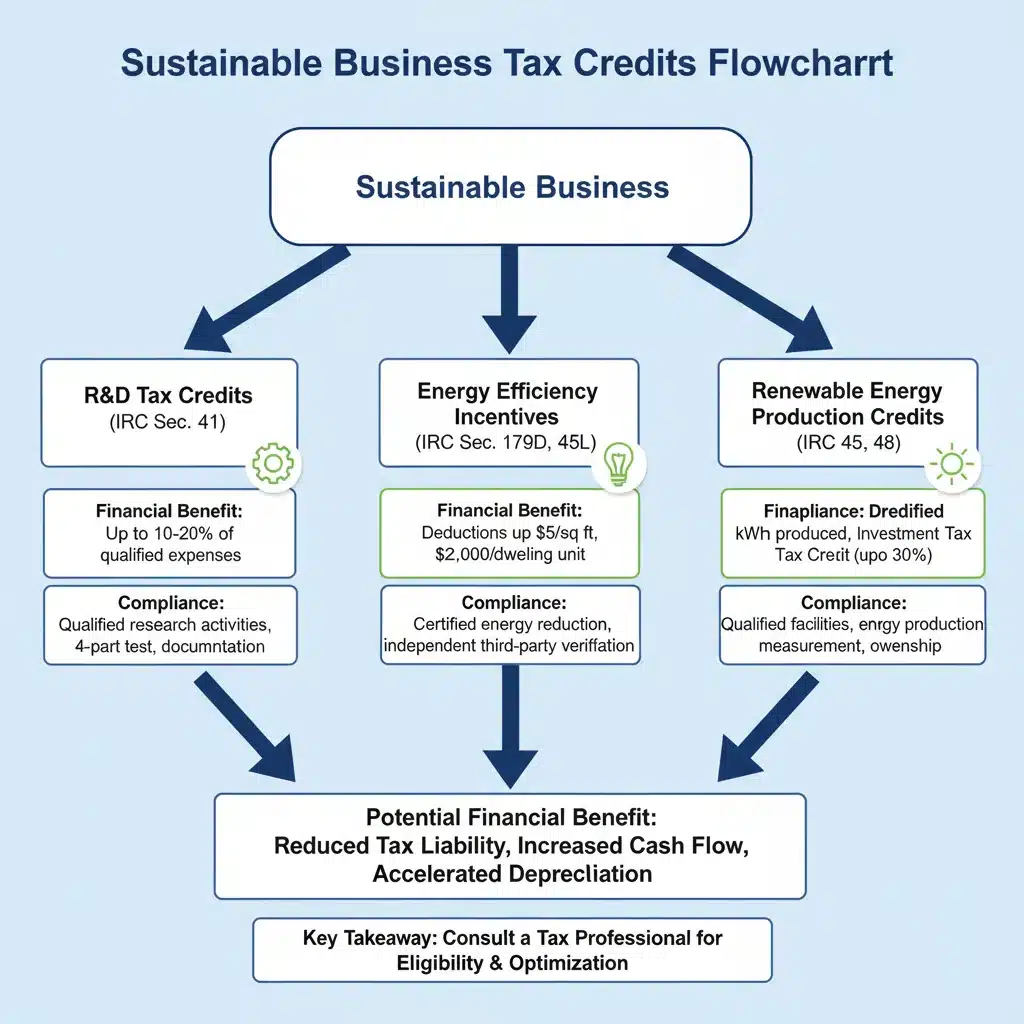
Tax credits are particularly valuable because they directly reduce your tax liability dollar-for-dollar, unlike deductions which only reduce your taxable income. For sustainable businesses, a variety of federal, state, and even local credits can significantly impact your financial health. Let’s explore some of the most prominent ones expected to be relevant in 2026.
Renewable Energy Tax Credits
Investments in renewable energy sources continue to be a cornerstone of sustainable business practices. The Investment Tax Credit (ITC) for solar, wind, geothermal, and other renewable energy projects is a primary example. Businesses installing qualified renewable energy property can claim a percentage of the cost as a credit. It’s crucial to understand the specific thresholds and requirements for these credits, as they can vary based on project size, commencement date, and domestic content rules.
For example, installing commercial solar panels might qualify for a significant ITC, reducing the upfront cost and accelerating the return on investment. Furthermore, some credits may offer bonus adders for projects located in energy communities or those that meet certain domestic content requirements, further enhancing their value.
Energy Efficiency Tax Credits
Beyond generating your own renewable energy, improving the energy efficiency of your operations can also lead to substantial tax savings. Credits for energy-efficient commercial buildings (often referred to as the 179D deduction, though it functions like a credit by reducing basis for depreciation) provide incentives for properties that achieve significant energy savings compared to a baseline. This includes upgrades to HVAC systems, lighting, and building envelopes.
Similarly, credits for energy-efficient equipment and appliances can benefit businesses that invest in more efficient machinery, vehicles, or IT infrastructure. Keeping detailed records of these investments and their energy-saving impacts is essential for claiming these credits effectively as part of your Sustainable Business Tax Planning.
Research and Development (R&D) Tax Credits for Green Innovation
Sustainable businesses often engage in innovative activities to develop new eco-friendly products, processes, or technologies. The R&D tax credit is a powerful incentive for these efforts. If your business is developing new ways to reduce waste, create sustainable materials, improve energy storage, or advance any other green technology, you might qualify for this credit.
Qualifying activities typically involve experimentation, testing, and process improvements aimed at achieving a technological advancement. Documentation is key here, including records of employee time, supplies used, and contractor expenses related to R&D. Even small businesses can benefit from the R&D tax credit, making it a critical component of strategic Sustainable Business Tax Planning.
Carbon Capture, Utilization, and Storage (CCUS) Credits
For businesses involved in industrial processes, significant tax credits are available for carbon capture, utilization, and storage (CCUS). These credits incentivize the capture of carbon dioxide emissions from industrial sources and their subsequent storage or beneficial use. As climate policies tighten, these credits are likely to become even more relevant for heavy industries seeking to reduce their environmental footprint.
Strategic Deductions for Sustainable Business Operations
While tax credits reduce your tax bill directly, deductions reduce your taxable income, thereby lowering the amount of tax you owe. Sustainable businesses have unique opportunities to claim various deductions related to their eco-friendly operations.
Depreciation for Sustainable Assets
Investments in sustainable assets, such as renewable energy equipment, electric vehicles, or energy-efficient machinery, can often be depreciated over their useful life. Accelerated depreciation methods, such as bonus depreciation or Section 179 expensing, allow businesses to deduct a larger portion of the asset’s cost in the year it’s placed in service, providing an immediate tax benefit. This is a powerful tool in Sustainable Business Tax Planning to manage cash flow.
Business Expenses Related to Sustainability Initiatives
Many expenses incurred in the pursuit of sustainability are ordinary and necessary business expenses and are thus deductible. This can include:
- Costs associated with obtaining sustainability certifications (e.g., LEED, B Corp).
- Expenses for environmental impact assessments or audits.
- Costs of implementing waste reduction or recycling programs.
- Employee training related to sustainable practices.
- Marketing and advertising expenses highlighting your sustainable brand.
Maintaining meticulous records for all these expenses is crucial to ensure they are properly documented and deductible.
Charitable Contributions to Environmental Causes
Many sustainable businesses align with environmental non-profits. Charitable contributions to qualified environmental organizations can be tax-deductible, providing a way to support your mission while also reducing your tax burden. Both cash contributions and donations of property can qualify, subject to certain limits.
Interest Expense for Green Loans
If your sustainable business finances its green initiatives through loans, the interest paid on these loans is generally deductible. This includes loans for renewable energy projects, energy-efficient upgrades, or other environmentally beneficial investments. The deductibility of interest expense can make financing sustainable projects more attractive.
Navigating State and Local Incentives
While federal incentives are significant, many states and local municipalities offer their own robust programs to encourage sustainable business practices. These can include additional tax credits, grants, loans, and property tax abatements.
State-Specific Renewable Energy Incentives
Many states offer additional incentives for renewable energy adoption. These might include state-level ITCs, property tax exemptions for solar or wind installations, or favorable net metering policies that can reduce energy costs. Researching the specific programs available in your state and locality is a critical step in comprehensive Sustainable Business Tax Planning.
Green Building Incentives
Some cities and counties offer incentives for constructing or renovating buildings to meet high environmental standards (e.g., LEED certification). These can include expedited permitting, fee reductions, or property tax incentives. Understanding these local nuances can significantly impact the financial viability of sustainable construction projects.
Pollution Control and Waste Reduction Incentives
Certain states and localities provide incentives for businesses that invest in pollution control equipment or implement advanced waste reduction and recycling programs. These can take the form of tax credits, grants, or sales tax exemptions for qualifying equipment. Such incentives directly support the core mission of many sustainable businesses.
Best Practices for Effective Sustainable Business Tax Planning
To fully capitalize on the opportunities available, sustainable businesses need a robust and proactive tax planning strategy. Here are some best practices:
1. Start Early and Plan Proactively
Tax planning should not be an afterthought. Begin your Sustainable Business Tax Planning early in the fiscal year, ideally even before it begins. This allows you to make strategic investments and operational changes that maximize your tax benefits.
2. Maintain Meticulous Records
Documentation is paramount for claiming any tax credit or deduction. Keep detailed records of all investments, expenses, and activities related to your sustainable initiatives. This includes invoices, contracts, energy audits, project timelines, and employee hours for R&D. The more thorough your records, the smoother the audit process will be, should it occur.
3. Stay Informed on Legislative Changes
Tax laws, especially those related to sustainability, can change frequently. Regularly monitor legislative developments at federal, state, and local levels. Subscribing to industry newsletters, attending webinars, and consulting with tax professionals can help you stay current.
4. Conduct Regular Tax Reviews and Forecasts
Periodically review your financial performance and projected tax liability throughout the year. This allows you to adjust your strategies, identify potential missed opportunities, and avoid surprises at tax time. Financial forecasting tools can be invaluable for this.
5. Engage with Experienced Tax Professionals
The complexities of sustainable business tax law often require specialized expertise. Partnering with a tax advisor experienced in green business and environmental incentives can be invaluable. They can help you identify all applicable credits and deductions, ensure compliance, and optimize your overall Sustainable Business Tax Planning strategy.
6. Integrate Tax Planning with Business Strategy
Don’t view tax planning as a separate function. Instead, integrate it into your core business strategy. When making decisions about new investments, product development, or operational changes, consider the potential tax implications and how they align with your sustainability goals.
Emerging Trends in Sustainable Business Tax Planning for 2026 and Beyond
The landscape of sustainable finance and taxation is continuously evolving. Businesses engaged in Sustainable Business Tax Planning should be aware of several emerging trends:
Increased Focus on ESG Reporting and Disclosure
Environmental, Social, and Governance (ESG) reporting is becoming increasingly important, not just for investors but also for regulatory bodies. While not directly tax-related, robust ESG reporting can indirectly support tax claims by demonstrating commitment to sustainability, which underpins many incentives. It also builds credibility and trust with stakeholders.
Carbon Pricing Mechanisms
While not universally adopted, carbon pricing mechanisms (like carbon taxes or cap-and-trade systems) are gaining traction globally. Businesses should monitor these developments, as they can significantly impact operational costs and create new incentives for carbon reduction. Understanding these mechanisms is crucial for long-term Sustainable Business Tax Planning.
Supply Chain Sustainability Incentives
There’s a growing recognition that sustainability extends beyond a company’s direct operations to its entire supply chain. Future tax incentives may increasingly focus on encouraging businesses to work with sustainable suppliers and to implement sustainable practices throughout their value chain. This could involve credits for supply chain transparency, circular economy initiatives, or ethical sourcing.
Digitalization of Tax Compliance
As tax authorities increasingly adopt digital tools, businesses will need to ensure their record-keeping and reporting systems are robust and compatible with digital compliance requirements. This can streamline the process of claiming credits and deductions, but also requires a higher degree of data accuracy and accessibility.

Common Pitfalls to Avoid in Sustainable Business Tax Planning
Even with the best intentions, businesses can fall into common traps that undermine their tax planning efforts. Being aware of these can help you steer clear:
1. Lack of Documentation
As repeatedly emphasized, insufficient documentation is the single biggest reason why legitimate tax claims are denied. Ensure every claim is backed by thorough, organized records.
2. Misinterpreting Eligibility Requirements
Tax credits and deductions often come with specific eligibility criteria. A common mistake is assuming eligibility without carefully reviewing the fine print. For example, a renewable energy credit might require specific energy efficiency standards to be met, or an R&D credit might have strict definitions for what constitutes ‘qualified research activities’.
3. Failing to Account for Carryforwards
Some tax credits and deductions cannot be fully utilized in the year they are generated due to income limitations. Many, however, can be carried forward to future tax years. Failing to track and utilize these carryforwards means leaving money on the table.
4. Overlooking State and Local Incentives
Focusing solely on federal incentives can lead to missed opportunities at the state and local levels. These smaller, often lesser-known programs can collectively add up to significant savings.
5. Delaying Professional Consultation
Waiting until tax season to consult with a tax professional can severely limit your options. Proactive consultation allows for strategic planning and implementation of tax-saving measures throughout the year.
Conclusion: A Greener, More Profitable Future Through Smart Tax Planning
For sustainable businesses, the path to a greener future is intrinsically linked with smart financial management. Effective Sustainable Business Tax Planning for 2026 and beyond is not just about compliance; it’s about strategically leveraging available incentives to fuel growth, innovation, and positive environmental impact.
By understanding the evolving tax landscape, proactively identifying and claiming relevant credits and deductions, and adhering to best practices in record-keeping and professional consultation, your sustainable enterprise can not only minimize its tax burden but also free up valuable capital to reinvest in its core mission. Embrace the opportunities that strategic tax planning offers, and position your business for a future that is both environmentally responsible and financially robust.
The commitment to sustainability requires foresight and diligence, and nowhere is this more evident than in the realm of taxation. By making Sustainable Business Tax Planning a priority, you are not just optimizing your finances; you are reinforcing your dedication to a better world, one tax-efficient decision at a time.