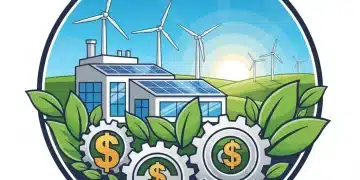
Federal Tax Incentives for Eco-Friendly Manufacturing Expanded: What US Businesses Need to Know
The US government is expanding federal tax incentives for eco-friendly manufacturing starting October 2026. This comprehensive guide details the new policies, benefits for businesses, and how to prepare for these significant changes.

Digitalization’s Impact on US Fashion Education 2026: Industry 4.0 & Sustainability
The U.S. fashion education landscape is rapidly evolving. Discover how digitalization, Industry 4.0, and sustainable practices are reshaping curricula to equip the next generation of fashion professionals for a tech-driven and eco-conscious industry by 2026.
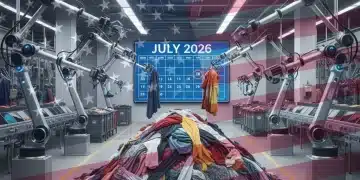
US Textile Recycling Laws 2026: Manufacturer Compliance Guide
Impending US textile recycling legislation by July 2026 will transform manufacturing. This guide details key policy changes, compliance strategies, and the shift towards a circular textile economy, ensuring manufacturers are prepared.

Major US Retailers: Supply Chain Transparency 2026 Adaptations
Dive into the cutting-edge strategies of five leading US retailers as they navigate the complex landscape of supply chain transparency in early 2026. This article highlights their innovative approaches to meeting consumer and regulatory demands for ethical and sustainable practices.

EPA Microplastic Regulations 2026: What US Textile Factories Need to Know Now
New EPA regulations on microplastic emissions from US textile factories are set to go live in October 2026. This post details the upcoming changes, their impact on the industry, and crucial steps for compliance.

Farm to Fabric: 2026 Organic Cotton Supply Chain Explained
Delve into the evolving 2026 organic cotton supply chain. This post covers sustainable sourcing, transparent production, and the critical role of education in fostering a more ethical and environmentally friendly textile industry.

Digital Tools for Sustainable Eco-Fashion: 2026 Educational Overview
Discover the crucial digital tools shaping sustainable eco-fashion brand management in 2026. From supply chain transparency to circular design, this article provides an educational overview for a greener fashion industry.

US Fast Fashion: 3 Key Disruptions by 2026 Due to Sustainability
The US fast fashion landscape is on the brink of significant transformation. This post delves into three critical disruptions expected by late 2026, fueled by an escalating demand for sustainable practices and evolving regulatory environments.
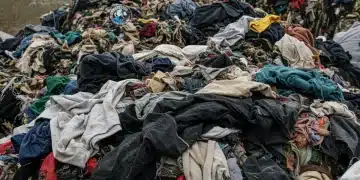
EPA Textile Waste Regulations 2026: What You Need to Know
The Environmental Protection Agency (EPA) is rolling out new regulations for textile waste management, effective March 2026, aiming to drastically reduce environmental impact and foster a more sustainable textile industry in the United States.